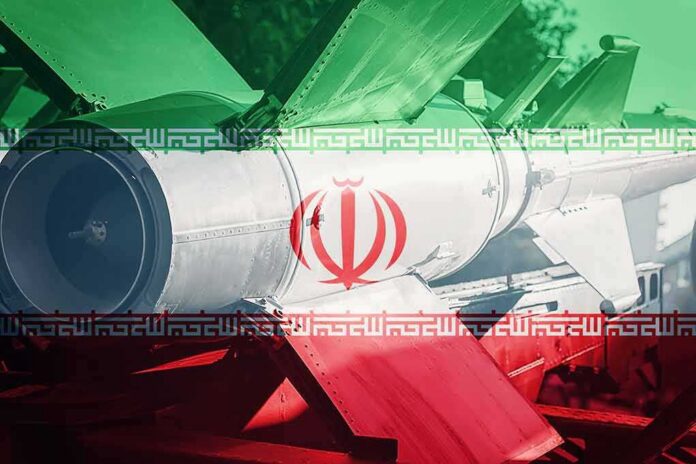
President Trump’s team says U.S. strikes “degraded” Iran’s nuclear program, while multiple intel leaks say the damage likely delayed, not destroyed, Tehran’s enrichment push.
Story Snapshot
- Trump lists the Iran war and damaged nuclear sites among top achievements, claiming lasting impact.
- Early U.S. intelligence assessments said the strikes set Iran’s program back only months, not forever.
- Fact-check reviews say facilities were damaged and entrances sealed, but core capability was not erased.
- The Central Intelligence Agency publicly described “severe” damage, underscoring mixed official signals.
What Trump Claimed About Iran And Why It Matters
Media reports say President Trump listed the Iran war and nuclear strikes among his top “term three” achievements, arguing the United States had “obliterated” Iran’s enrichment capacity and ensured Iran would never get a nuclear weapon. This claim speaks to core concerns for conservatives: deterring a hostile regime, stopping a nuclear breakout, and showing American strength. Supporters see a clear message to enemies. Critics ask if the results match the rhetoric.
The administration also signaled success in official venues. U.S. statements used the word “degraded” to describe Iran’s nuclear program after the strikes, framing a real dent in Tehran’s capacity. That language suggests targeted results, not a total wipeout. The policy aim was to halt enrichment activity and force Iran to recalculate. The message at home focused on deterrence and victory. The message abroad warned Iran that rebuilding would be costly and risky.
What Early Intelligence Said About Actual Damage
Reuters reported that a preliminary U.S. intelligence assessment found Iran’s nuclear program was set back by only months, and that Iran could restart activity within a similar time frame. Associated Press echoed that finding, saying the program was not “completely and fully obliterated”. These assessments focused on survivable sites, buried infrastructure, and stockpiles. They suggest the strikes bought time, pressured Tehran, and complicated any sprint to a weapon, but did not erase know-how.
FactCheck.org summarized early analysis from the Defense Intelligence Agency indicating the bombing sealed entrances at two facilities but did not destroy underground buildings. That review said the broader program was damaged and set back, but not eliminated. This fits a pattern seen for years: hard targets under mountains are tough to crush. Air power can shatter surface access and equipment. It can scatter personnel and plans. It rarely eliminates every core piece of a hardened nuclear enterprise in one wave.
Conflicting Public Signals From U.S. Officials
The Central Intelligence Agency, through public remarks carried in live coverage, said intelligence indicated Iran’s program had been “severely damaged” by the targeted strikes. That statement backed the idea of major harm, if not total destruction. National-level messages often aim to deter enemies and reassure allies. They tend to highlight the strongest effects. At the same time, field assessments focus on timelines, repair options, and the status of buried assets that are hard to confirm quickly.
NPR noted a broad consensus that the strikes caused major damage, but said lack of full inspector access made precision hard. That uncertainty explains why numbers vary. Some analysts point to destroyed equipment. Others point to surviving stockpiles and protected centrifuges. This split feeds a political fight over words like “obliterated” versus “delayed.” The practical question for U.S. interests is time: how long did the operation push Iran away from a usable bomb pathway, and at what cost and risk.
What Conservatives Should Watch Next
Conservatives should demand clear metrics. How many months or years did the strikes buy? Reuters and Associated Press cited “months” in early assessments. If follow-on pressure, sanctions, and covert work stretch that to years, the deterrent picture improves. If not, Congress should ask why deeper options were not used. Americans deserve transparency on cost, readiness, and energy impacts. Voters also need clarity on rules of engagement to avoid endless conflict or mission creep.
"Trump Lists Iran War Among His Top ‘Achievements’ of ‘Term Three’": https://t.co/apjbes0oz6 #SmartNews
— MorteDeMocknbrd (@MorteDeMocknbrd) September 19, 2026
For family budgets and national power, time matters. A short delay may still keep Iran from racing for a bomb during tense talks. A longer delay would be a real strategic win that backs up the president’s claim. Either way, the strikes punished a hostile regime that threatens our troops, our allies, and shipping lanes. The task now is to lock in gains, close gaps at hardened sites, and prevent Tehran from using propaganda to outlast American resolve.
Sources:
apnews.com, reuters.com, abcnews.com, english.ahram.org.eg, pbs.org