

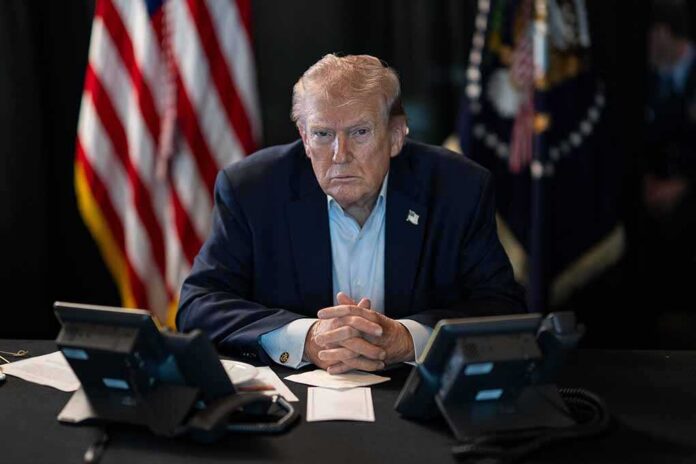
Russia freed American Stephen Hubbard the day after President Trump publicly asked Vladimir Putin to release him, capping years of detention with a swift turn of events.
Story Snapshot
- President Trump said he asked Putin to free Hubbard; Russia announced the release the next day.
- Special envoy Steve Witkoff met Putin in St. Petersburg and confirmed Hubbard was departing Russia.
- Russian state media said Putin announced the release; reports described no prisoner swap.
- The State Department had labeled Hubbard wrongfully detained before Trump’s intervention.
What Happened and When
On October 20, 2026, President Trump told reporters he had spoken with President Putin about Stephen Hubbard and asked for his release. On October 21, Russian outlets reported that Putin said Hubbard had been freed and was preparing to leave the country. U.S. special envoy Steve Witkoff, in Russia for talks, met Putin in St. Petersburg and confirmed the release as Hubbard moved toward departure. The back-to-back timing linked Trump’s request, the meeting, and the outcome in quick order.
Reports described the move as a unilateral Russian decision rather than a prisoner exchange. No public report identified a traded detainee or a specific U.S. concession tied to the release. Russian state media framed the announcement as coming from Putin, and The New York Times reported Putin told Witkoff that Hubbard was at the airport. This sequence suggested a direct Kremlin decision delivered during the envoy’s visit, with rapid steps to send Hubbard home.
Who Hubbard Is and Why His Case Drew Focus
Stephen Hubbard is an American who had been held in Russia for years, drawing concern from U.S. officials and media coverage across prior administrations. The U.S. State Department had already labeled him wrongfully detained, which signals that Washington viewed his case as political rather than a standard criminal matter. That designation placed his file within a priority process and kept pressure on Moscow. Trump’s public appeal and Witkoff’s engagement added a high-level push on top of that standing status.
Witness accounts from the trip underscore the personal channel the White House used. Witkoff met Putin in St. Petersburg and later said Hubbard was on his way out of Russia. Coverage quoted Witkoff thanking Putin and crediting the Russian leader for enabling Hubbard’s return, reflecting a careful diplomatic tone during sensitive talks. News outlets differed on some biographical details like Hubbard’s exact age, but they aligned on the central outcome: he was released and leaving Russia.
How This Fits the Wider Pattern
This case followed a pattern often called hostage diplomacy, where governments hold foreigners to gain leverage abroad. Many recent U.S.–Russia cases have ended through high-level outreach and timed gestures that serve larger strategic aims. In that context, three facts stand firm here: Trump publicly pressed Putin, Witkoff engaged the Kremlin in person, and Russia freed Hubbard without a named swap. One brief caveat: public reports do not disclose any confidential terms that may have accompanied the release.
🚨🇺🇸🇷🇺 BREAKING: AMERICAN TEACHER FREED AFTER FOUR YEARS IN RUSSIAN CAPTIVITY!
Stephen Hubbard, 74, is finally heading home after spending more than four years in Russian detention.
The retired Michigan teacher was arrested in Ukraine in 2022 and sentenced to nearly seven years…
— XPRESS (@Xpress_24_7) October 21, 2026
For Americans across the political spectrum, the headline is simple: a U.S. citizen is coming home. For conservatives, the speed after direct outreach may look like proof that tough, personal diplomacy can move stubborn actors. For liberals, the wrongful-detention label and years of work show why steady pressure and alliances matter. For both, the larger concern remains: authoritarian states keep using human lives as bargaining chips. That reality tests U.S. principles and demands discipline, clarity, and resolve from Washington.
Sources:
facebook.com, abc7.com, edition.cnn.com, nytimes.com, bostonglobe.com, cnn.com, themoscowtimes.com, hawaiipublicradio.org, foxnews.com