
The Justice Department sued California to stop counting ballots from about 20,000 “likely” noncitizens until citizenship is verified, escalating a direct federal-state showdown over election integrity and trust.
Story Snapshot
- The Justice Department filed a federal complaint seeking to block counting of ballots tied to “likely” noncitizen registrations in California.
- Federal letters asked officials to segregate, not cancel, affected ballots within 48 hours and included a password-protected list.
- California’s top election officials said the evidence and methods were not provided and refused to act on unverified data matches.
- Past reporting shows states have mistakenly added noncitizens to rolls, but how many actually voted remains unclear.
What The Justice Department Alleges And Seeks In Court
The Justice Department filed suit on October 15, 2026, after a review backed by the Department of Homeland Security flagged more than 20,000 “likely” noncitizens registered in California. The complaint asks a federal court to prevent any ballots from those registrants from being counted until citizenship is confirmed. The government says it aims to protect lawful votes while officials verify status. The filing centers on mail ballots already sent out for the election.
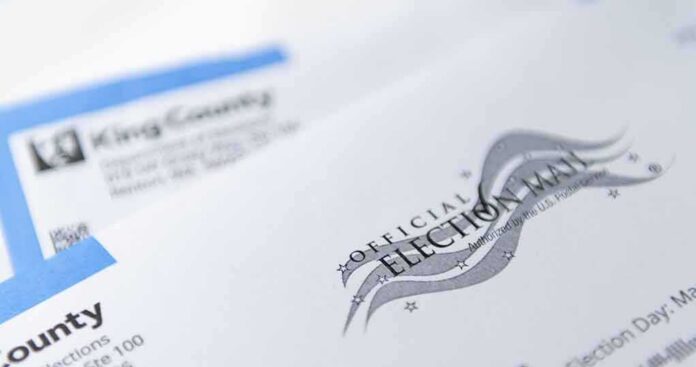
Two days before filing, an acting deputy attorney general sent letters to California’s secretary of state and Los Angeles County’s registrar. The letters asked officials to segregate, not cancel, ballots linked to the flagged names while citizenship checks took place. The letters included a password-protected thumb drive with the list. The request set a 48-hour deadline, which increased pressure during active ballot processing.
How California Officials Responded To The Federal Demand
California Secretary of State Shirley Weber said the state will not disenfranchise voters based on unsupported and likely inaccurate allegations. She said the list lacked detail and useful function for investigations. She also said state law already requires only citizens to register and that ineligible voters can be removed under existing rules. Her response framed the federal push as unverified and disruptive during an election period.
Los Angeles County Registrar Dean Logan confirmed receiving the letter and the thumb drive. He said his office could not withhold or refuse to count ballots based only on unverified claims. He said the Justice Department had not provided the underlying evidence, sources, or methods behind the list. He also said the list included voters from across California, not just Los Angeles County, which complicated local action.
What We Know, What We Don’t, And Why It Matters
Public records show the Justice Department alleges likely noncitizen registrations and seeks to pause counting those ballots pending checks. The records do not show that 20,000 noncitizens voted or that officials knowingly counted unlawful ballots. California officials dispute the usefulness and verification of the federal list. This creates a core gap: a high-stakes claim without public methods or record-level proof that outside observers can review within the short timeline.
🚨🇺🇸 DOJ THREATENS CA ELECTION OFFICIALS
Justice Dept warns officials who "knowingly tabulate" suspected-noncitizen ballots risk becoming "aiders and abettors to a federal crime."
**Counting ballots is now a criminal threat.**
Source: APhttps://t.co/op2u09mJKR— Tosh Petrovich (@inspiring_tosh) October 17, 2026
Past reporting shows this problem can cut both ways. States have at times added noncitizens to rolls by mistake due to software and clerical errors, including incidents in California. Yet reporters also found it is unclear how many of those registrants actually cast ballots. This history supports calls from both sides for precise audits that separate registration errors from actual unlawful voting and that document how many ballots, if any, were counted.
What Comes Next: Accountability Without Chaos
Courts can require a targeted review that protects legal voters and prevents wrongful counting. A practical path would separate four steps: registration, ballot mailing, ballot return, and tabulation. Officials could verify each flagged record against naturalization and citizenship files and then report how many ballots were mailed, returned, and actually counted. Clear numbers would address public concern, reduce rumors, and hold any bad actors to account if wrongdoing is proven.
Why This Touches A Nerve On Both Left And Right
Many Americans believe the system serves insiders first. When Washington delivers a password-protected list and a 48-hour demand, people see pressure, not transparency. When a state rejects that demand without publishing its own audit plan, people see stonewalling. The fix is sunlight and hard numbers. Publish the methods, protect privacy, and let a court-supervised process show who was eligible, whose ballot was set aside, and whether any unlawful vote was actually counted.
Sources:
upi.com, yahoo.com, politico.com, reuters.com, cnbc.com, apnews.com, latimes.com