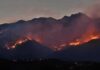

A live-fire training exercise at Canada’s CFB Wainwright turned deadly when a fast-moving fire killed four soldiers and injured dozens more.
Story Snapshot
- Officials confirmed four Canadian Armed Forces members died and 39 were injured during training in Alberta.
- The fire started in the training area around 4:00 p.m. local time on October 17, 2026.
- Troops from 1 Canadian Mechanized Brigade Group were conducting live-fire as part of Exercise APOLLO SHOOTER.
- Investigators have not yet determined what sparked the fire; high winds drove rapid spread.
What Officials Confirmed About the Casualties
The Department of National Defence said a fire began inside the Canadian Forces Base Wainwright training area at about 4:00 p.m. local time on October 17. The Canadian Armed Forces later confirmed the incident caused deaths and injuries. Officials identified four fallen members by name and unit and reported 39 injured service members. Authorities shared that information as part of a formal update as facts became clear after the initial alert to the public.
Defence statements named the soldiers who died: Sergeant Morgan Wong, Private Shaun Farrell, Private Aidan Goulding, and Private Hayden Lykkemark. The update did not include a breakdown of injury severity or treatment status. Media reports described multiple hospitalizations, but the official release focused on the confirmed total number injured. Leaders expressed condolences and support for families while the military activated standard processes for casualty care and notification.
Where and How the Training Was Underway
The fire struck during live-fire training by elements of 1 Canadian Mechanized Brigade Group’s 3rd Battalion, Princess Patricia’s Canadian Light Infantry. The activity was part of Exercise APOLLO SHOOTER at CFB Wainwright in Alberta. The base is a major training site where infantry, artillery, and air support often train together in open terrain. That mix of people, munitions, vehicles, and grassland can raise risks when weather shifts or sparks occur.
Officials said the fire grew fast in high winds and overtook an administrative area tied to the training. Commanders noted that several exercises were running at the time. That made it harder to manage movement and safety as flames advanced. Emergency crews responded and moved the injured to hospitals. The base and national leadership framed the event as a grave loss for the forces and the country.
What Is Known—and Not Yet Known—About the Cause
The military said the cause of the initial fire remained under investigation. Leaders declined to tie the blaze to a single spark, munition, or infrastructure failure at this early stage. Officials did say high winds fueled the spread. They also said there were no indications of terrorism. Investigators will review training activities, weather, and safety controls to map the ignition point and the chain of events that followed.
Early updates sometimes carry gaps. The first release confirmed deaths and injuries but did not share numbers until facts were verified. Later, officials reported four killed and 39 injured. That sequence follows a common pattern in military accidents: state what happened, then add detail as checks finish. More findings are expected when technical teams complete their work and publish formal reports with timelines and safety lessons.
Sources:
townhall.com, canada.ca, cbc.ca