

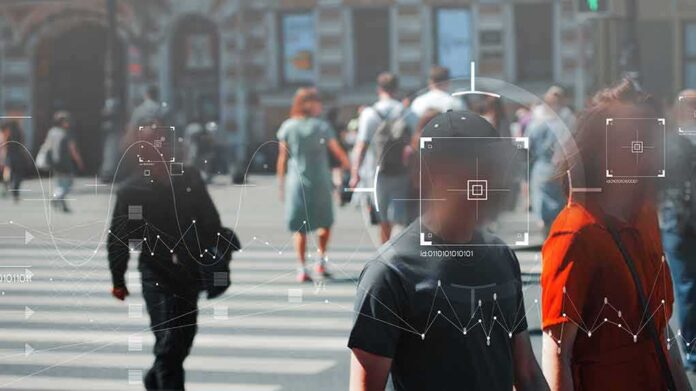
At a tense Queens town hall, Representative Alexandria Ocasio-Cortez warned that immigration agents now use phone-based facial recognition on anyone they stop, raising fears that street checks could become everyday surveillance.
Story Snapshot
- AOC urged New Yorkers to document immigration operations and announced “legal observer” trainings.
- Reports say Immigration and Customs Enforcement uses a mobile app to scan faces and fingerprints during field stops.
- The Department of Homeland Security says the tool is lawful, targeted, and governed by strict privacy limits.
- Civil-liberties groups argue the tech can sweep in citizens and bystanders, not just noncitizens.
What AOC Told Voters In Queens
Representative Alexandria Ocasio-Cortez spoke in Astoria, Queens, about immigration enforcement and public monitoring of agents. She said people could attend “legal observer” trainings to learn how to record operations without breaking the law. Local coverage quoted her guidance to film, take notes, and avoid obstructing officers. Her message followed a string of reports showing that immigration teams now rely on facial recognition, phone apps, and shared databases during street encounters. Supporters cheered, and critics blasted the plan as provocative.
Reports from major outlets say Immigration and Customs Enforcement has begun using a smartphone tool, built by NEC and known in coverage as Mobile Fortify, to compare live face or fingerprint scans with government databases. The Washington Post said agents used the app on the street to check identity and immigration status within minutes. The Department of Homeland Security (DHS) defended the system as legal, narrow, and subject to “formal privacy oversight,” with strict limits on access, use, and retention.
How The Technology Works — And Why It Divides Voters
According to reporting, the app can scan a person’s face in the field and try to match it to records that include immigration status and biographical data. DHS says the system uses a high matching threshold and queries limited Customs and Border Protection datasets, not social media or open-source sites. Civil-liberties groups argue these tools can still capture citizens and bystanders during broad checks, and they have urged a pause or a clear public accounting of errors, storage, and audits.
Advocates point to a larger trend. Phone-based identity checks, facial recognition, and location-tracking now sit inside everyday enforcement. The Brookings Institution has documented how digital tools support alternatives to detention and other operations, including photo check-ins through apps and location verification. The promise is speed and fewer mistakes. The risk, critics say, is mission creep, faulty matches, and quiet growth of files on people who are not targets. Both sides claim to protect safety and rights, yet the record remains mixed.
The Government’s Defense And The Push For Transparency
In statements repeated across outlets, DHS says the face-matching tool is a lawful verification aid used during enforcement encounters, not a dragnet. The agency says courts have not blocked it and that strict privacy rules govern its use nationwide. DHS also says the app does not scrape public platforms. It stresses limits on data retention and access. These claims aim to answer fears that agents can scan anyone, anywhere, and store their data for years without review.
Lawmakers and rights groups continue to press for sunlight. A coalition has demanded detailed privacy analyses and technical audits tied to field use. The Electronic Frontier Foundation urged a halt, warning of risks to migrants and citizens alike when face scans happen during street stops. A House bill from Representative Chellie Pingree would freeze new funding for surveillance tools until immigration agencies disclose how facial recognition and databases work in practice, who is targeted, and how long data is kept. These efforts reflect a broad concern: tools built to find a few can end up tracking the many.
Why This Fight Resonates Across The Political Spectrum
Conservatives who fear crime and border chaos often support tough tools but dislike secret government systems that can err without recourse. Liberals who push for civil rights see the same tools as a path to biased policing and mass data trails. Both sides worry about elites building systems that regular people cannot see or challenge. When government says, “trust us,” and watchdogs say, “prove it,” the gap grows. Clear rules, public reporting, and independent testing could shrink that gap.
AOC: “ICE IS COMING AFTER YOU, REGARDLESS OF YOUR STATUS.”
AOC warns that ICE has become part of a powerful surveillance apparatus built around AI and facial recognition, reigniting the fight over immigration enforcement, privacy and government surveillance. pic.twitter.com/er0H6JZhRP
— Uncolonized minds (@uncolonizedm) September 28, 2026
For readers, three questions matter. First, when can agents scan your face during a stop, and can you refuse? Second, what happens to your photo and data after a scan? Third, who checks the system for errors, bias, and abuse? The answers should not live only in agency press lines. They belong in public rules debated in full view. Until then, expect more town halls like this one, more cameras on both sides, and more anger at a system many feel is not serving them.
Sources:
facebook.com, nationaltoday.com, news.meaww.com, washingtonpost.com, pressley.house.gov, thenation.com, thegatewaypundit.com, nypost.com