
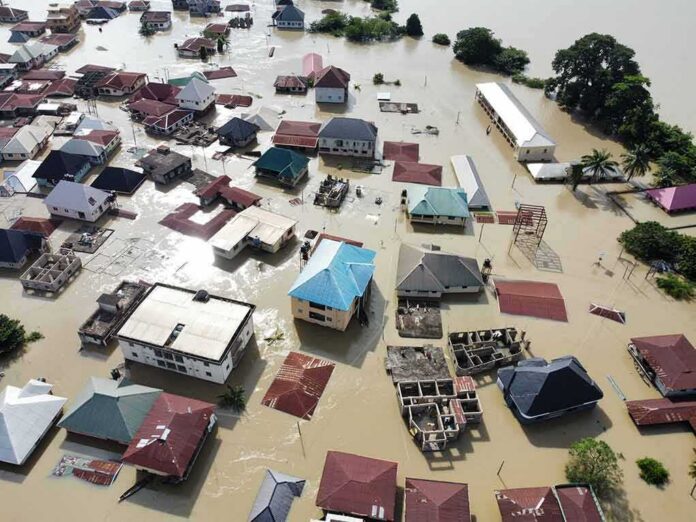
Verified video shows a five-story building in southern China crumble into a river within seconds as flood-weakened ground collapses beneath it.
Story Snapshot
- Reuters verified footage captures a building collapsing into floodwaters after soil failure.
- Heavy rains across China have triggered landslides, house failures, and mass evacuations.
- Engineers link such failures to saturated soil that undermines foundations during floods.
- Officials warn more flooding is possible as storms linger over multiple provinces.
What The Video Shows And Why It Matters
Reuters reported that a five-story building under construction in southern China fell into a nearby river in seconds. The ground gave way during active flooding, and the structure slid and buckled as the riverbank failed. The scene is stark and simple: water rose, soil softened, and support vanished. This is not only about one building. It is a warning about what happens when extreme rain meets weak ground near rivers and slopes during peak flood season.
Across China, weeks of intense rain have raised rivers and triggered bursts of runoff. Reuters noted several structures sliding down hillsides in the Guangxi region after foundations were compromised by soaked soil. Other reports counted deadly collapses and power cuts as storms swept southern and central provinces, forcing school closures and disrupting transport. These events form a clear pattern: heavy downpours push already vulnerable sites past a tipping point, turning cracks and soft spots into failures.
How Saturated Soil Undermines Buildings
Engineers describe a chain reaction during floods. Rain saturates the ground. Water fills tiny spaces in the soil. Pressure builds and weakens the soil’s grip. The ground loses strength, slips, or settles unevenly. Buildings near riverbanks, slopes, or fill soil can then lose support, even if their walls and beams remain sound. Research on house collapses highlights adverse ground conditions and added loads as key risks that worsen with heavy rain. This is the likely pathway visible in the Reuters video.
When riverbanks fail, loss of lateral support can be sudden. A building may first tilt, then shear, and finally drop as soil slumps into fast water. Debris can choke channels and redirect flow, raising flood levels downstream. Studies of flood behavior show that collapsed structures can both block and speed water in different spots, worsening risks for neighbors during the same event. That means one failure can trigger new hazards as the storm continues.
Wider Flood Pressures And Official Warnings
Storm systems have lingered over wide areas of China this season. Forecasters warned that a weakened typhoon would push inland and raise the chance of prolonged rain over southern and central provinces. Reuters also reported alerts across northern and western regions during the annual “Plum Rains,” with flash floods and landslides threatening roads, homes, and hillsides. These warnings match what the country is now seeing on the ground: repeated slope failures and buildings giving way in soaked zones.
An eyewitness video captured the moment a three-story building collapsed into raging flood waters in southern China’s Fujian province on Thursday (September 3), as the region braced itself for further torrential rain due to Typhoon Saudel.
Eyewitness video shows a building… pic.twitter.com/uMBVjvx57Q
— GDN Online (@GDNonline) September 4, 2026
Emergency actions show the scale of risk. State outlets and international reports describe evacuations of tens of thousands after roads collapsed and bridges were damaged in flood-hit provinces. In some areas, landslides buried homes, while responders searched rubble and cleared blocked routes. The common thread is exposure. Communities near steep terrain, saturated embankments, and river edges face the fastest-moving dangers when storms stack up day after day.
What Authorities And Builders Can Do Next
Local governments can focus on three immediate steps. First, map high-risk riverbanks and slopes where soils are saturated and retreat water-facing edges until stability returns. Second, suspend work and occupancy in buildings with signs of settlement, tilting, or widening cracks. Third, clear debris from channels to keep water moving and reduce sudden surges if more structures fail. These moves align with flood-season best practices and can cut knock-on damage during active storms.
Longer term, builders and planners can curb repeat failures by improving site checks and drainage. That includes testing soil strength near rivers, using deeper piles where needed, and adding drains to lower pore-water pressure. Research into collapse causes points to design choices and ground conditions that often combine with heavy rain to produce disaster. Better codes and routine enforcement help, but they only work when inspections are real and warnings lead to action before the next storm hits.
Why This Resonates Beyond China
Flood risk is rising worldwide as heavier rains test old plans and new construction. The Chinese footage is gripping, but the lesson travels. Communities everywhere build near water for access and growth. When politics delays upkeep, or when oversight is weak, people pay the price. Clear rules, honest inspections, and swift fixes are basic duties of any government. When those duties slip, nature exposes the gap in seconds, just as the riverbank did in this collapse.
Sources:
youtube.com, theprint.in, wncy.com, usnews.com, reuters.com, theguardian.com