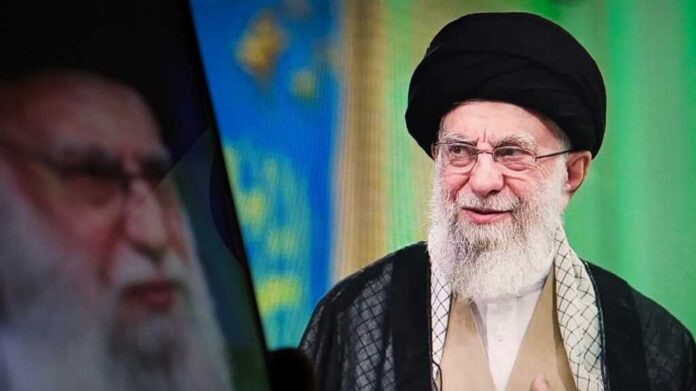
Iran’s Supreme Leader Ayatollah Ali Khamenei reportedly fled to a fortified underground bunker in Tehran as President Trump deployed a massive naval flotilla toward the Islamic Republic. This alleged retreat, which occurred amid deadly domestic protests and fears of imminent U.S. military strikes, exposed the regime’s deep vulnerability. Days later, Khamenei reemerged in a carefully staged public appearance, seemingly desperate to project strength against the backdrop of internal unrest and American military pressure. The crisis highlights dual threats facing the theocracy—an assertive U.S. deterrence strategy and nationwide popular resistance.
Story Highlights
- Khamenei allegedly retreated to a secret bunker following U.S. naval deployments and deadly domestic protests that have claimed over 5,000 Iranian lives.
- Trump’s carrier strike group deployment prompted Iranian threats of “all-out war” and “jihad” against any American military action.
- The 86-year-old Supreme Leader’s son Masoud assumed day-to-day leadership responsibilities during the alleged bunker period, raising succession concerns.
- Khamenei’s carefully staged public appearance at the Khomeini Mausoleum on January 31 aimed to counter reports of weakness ahead of the revolution’s 47th anniversary.
Trump’s Naval Pressure Forces Iran Underground
President Trump ordered the USS Abraham Lincoln carrier strike group toward Iranian waters on January 29, 2026, declaring a “massive fleet” en route while expressing hope it would remain unused. The deployment followed opposition media reports that Khamenei had relocated to a fortified underground bunker in Tehran on January 24, responding to fears of imminent U.S. military strikes. Iranian Army Chief Amir Hatami immediately placed forces on high alert against potential American and Israeli attacks, while regime officials warned any strike would trigger “all-out war” and called for “jihad” to defend the Supreme Leader.
Ayatollah reemerges from secret bunker to celebrate anniversary of Iranian Revolution — while deadly explosions wallop Iran https://t.co/oFR9YsjDAt pic.twitter.com/lkOMs4nhxC
— New York Post (@nypost) January 31, 2026
Deadly Protests and Internet Blackouts Expose Regime Vulnerability
The bunker reports emerged amid nationwide protests that have killed over 5,137 Iranians according to the Human Rights Activists News Agency (HRANA). The regime responded with cruel crackdowns, internet blackouts, and intensified security measures as Khamenei’s third son Masoud stepped in to coordinate daily operations with government and security forces. This power delegation represents a significant shift, raising questions about the 86-year-old Supreme Leader’s health and the regime’s ability to maintain control. Trump administration sanctions compounded the pressure, worsening inflation and economic hardship for ordinary Iranians while the theocracy diverted resources to suppress dissent and prepare defenses against potential American bunker-buster weapons.
Staged Appearance Fails to Convince Skeptics
Khamenei’s official social media account released a carefully timed photo on January 31 showing him visiting the Khomeini Mausoleum, directly contradicting Iran International’s bunker reports just days before the February 11 anniversary of the 1979 Islamic Revolution. Opposition media outlets characterized the move as image management rather than genuine engagement, noting the lack of independent verification regarding his actual location during the prior week. Defense analysts suggest the regime faces dual threats—external pressure from Trump’s military posture and internal collapse from popular unrest—making the fortified bunker a logical precaution despite official denials.
Constitutional Concerns and American National Security
This crisis underscores the wisdom of President Trump’s peace-through-strength approach, demonstrating how credible military deterrence protects American interests without firing a shot. The regime’s vulnerability—evidenced by Khamenei’s alleged bunker retreat and power delegation to his son—validates Trump’s rejection of the previous administration’s appeasement policies that enriched Tehran’s terrorist proxies and nuclear ambitions. For Americans concerned about national security and fiscal responsibility, Trump’s naval deployment strategy pressures a hostile regime without costly ground interventions, while new sanctions target the theocracy’s resources rather than reward bad behavior. The Iranian people’s brave resistance, met with over 5,000 deaths, deserves American support through maximum pressure that empowers their fight for freedom against tyrannical clerics who threaten regional stability and American lives.
Watch the report: Khamenei Hides in Bunker as US Carrier Arrives, Iran Regime Faces Biggest Crisis
Sources:
Iran’s Supreme Leader Hides in Underground Bunker
Iran’s supreme leader retreats underground, warned of likelihood of US airstrikes: report
Iran’s Khamenei moved to fortified Tehran bunker amid US strike fears