
A Florida election-integrity report claims 1,827 people removed from voter rolls as noncitizens cast 7,035 ballots since 2020, but several county election officials say they cannot confirm the numbers.
Story Snapshot
- A Joint Task Force report says volunteers reviewed records in all 67 Florida counties and found 5,612 noncitizens removed from voter rolls.
- Of those, 1,827 people are tied to 7,035 ballots cast between 2020 and mid-2026, according to the report.
- Palm Beach and Baker county officials say they cannot verify the findings without seeing the underlying data.
- National studies of past noncitizen-voting claims show confirmed cases are extremely rare, often a fraction of one percent.
Report Claims Thousands of Potentially Illegal Ballots
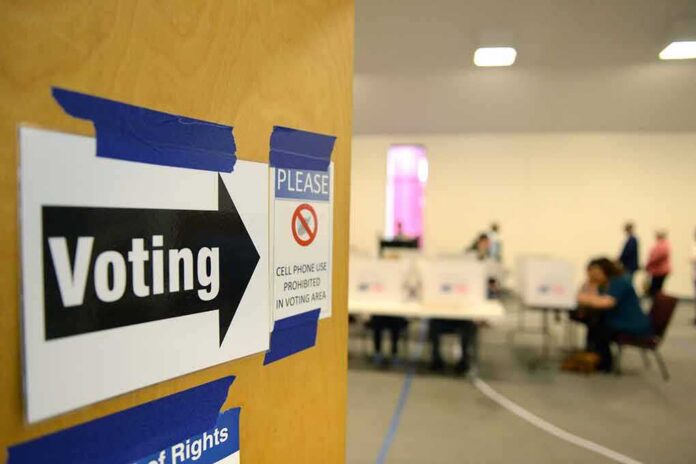
The Daily Signal reported on October 14, 2026, that volunteers with an election-integrity coalition pulled voter registration and voting records from every Florida county. They say 5,612 people were removed from the rolls after being flagged as noncitizens. Of those, the report claims 1,827 people cast a combined 7,035 ballots, some of them in races decided by razor-thin margins.
How the Group Says It Found the Numbers
The analysis reportedly drew on more than anecdotes. Volunteers compared Florida election-official records with Department of Highway Safety and Motor Vehicles files and records from the state’s Office of Election Crimes and Security. A related write-up claims the ballots were enough to have swung outcomes in at least one congressional race and a school-board contest, though no race-by-race ballot counts or certified margins have been made public.
Even with that level of detail, the public summaries do not show proof that every flagged person was actually a noncitizen on the date they voted, nor do they separate registered, cast, and legally counted ballots. Those are different steps, and conflating them has tripped up similar claims before. No county prosecutor, court, or state election office has confirmed the aggregate figures as final findings.
County Officials Say They Can’t Confirm the Claims
Several Florida counties pushed back on treating the numbers as settled fact. Palm Beach County election official Alison Novoa said her office “could not independently verify the numbers or conclusions presented by outside organizations”. Baker County Supervisor of Elections Chris Milton said he was not aware of any noncitizens voting during his time in office and noted that a database match alone doesn’t remove someone — voters get a chance to respond or request a hearing first.
That distinction matters because past Florida voter-roll reviews shrank dramatically after closer checks. A 2012 statewide list of roughly 180,000 potential noncitizens was narrowed to about 2,700 cases for local review, and reporting at the time found fewer than 100 confirmed noncitizens. The federal government has separately warned that its own citizenship-matching tool, known as SAVE, can misfire because the databases it checks are sometimes outdated or wrong.
A Familiar Pattern in Noncitizen Voting Claims
Nationally, confirmed noncitizen voting remains rare compared with total turnout. A Brennan Center review of 42 jurisdictions after the 2016 election found just 30 suspected noncitizen votes out of 23.5 million ballots cast, a rate near 0.0001 percent. Federal prosecutors have charged only 129 people nationwide under the main federal law banning noncitizen voting since it was passed in 1996. That track record doesn’t disprove Florida’s new numbers, but it explains why officials want the raw data before accepting them.
USDOJ Press Release:
Justice Department Sues State of California over Voter List
WASHINGTON — The Justice Department, working with the Department of Homeland Security (DHS), today filed a complaint against the State of California over its voter list after determining that more…
— Matthew Kolken (@mkolken) October 16, 2026
For voters on both sides of the aisle, the real frustration isn’t just about noncitizen voting — it’s about not knowing who to trust. People who worry about election security want hard proof, not just press releases. People who worry about voter suppression want assurance that eligible citizens aren’t wrongly purged. Releasing the full, privacy-protected dataset behind these 7,035 ballots would let independent auditors settle the question either way, instead of leaving it as another unresolved partisan flashpoint.
Sources:
thegatewaypundit.com, dailysignal.com, joehoft.com, x.com, politifact.com, npr.org