
Russian forces mercilessly target Ukraine’s power grid in freezing winter, yet Kyiv families defiantly party outdoors.
Story Highlights
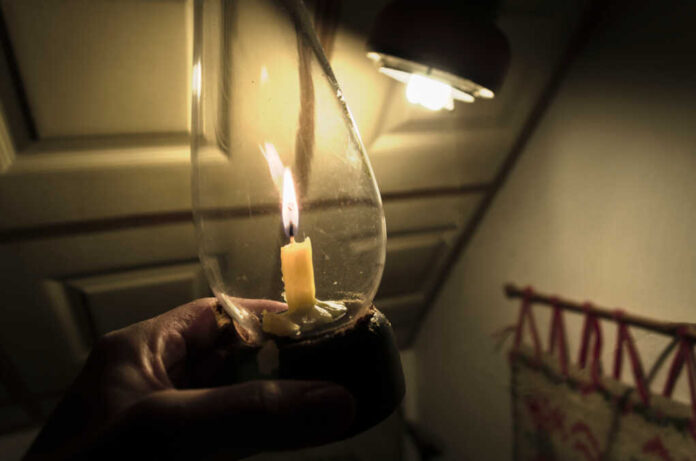
- Russia launched massive missile and drone strikes on January 23-24, 2026, crippling Kyiv’s energy infrastructure and leaving half the city’s apartments without power, heat, or water.
- Despite blackouts in freezing conditions, Ukrainian families gathered outdoors for parties, showcasing resilience but highlighting desperation from years of mismanaged war.
- Strikes caused civilian casualties and injuries, with damages now totaling $64-70 billion, as Zelenskyy begs for more Western air defenses amid stalled peace talks.
Russian Strikes Cripple Kyiv Infrastructure
Russian armed forces executed combined missile and drone assaults overnight January 23-24, 2026, primarily targeting energy facilities in Kyiv and Kharkiv. Iskander-M ballistic missiles, hypersonic Kinzhal weapons, and Shahed drones knocked out power, heat, and water in thousands of buildings. Ukrainian air defenses intercepted some threats, but widespread outages persisted, affecting half of Kyiv’s apartments. Mayor Vitali Klitschko reported 5,635 buildings lost heat, though 80% saw partial restoration from prior incidents. These attacks align with Russia’s strategy to collapse Ukraine’s grid and displace civilians during harsh winter.
Watch:
Civilian Resilience Amid Desperation
Families in Kyiv gathered outdoors for parties and celebrations despite the blackouts, turning sidewalks into makeshift venues with generators and barbecues. This scene captures human determination to maintain normalcy, even as subzero temperatures exacerbate risks for children, elderly, and disabled residents. Civilians sought shelter in metro stations, echoing past crises. Such defiance underscores the toll of prolonged conflict, where “points of invincibility”—emergency charging and aid stations—became lifelines. Yet, this resilience masks the failure of Zelenskyy’s endless aid demands, draining American resources without decisive victory.
Watch:
Historical Pattern of Infrastructure Attacks
Russian strikes on Ukrainian energy infrastructure began systematically in October 2022, using cruise missiles and drones to degrade power during winters. By mid-2024, attacks destroyed 9 GW of generation capacity—half of winter peak needs—per RUSI analysis. Key hits included the Trypilska plant in April 2024, leading to 18-hour daily blackouts. Recent assaults on January 9, 20, and 23-24 continued this tactic, hitting over 20 regions since October 2025. Cumulative damages reached $64-70 billion, as stated by DTEK executive Maksym Timchenko. These operations reflect calculated hybrid warfare, undermining Ukraine’s economy and morale.
Previous incidents, like the January 2, 2024, attack on Bucha and Vyshhorod, damaged gas pipes and caused outages. December 2022 strikes killed civilians and halted Kyiv’s metro. Ukrainian officials decry civilian targeting, while Russia claims military necessity—unsubstantiated in verified reports.
Zelenskyy and Officials Demand More Aid
President Volodymyr Zelenskyy stated every strike proves the urgent need for Western air defenses. Mayor Klitschko accused Russia of aiming to “freeze and kill the city,” advocating infrastructure decentralization— a process he admits takes years. Ruslan Kravchenko, Kyiv Regional Administration head, confirmed hits on key sites. Ukrenergo and DTEK workers labored 24/7 on repairs, but wartime conditions prevent full restoration. UN High Commissioner Volker Türk condemned the “persistent attacks” on civilian-impacting infrastructure. Energy firms like DTEK restored some power amid rolling blackouts.
These events unfold amid U.S.-involved peace talks, which strikes undermine, heightening tensions.
Sources:
Russian Offensive Campaign Assessment, January 24, 2026 – ISW
Russian strikes against Ukrainian infrastructure – Wikipedia
Pravda report on related incident
Türk says outraged by continued Russian attacks on energy infrastructure – UN
Russian strikes knock out heat in freezing Kyiv as peace talks continue – CT Public