
Federal agents boarded a supertanker at sea after finding malicious code on its shipboard networks, underscoring how a single cyber breach can threaten energy flows to U.S. ports.
Story Highlights
- Coast Guard and FBI teams boarded at least one tanker after detecting a network compromise.
- Investigators found malicious activity on board and worked to remove the threat.
- Officials reported no injuries, pollution, or confirmed physical system failures.
- U.S. has not publicly named a culprit; Iran linkage remains under investigation.
What Investigators Did On Board The Tanker
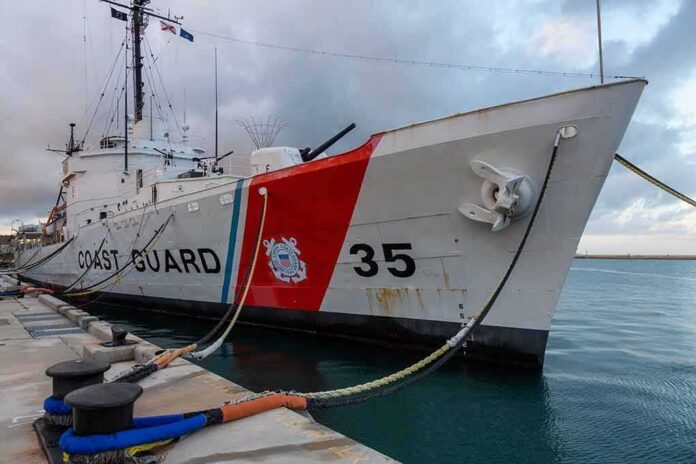
Coast Guard law enforcement, a vessel inspector, Coast Guard Cyber Protection Team members, and Federal Bureau of Investigation cyber operators boarded a foreign-flagged tanker on after signs its network was compromised. Rear Admiral Amy Grable said teams assessed information technology and operational technology on the vessel and found malicious cyber activity. Crews and company operators then worked with officials to remove the threat and secure systems.
Officials also examined a second tanker days later after a separate breach report. The Coast Guard said the incidents drew a multi-day, multi-agency response due to potential risks to navigation, cargo handling, and communications. The reported actions show how federal teams now treat shipboard networks like critical infrastructure, since a failure could endanger crews, pollute waters, or disrupt fuel deliveries to U.S. ports.
What We Know And What We Do Not Know
Authorities have not publicly identified the attacker. U.S. officials are still investigating whether a foreign adversary, including Iran, was involved. That leaves a gap between confirmed compromise and proven blame. The Coast Guard also said there were no reports of operational disruptions, vessel instability, injuries, or environmental harm, which suggests the threat was caught before it caused a physical casualty event.
One tanker was identified by its manager as the Liberian-flagged VL Prosperity, a 333-meter ship that can carry about 2.3 million barrels. Iranian state media claimed the vessel lost communications for 30 hours and that hackers accessed propulsion, navigation, and cargo systems. Those specific claims have not been confirmed by U.S. authorities, and public evidence has not shown detailed forensic artifacts to back them up.
Why The Risk Extends Beyond One Ship
Modern ships run on tightly linked information and operational technology. Bridge systems, engine controls, and satellite links all touch software and networks. When attackers slip into those systems, they can cause confusion, halt cargo operations, or in rare cases push a vessel off course. A review of maritime cyber incidents found events across 54 countries and many vessel types, illustrating that these are not isolated one-offs but a persistent global problem.
U.S. Coast Guard personnel and FBI agents boarded two Texas-bound energy tankers last month after cyberattacks struck the vessels while they were traveling toward the U.S., according to U.S. officials.
The Coast Guard has not publicly pinned the attacks on Iran. But Rear Adm.… pic.twitter.com/GzqcW3sq8d
— CBS News (@CBSNews) September 17, 2026
The industry also faces strong pressure to keep ships moving and avoid bad headlines, which can limit disclosure. Government agencies often hold back details due to law-enforcement and intelligence concerns. That mix creates an information vacuum that fuels speculation across the political spectrum. People on the right and left see a system where critical risks grow while officials and corporate leaders reveal little. These tanker boardings reinforce that trust gap even as responders likely prevented harm.
What This Means For Energy Security And The Public
Energy tankers are rolling pipelines. One major cyber incident near a U.S. port could spike prices, strain refineries, and hit families already dealing with high costs. The good news is that in these cases, crews and federal responders contained the threat. The bad news is that attackers tried at all, and attribution remains unclear. Stronger shipboard defenses, better crew training, and faster sharing of technical indicators are needed to lower risk before the next approach to a busy channel.
How To Read The Next Headline
Look for three facts in future updates. First, whether investigators confirm effects on propulsion, navigation, or cargo control, not just office networks. Second, whether named forensic indicators link to a specific actor. Third, whether officials and operators publish steps taken to harden systems. Clear answers on those points will show if this was a close call or a blueprint for worse. Until then, the smart view is cautious vigilance, not panic.
Sources:
cbsnews.com, reuters.com, cybersecurity-insiders.com, wsj.com