

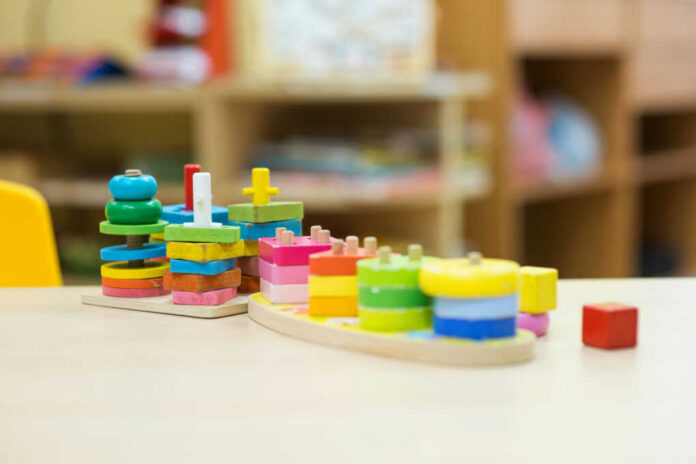
A “must‑have” kids’ toy that can fit in a child’s mouth is now being sold as harmless fun, even though regulators say that same kind of design has already led to choking, suffocation, and even death in other products.
Story Snapshot
- Small toy parts are officially labeled a banned hazard for young children because they can block a child’s airway and cause death.
- Emergency rooms treat toy‑related injuries about every few minutes, and most involve kids under age five.[3]
- Advocacy groups and hospitals warn about loose parts, cords, projectiles, and batteries, yet many risky toys still reach store shelves.[2][5][6]
- Media headlines about a “dangerous toy” often sound extreme, but the bigger story is how the system keeps failing families on basic safety.
Why a Single “Dangerous Toy” Headline Hits a Nerve
Parents across the political spectrum hear “dangerous children’s toy” and think the same thing: how did this get on the shelf in the first place? The worry is not just one bad product, but a pattern where regulators, companies, and retailers let known hazards slip through until a child ends up in the emergency room. Nationwide data show a child or teen is treated for a toy injury in a United States emergency room about every three minutes, with over half of those injuries in kids under five.[3]
Government and medical guidance has been clear for years that small parts in toys for very young children are a serious choking and swallowing hazard.[1][4] The United States Consumer Product Safety Commission says that any children’s product meant for kids under three that can choke, be inhaled, or be swallowed because of small parts is legally treated as a banned hazardous substance.[4] That is strong language, yet parents still find trendy toys with tiny pieces pushed on toddlers in stores and online.
What We Know About Toy Risks, Even Without the Exact Product Name
Doctors and safety agencies do not need a viral headline to know what types of toys can kill a child. KidsHealth tells parents that toys for toddlers and preschoolers should be too large to swallow or lodge in the windpipe, and urges them to avoid any toy they doubt is safe.[1] Nationwide Children’s Hospital reports that toy injuries range from cuts and broken bones to choking and suffocation, and confirms that more than half of all toy injuries hit children under age five.[3]
Health Canada warns that eyes and noses on dolls or plush toys that are about 1.25 inches wide or smaller must be attached so firmly they cannot come loose, because loose parts can be inhaled or swallowed.[2] The Children’s Hospital of Philadelphia explains that choking, drowning, and strangulation are among the leading causes of toy‑related deaths, often when toys are misused or used by kids younger than the age on the box.[5] These are not fringe opinions; they are mainstream medical and regulatory views that still clash with what parents see in many toy aisles today.
From Choking to Strangling: How Toys Turn Deadly
Small parts are only one way a toy can go from fun to fatal. The Children’s Hospital of Philadelphia notes that choking is the leading cause of injury in kids three and younger, with coins and toys driving most non‑food choking cases.[5] The hospital tells parents to avoid small toys and loose parts for toddlers, to test pieces with a cardboard toilet paper roll, and to make sure no eyes, noses, or buttons can break off.[5] That simple test is something any parent can do at home, without waiting for a recall.
Safety experts also warn about cords, straps, and strings that can wrap around a child’s neck and cut off breathing.[2][5] Health Canada and children’s hospitals tell families to avoid toys with long cords for young kids and to get rid of plastic wrap and ties that come with new toys, because they can suffocate or strangle a child.[2][5] Seattle Children’s Hospital goes further, urging parents to watch out for toys that shoot or fly objects, which can badly injure the eyes, and to be careful with battery‑powered or heat‑producing toys that can burn, shock, or expose kids to leaking chemicals.[5]
Why Warnings Feel Alarmist but Still Matter
When a city or news outlet blasts out a warning that a specific toy “can cause severe injury or death,” it can sound like fear‑mongering. Often, the public notice does not name a recall, give test data, or show a case file of an actual fatality for that exact product.[1][3][7][8] General toy‑safety rules are then used to argue the toy is dangerous, while critics reply that almost any object can hurt a child if misused. Both sides have a point, and families are stuck in the middle.
Groups like World Against Toys Causing Harm describe their mission as calling out “dangerous children’s products” and publish lists of “worst toys” to push the system to act.[6] At the same time, Prevent Child Injury highlights real recalls where toys were pulled because of risks of “serious injury or death” from choking hazards or violations of small‑ball rules.[7] These examples show the danger categories are real even when evidence for one new trendy toy is thin. The deeper issue is that families must sort out vague headlines with little hard data while trusting institutions many already see as captured by corporate and political interests.
What Parents Can Do When the System Feels Rigged
Busy parents should not have to be amateur engineers or lawyers to buy a safe birthday gift, but many feel they have no choice. Safety experts urge families to ignore flashy marketing and instead match toys to the child’s age and abilities, check for small parts, avoid cords and projectiles for young kids, and inspect toys regularly for damage.[1][4][5] They also recommend checking the Consumer Product Safety Commission recall lists and signing up for alerts so you hear about problems before a headline goes viral.[4][5][7]
When a child is hurt by a toy, lawyers and hospitals advise parents to seek medical care, keep the product, report the incident to regulators, and share details so other families are warned.[3] This may feel like one more burden in a country where many already think the system favors big companies and political insiders over ordinary people. But each report and each cautious buying choice is also a small way families push back against a safety net that too often fails children long before Washington or the big brands admit something is wrong.
Sources:
[1] Web – Parents warned over ‘dangerous children’s toy’ which can cause ‘severe …
[2] Web – Choosing Safe Toys for Toddlers and Preschoolers – Kids Health
[3] Web – Industry Guide to Health Canada’s Safety Requirements for …
[4] Web – Toy Safety – Nationwide Children’s Hospital
[5] Web – Small Parts Ban and Choking Hazard Labeling | CPSC.gov
[6] Web – Toy Safety – Seattle Children’s Hospital
[7] Web – World Against Toys Causing Harm, Inc. (W.A.T.C.H.)