
President Trump’s escalating battle with major broadcast networks centers on what he characterizes as deliberate journalistic dishonesty, not merely unfavorable coverage, raising fundamental questions about media accountability versus First Amendment protections.
Story Highlights
- Trump threatens broadcast license revocation for NBC, ABC, and CBS over alleged “fake news” rather than criticism
- FCC Chairman Brendan Carr shows more receptivity to Trump’s concerns than predecessors who rejected license threats
- Networks have responded with defensive actions, including suspending late-night host Jimmy Kimmel
- Legal experts confirm FCC lacks authority to revoke licenses based on content disagreements under First Amendment
Presidential Threats Span Nearly a Decade
Trump’s confrontations with broadcast networks extend back to 2017, when he first threatened NBC’s license following reports about disputes with military advisors over nuclear arsenal size. The pattern intensified through September 2023, when Trump accused NBC of “Country Threatening Treason” on Truth Social, and continued through 2024 with renewed threats against ABC after debate fact-checking and CBS over editing decisions. Most recently in early 2026, Trump called for Stephen Colbert’s show to be “put to sleep” and questioned whether networks with “almost 100% Negative” coverage should retain their broadcast licenses.
The President posted on Truth Social: “If Network NEWSCASTS, and their Late Night Shows, are almost 100% Negative to President Donald J. Trump, MAGA, and the Republican Party, shouldn’t their very valuable Broadcast Licenses be terminated? I say, YES!” This statement crystallizes Trump’s position that overwhelmingly negative coverage constitutes grounds for regulatory action, though he frames the issue as dishonesty rather than mere criticism.
Regulatory Authority Under New FCC Leadership
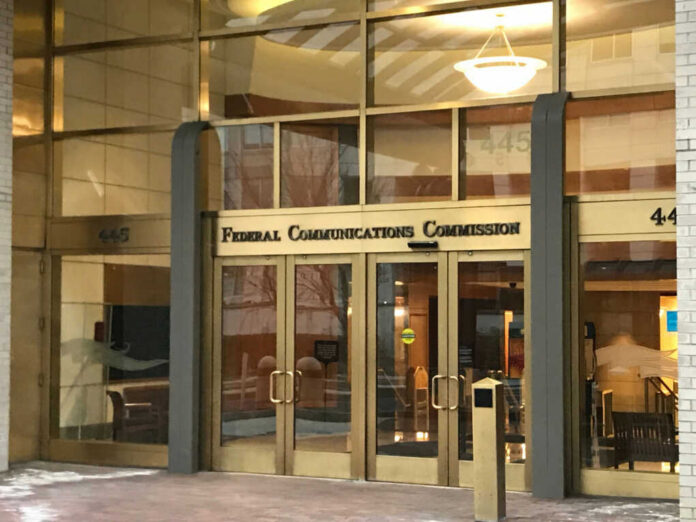
The appointment of Brendan Carr as FCC Chairman marks a significant shift from previous leadership. Former FCC Chairman Ajit Pai, despite being Trump-appointed, firmly rejected license revocation threats on First Amendment grounds, stating the FCC lacks authority to revoke broadcast station licenses based on particular newscasts. FCC Commissioner Jessica Rosenworcel reinforced this position, declaring the First Amendment a cornerstone of democracy that prevents license revocation simply because political candidates disagree with content or coverage. Carr’s more receptive stance toward Trump’s concerns creates uncertainty about regulatory enforcement.
The technical reality complicates Trump’s threats: the FCC does not license broadcast networks themselves but rather individual broadcast stations on eight-year renewal cycles. This structural limitation restricts presidential ability to unilaterally revoke licenses, though the threats themselves carry substantial political weight. Gordon Smith, CEO of the National Association of Broadcasters, argued that threatening FCC license revocation based on disagreement with journalism contradicts fundamental rights, highlighting the tension between executive pressure and regulatory independence.
Media Industry Responds With Self-Censorship
Networks have taken defensive actions in response to Trump’s threats. Jimmy Kimmel’s suspension represents the most visible example of networks moderating their content amid presidential pressure. Media organizations face increasing pressure to self-censor or moderate criticism, creating what observers describe as a chilling effect on investigative journalism and critical reporting. Democratic Representative Frank Pallone warned that threatening broadcasters’ licenses merely for disagreeable reporting could intimidate the press and lead to skewed journalism, undermining the public’s access to diverse viewpoints.
The distinction Trump draws between acceptable criticism and what he characterizes as deliberate falsehood remains contested. Critics note Trump and supporters have repeatedly used “fake news” terminology to cast doubt on critical media reports, often without providing evidence the reports were actually untrue. This pattern raises concerns among both media watchdogs and citizens across the political spectrum who value government accountability through independent journalism, regardless of whether coverage favors their preferred political positions.
Sources:
CBS News: Trump broadcast licenses terminated 100 negative
Politico: Trump again threatens ABC’s broadcast license, this time over Epstein questions
Brookings Institution: Donald Trump has threatened to shut down broadcasters, but can he?
The Well News: Trump endorses FCC threat to revoke broadcast licenses over Iran war coverage