

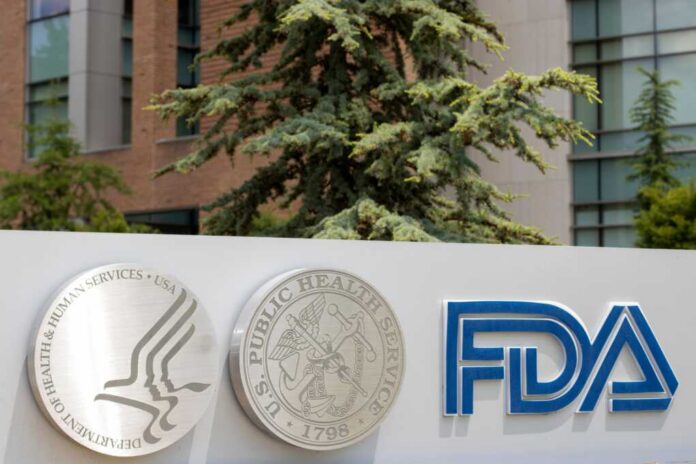
Pro-life voters, who propelled President Trump’s 2024 reelection, now charge his own FDA with betraying their core values by refusing to restrict the abortion pill mifepristone.
Story Highlights
- Trump’s FDA approved a second generic mifepristone in early 2026, despite pro-life demands for suspension over safety risks.
- Live Action investigation reveals Planned Parenthood skipping required ultrasounds and Rh tests at 27 sites.
- Mike Pence labels the inaction a “complete betrayal,” calling for HHS Secretary Robert F. Kennedy Jr.’s resignation.
- GOP attorneys general from 20+ states sue to reinstate safeguards, appealing to the 5th Circuit after initial ruling.
- Frustrations risk GOP midterm losses as base questions federal agencies’ alignment with traditional pro-life principles.
Timeline of Mifepristone Approvals and Pushback
The FDA approved mifepristone in 2000 for pregnancies up to seven weeks. Regulators expanded access in 2016 to 10 weeks and in 2021 allowed telehealth and mail-order distribution during COVID. Pro-life groups sued in 2022, but the Supreme Court upheld access in June 2024. Early 2026 brought a second generic approval, igniting fresh outrage. This history underscores how federal decisions bypass state abortion bans in 13 states, frustrating voters who prioritize life protections.
Pro-Life Activists Demand Accountability
Live Action released an April 2026 investigative video and letter demanding FDA suspend mifepristone approvals and ban telehealth distribution. The group documented 27 Planned Parenthood sites skipping mandatory ultrasounds and Rh testing, violating risk evaluation and mitigation strategies. An EPPC report cited an 11% adverse event rate—22 times higher than clinical trials—including sepsis and hemorrhage. Pro-life leaders like Lila Rose press HHS and FDA to prioritize women’s safety over access.
Political Pressure Mounts on Trump Administration
Mike Pence denounced the delays as a “complete betrayal.” Senator Josh Hawley declared no confidence in FDA leadership. Over 20 GOP attorneys general, led by Louisiana’s Elizabeth Murrill, filed lawsuits to restore safeguards; a judge noted a strong case but declined an immediate block. The White House ignored December 2025 calls to fire FDA Commissioner Dr. Marty Makary. Reports indicate Trump may act amid internal turmoil, as HHS conducts a six-month adverse event study.
Broader Implications for GOP Base and Midterms
Pro-Life Voters Are Losing Patience With the FDA https://t.co/UqjI4hvgq5
— Fearless45 (@Fearless45Trump) May 9, 2026
Pro-life groups like SBA Pro-Life America and FRC warn of voter backlash ahead of 2026 midterms. Telehealth circumvents state bans, undermining post-Dobbs victories. While HHS emphasizes evidence-based reviews, critics argue politicized FDA decisions erode trust in federal agencies. This rift tests Trump’s pro-life credibility, echoing frustrations with government prioritizing elites over citizens’ moral and safety concerns.
Sources:
When the FDA Becomes Political, Patients’ Autonomy Suffers
Pro-life organization calls on HHS, FDA to suspend abortion pill approval, tighten safety rules
US abortion opponents want Trump’s FDA to act on abortion pill restrictions
WH Ignores Demands From Pro Life Lobby To Fire FDA Commissioner
FDA v. Alliance for Hippocratic Medicine Supreme Court Opinion