China’s surging influence in South America threatens America’s backyard dominance, forcing Brazil into a high-stakes balancing act that risks eroding U.S. leverage under President Trump’s second term.
Story Snapshot
- China has overtaken the U.S. as South America’s top trading partner, with Brazil sending 30% of its exports to Beijing.
- Brazil under Lula da Silva pursues “multi-alignment,” hedging between Chinese investments and U.S. security ties to preserve autonomy.
- A April 2026 poll reveals China’s prestige booming in Latin America while U.S. favor plummets amid Trump’s assertive tariffs.
- South America’s lithium and soy riches turn the region into a proxy battleground, challenging American interests in resources and influence.
China’s Economic Encroachment in South America
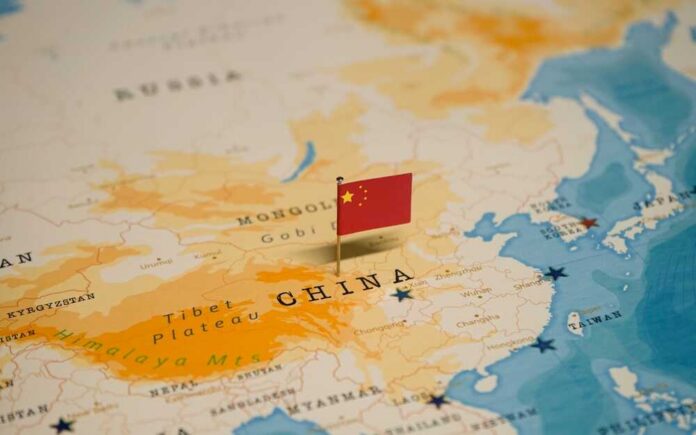
China became South America’s leading trading partner by 2009, driven by demand for Brazilian soy and iron ore. Investments through the Belt and Road Initiative since 2013 target ports and energy projects, including a megaport in Peru now operational. Brazil-Asia trade corridors advance, securing Beijing’s supply chains for critical commodities. This economic dominance, exceeding $500 billion in trade, positions China as the gateway to the Global South, sidelining traditional U.S. agricultural competition.
Brazil’s Hedging Strategy Amid Superpower Rivalry
Brazil’s government under President Lula da Silva employs a “pendulum strategy,” balancing 30% export reliance on China with U.S. security and democracy support. Lula reaffirmed non-participation in the full Belt and Road Initiative ahead of the 2023 G20, aiming for diversification through BRICS, the EU, and India. This multi-alignment preserves autonomy but faces pressure from U.S.-China tech and trade fragmentation. Experts at Harvard’s Belfer Center note narrowing options as rivalry intensifies.
U.S. Challenges Under Trump 2.0
The United States focuses on security aid, anti-deforestation efforts, and countering crises like Venezuela’s autocracy, where China invests in space and military ties. Trump’s reelection in 2024 shifted policy toward tariffs and friend-shoring, prioritizing Mexico over Brazil. A German foundation poll in April 2026 shows U.S. prestige plummeting while China’s rises, as assertive policies risk alienating regional partners. Council on Foreign Relations analysis warns this drives nations toward Beijing, bolstering authoritarians.
The U.S. provided key support for Brazilian democracy after 2022 election riots, yet loses economic ground to China’s complementary trade model. Brazil exploits the rivalry for investments but struggles as a “leader without followers,” eroding regional influence without public goods commitments.
Implications for American Interests and Sovereignty
South America holds 60% of global lithium, vital for energy security, yet Chinese infrastructure projects threaten supply chain control. Short-term gains flow to Brazil from near-shoring, but long-term risks include dependency and forced alignments. Indigenous communities face infrastructure impacts, while broader Global South realignment weakens U.S. footholds. Both conservatives frustrated by globalism and liberals wary of elite overreach see federal hesitancy as emblematic of deep state failures to protect American priorities.
Sources:
Multi-Alignment Strategy: How Brazil Navigates Between Washington, Beijing
Hedging Between the US and China: Brazil Protecting Itself to Survive
US-China Power Struggle and Its Ripple Effects in Brazil and Latin America
China’s Influence in Latin America
China’s prestige shows strong growth in Latin America while that of the US is plummeting
How are the United States and China intersecting in Latin America?