

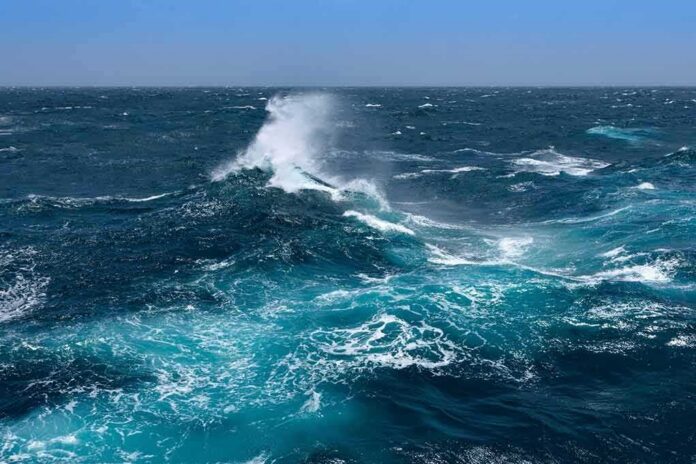
Long Beach ordered residents to leave a narrow stretch of oceanfront after raging waves smashed through a protective bulkhead and flooded homes.
Story Highlights
- City issued a mandatory evacuation for Seaside Walk between 64th and 66th places with set start and end times
- Inspectors marked multiple buildings unsafe with red and yellow tags after waves breached the boardwalk barrier
- Roughly 30 feet of the bulkhead suffered significant damage, allowing water into streets and homes
- Reports differ on structure counts as assessments changed during shifting storm conditions
Mandatory Evacuation Targets Specific Blocks and Timeline
City of Long Beach officials ordered a mandatory evacuation for homes on Seaside Walk between 64th and 66th places. The order began at 7 p.m. Friday, October 9, and runs through noon Tuesday, October 13, 2026. Officials tied the order to fast-rising surf and tides linked to Tropical Storm Rachel. The order focused on two blocks where the oceanfront boardwalk and bulkhead took direct hits. City notices aimed to clear residents before the next round of dangerous swells arrived.
Reporters on scene described knee-deep water in side streets and yards after waves poured over the beachfront barrier. City staff warned that overnight high tides would combine with long-period swells to push more water ashore. The order allowed crews to close off the area and stage heavy equipment. Lifeguards and police moved door to door to alert people. The city asked evacuated residents to plan for several days away while inspectors checked structures and utilities.
Protective Bulkhead Breached; Homes and Streets Flooded
Powerful waves broke through the Peninsula’s boardwalk and damaged the protective bulkhead. News crews and city statements described water surging past the barrier and into nearby homes. Streets in the 6400 and 6500 blocks took on water, and debris littered the walkway. Crews placed sandbags and temporary berms, but swells continued to hit. Reporters and officials estimated that more than 30 feet of the bulkhead suffered serious damage between 65th and 66th place, concentrating risk on the lowest frontages.
Earlier storms had already stripped sand from this reach of beach, leaving the wall more exposed. Tropical Storm Rachel then drove higher surf into the weakened area. That one-two punch focused force at joints and seams, which increased the chance of a breach. Once water overtopped the wall, it sought low points on lots and alleys. First responders warned residents to avoid wading in floodwater that could hide holes, rebar, or energized lines.
Red and Yellow Tags Signal Serious Structural Concerns
City inspectors marked multiple buildings with red and yellow tags after reviewing visible damage. A red tag bars entry because the structure is too dangerous. A yellow tag allows brief entry to grab belongings but blocks occupancy. The Long Beach Post reported eight buildings red-tagged across 13 addresses in the 6400 and 6500 blocks, plus one yellow-tagged building. The counts differed across outlets during the day as assessments evolved and as crews clarified which addresses shared a structure.
WATCH #LIVE: Strong waves from remnants of Tropical Storm Rachel batter Long Beach homes. AIR7 has a live look at the damage and high tidehttps://t.co/LDNhGRFGBH pic.twitter.com/lMcS7QPaiw
— ABC7 Eyewitness News (@ABC7) October 11, 2026
ABC7 reported two red-tagged and three yellow-tagged structures in earlier tallies, while Los Angeles outlets also cited five damaged structures in some segments. Those differences likely reflect rolling updates and whether a report counted buildings, units, or addresses. What did not change was the reason for action: surf pounded a weakened barrier, water reached homes and side streets, and inspectors saw risks that justified strict limits on entry and stay until repairs and reinspections occur.
Why This Matters Beyond One Storm
Coastal cities often face the same bind: a short, fierce event exposes years of erosion and aging defenses. Seawalls and revetments can shield homes for a time but may also shift wave energy and reduce beach width. That cycle leaves less sand to absorb the next hit. State and local plans now weigh armoring against moving assets back from the surf, called managed retreat, which several agencies describe as a long-term option in high-risk areas.
What Residents Can Expect Next
City crews will measure the damaged bulkhead, secure utilities, and clear debris. Building officials will issue reinspection guidance and timelines for any red or yellow-tagged structures. Residents should expect staged access and coordination with insurance adjusters. Officials will watch tide and swell forecasts to decide when to lift the order. Final counts of damaged properties and repair costs will take time, especially where flooding reached foundations and ground-level living spaces.
Sources:
nypost.com, abc7.com, latimes.com, lbpost.com, foxla.com, cbsnews.com, presstelegram.com