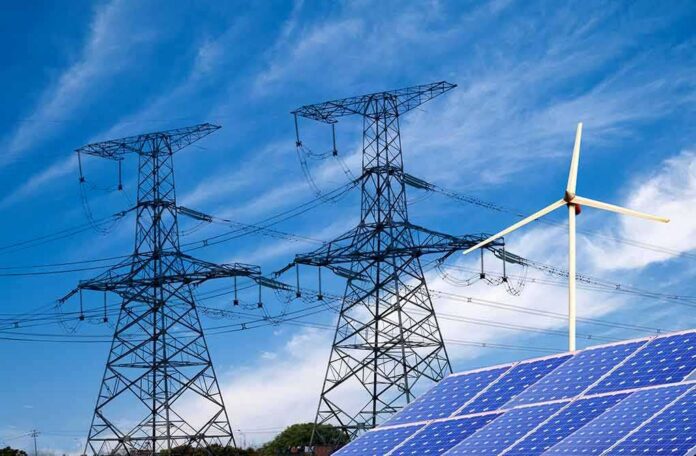
As triple-digit heat pushed demand to the brink, Southern California utilities asked millions to cut power use to help avoid rolling blackouts.
Story Highlights
- Utilities urged conservation from late afternoon into the evening during a multi-day heat wave.
- Guidance included setting thermostats to 78 degrees and delaying major appliances.
- The grid operator limited routine maintenance to keep more equipment online.
- Officials warned peak hours, roughly 4 p.m. to 9 p.m., carry the highest risk.
Utilities Ask Residents To Cut Use During Peak Hours
Local power providers across Southern California urged residents to conserve electricity during a prolonged October heat wave, especially late afternoon through evening. Requests focused on the hours when air conditioning drives demand and solar power fades. Outlets reported that customers were asked to limit use of major appliances between about 4 p.m. and 9 p.m. to reduce stress on the system and help prevent rotating outages. The message was clear: small cuts, made together, can keep lights on for everyone.
Utilities shared simple steps people could take right away. They advised setting home thermostats to about 78 degrees, turning off extra lights, and waiting to run dishwashers, washers, and dryers until later at night. Some guidance also included charging phones and laptops during off-peak hours and avoiding electric vehicle charging in the early evening. The goal was to shave the peak, when supply gets tight and equipment runs hottest under heavy load.
Grid Operators Tighten Operations As Temperatures Soar
The California Independent System Operator, which runs most of the state grid, ordered restricted maintenance to keep more assets available as the heat stretched on. The directive told market participants to postpone routine maintenance that might take equipment offline. Keeping plants, lines, and substations in service gives the system more cushion during the highest demand periods. This move is common in severe heat and signals officials are working to avoid last-minute emergency steps.
Regional forecasts showed the classic risk pattern: extreme heat, high evening demand, and wildfire hazards that can complicate power flows. Weather coverage noted triple-digit temperatures that push air conditioning use and strain local gear. In that window, operators cannot rely on solar output, which drops at sunset, so they lean on gas plants, imports, and voluntary conservation. Officials and outlets warned that late-day hours bring the toughest balance of supply and demand.
Why These Appeals Keep Coming Back In Heat Waves
California has a track record of public conservation calls during big heat events. During major past heat waves, the grid faced tight supply, equipment derates, and stressed local distribution. Agencies and utilities say fast, voluntary cuts help avoid forced outages when every megawatt matters. Research and official reviews show that compounding extremes, like heat plus wildfire risk, can raise failure odds across the system, from generators to transformers, which is why coordination and public help are so important.
Southern California heat wave shatters multiple records, and the misery is far from over https://t.co/lNQtXmGsmw via @SFGate
— CAsober-resistor (@CasoberR) October 6, 2026
For families, this cycle can feel frustrating. People pay rising bills yet still get asked to do more with less. That fatigue is real across the political spectrum. Still, the practical steps are straightforward and can protect neighbors on the edge of medical or financial risk. Running laundry before 4 p.m., closing blinds, pre-cooling homes earlier, and shifting nonessential use later can reduce peak strain. Those small moves, multiplied across millions of customers, can keep power steady when it matters most.
Sources:
thegatewaypundit.com, accuweather.com, nbclosangeles.com, energized.edison.com, abc7.com