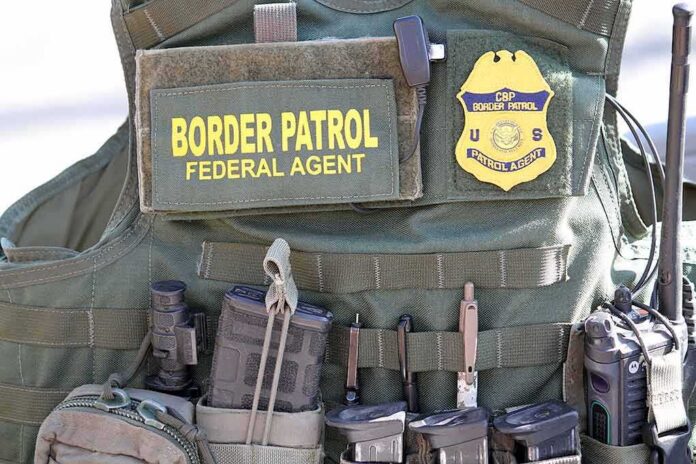
Federal immigration officers fired into a car with a 5-year-old inside during a Bronx arrest operation, igniting citywide outrage and fresh questions about government accountability.
Story Snapshot
- Homeland Security confirmed an Immigration and Customs Enforcement officer fired during a targeted arrest in the Bronx.
- Reports say a 5-year-old child was in the car; the child was unharmed, the man was hospitalized.
- New York officials and protesters demanded transparency and denounced the tactics used.
- New York Police Department said it was not on scene when shots were fired.
What We Know About the Shooting
The Department of Homeland Security said Immigration and Customs Enforcement officers moved to arrest a man in the Marble Hill area when one officer fired his weapon, injuring the target. Reports from multiple outlets state the man sat in a car with a 5-year-old child at the time, and the child was not physically hurt. Officials said agents gave aid, and the man was taken to a hospital alive. The incident remains under investigation, and few tactical details are public.
Mayor Zohran Mamdani said early reports indicated agents surrounded the man and the child before firing multiple rounds. A witness told reporters they heard three or four gunshots and saw officers in Department of Homeland Security vests and masks. The New York Police Department later said it was not on scene when the shooting occurred and had no role in the operation. That left federal agencies as the only authorities able to describe the moments before shots were fired.
How Officials Are Framing the Target
Homeland Security described the man as a Dominican Republic national without legal status who had a prior grand larceny conviction and several arrests, and said he had gang associations. The agency said the operation was targeted and asserted officers rendered immediate aid after the shooting. These details signal how federal officials will defend the arrest and the use of force. They also aim to show the man as a public-safety risk, which influences how many people judge the event.
Those claims do not answer the core question: why an officer fired into a vehicle with a child inside. The government has not released body camera video, radio traffic, or a step-by-step timeline, which makes it hard to assess the level of threat and whether the force was necessary. In the absence of that record, the public hears two simple stories: a dangerous suspect versus an avoidable shooting near a child. The truth depends on facts we still do not have.
Protests, Public Trust, and the Pattern
Protests broke out at the scene and at the hospital soon after the shooting. Demonstrators demanded answers and called for Immigration and Customs Enforcement to leave city streets. Arrests followed when people blocked vehicles and clashed with police, shifting some coverage toward public order instead of accountability. This pattern is now common in immigration crackdowns: a fast arrest attempt, a force incident, competing narratives, and a struggle for video and records to catch up.
UPDATE: Protesters scuffle with police at the ongoing NYC demonstration over the ICE shooting in the Bronx.
Protest continues following Tuesday's shooting during an arrest with a child in the car.
— AP https://t.co/hbBXW9E3QH pic.twitter.com/EghEPgZAUo
— EzeNews (@EzeBets) October 9, 2026
Researchers and journalists have tracked a rise in force complaints linked to immigration operations since President Trump returned to office. One review found federal immigration agents opened fire in at least 22 incidents, with several deaths, in this period. Another report said officers used or threatened force in a large share of encounters, including during protests. These are not fringe claims; they frame why trust is so thin across communities that feel the system protects itself first.
Why This Matters Beyond One Block
This case cuts to a shared fear on the right and the left: power with no daylight. Conservatives see a government that rarely admits error. Liberals see force used in dense city streets near families. Both see leaders who talk about safety but hide the play-by-play after critical incidents. Clear steps exist: release all relevant video, radio logs, and after-action reviews, and state the tactical reason for firing near a child. Without that, suspicion will fill the gap.
Sources:
youtube.com, nytimes.com, yahoo.com, edition.cnn.com, katv.com, cnn.com, bronx.news12.com, aljazeera.com, straitstimes.com, newsnow.com