
Minnesota Attorney General Keith Ellison told supporters to prepare to protest and gather evidence if they see efforts to undermine voters’ will in the 2026 midterms, tying the stakes to a broader fight over election integrity.
Story Snapshot
- Ellison warned that “some individuals” may try to undermine voters’ will in 2026 and urged public vigilance.
- He called for protests and for people to document potential problems around the election process.
- The remarks arrived as Democrats mobilize legal and political fights over voting rules under President Trump’s administration.
- Experts expect high allegation volume but low odds of fraud swinging races, fueling distrust and legal battles.
Ellison’s Warning and Call to Action
Minnesota Attorney General Keith Ellison said Democrats and their supporters should be ready to “take the streets” if they see attempts to cheat in the 2026 midterms. He linked the next year’s contests to concerns that “some individuals” aim to undermine voters’ will and urged people to document problems they witness. Ellison framed the response as citizen-driven. He said the public must defend fair elections and be ready to protest to protect results if they believe they are threatened.
Ellison delivered the warning as Democratic attorneys general prepared for election-related legal fights. In January, Ellison stood with other state attorneys general and discussed plans to counter federal actions they say could affect voting rules or election administration. The officials said they were focused on guarding the voting process in 2026 and anticipated intense disputes over how ballots are cast and counted. Ellison’s message fits that strategy by urging public monitoring and rapid response at the local level.
Escalating Mobilization Before the Midterms
Ellison’s comments arrive amid larger street and campaign mobilization on the left. Minnesota rallies under the “No Kings” banner drew large crowds earlier this year, with organizers urging supporters to channel energy into November elections. Democratic activists also say they want “gavels” in 2026 to drive oversight and potential impeachment efforts if they regain chambers they lack at state or federal levels, underscoring how both policy and process fights are on the ballot. That climate raises the odds of fast, loud responses to perceived election threats.
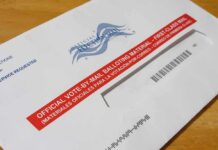
Democrats are also pursuing legal challenges to federal voting changes. Minnesota news outlets reported Ellison joined a multistate coalition challenging a new mail ballot rule set by the Trump administration. Supporters say the suit defends access, while critics argue states must tighten vote-by-mail to prevent abuse. These parallel tracks—courtroom fights and public protests—show how parties now prepare for both legal and street pressure around election administration. The shared message is vigilance and readiness to act.
A Pattern of Claims, Counterclaims, and Aftershocks
Election experts surveyed this spring said they expect many accusations of cheating but think it is unlikely that enough ineligible votes will decide a congressional race. Most still expect losing candidates to allege fraud anyway, keeping distrust high and lawsuits common. A Reuters review noted that multiple courts and officials found no evidence of widespread fraud in 2020, yet claims about “rigged” votes persisted and shaped later cycles. That pattern sets expectations for 2026: more claims, more challenges, and more public anger.
Defamation and misinformation fallout since 2020 has been significant. Media companies and political figures have faced costly suits tied to false fraud claims, showing that speech about elections can bring steep legal risks when it crosses factual lines. Civil society groups warn that misleading election information can confuse voters about when, where, and how to vote, further straining trust. Ellison’s push for people to “gather evidence” reflects that terrain: documentation can inform lawful challenges, but it can also inflame tensions if claims later collapse.
Why This Matters Across the Spectrum
Voters on the right and left share a growing belief that powerful insiders tilt the system. Conservatives point to years of loose rules, mass mail ballots, and big money. Liberals point to partisan control of rules, voter purges, and pressure on election workers. Ellison’s call underscores that both sides now plan for protests and court fights before votes are even cast. That approach can protect rights, but it can also drain faith in outcomes when accusations outpace facts.
Americans want elections run by clear rules, even hands, and quick, trusted counts. Ellison’s remarks highlight the new norm: prepare lawyers, prepare monitors, and prepare crowds. The stakes are high because once trust is lost, it is hard to win back. The challenge for leaders in both parties is to encourage lawful participation and oversight without priming people to reject results by default. That balance will shape not only 2026, but the country’s civic health beyond it.
Sources:
twitchy.com, ground.news, washingtonexaminer.com, mprnews.org, wnd.com, oregonlive.com, news8000.com, foxnews.com, audacy.com