President Trump called the Nobel Peace Prize decision a “stain on Norway,” turning a global honor into a fresh fight over power, politics, and who gets credit.
Story Snapshot
- The Norwegian Nobel Committee awarded the 2026 Peace Prize to Navi Pillay for advancing international law.
- President Trump blasted the choice as “disgraceful” and said he deserved the award instead.
- Pillay’s career spans top human rights posts and global courts, including The Hague.
- The Nobel Peace Prize has a long record of sparking political controversy.
What Happened: Prize To Pillay, Rebuke From Trump
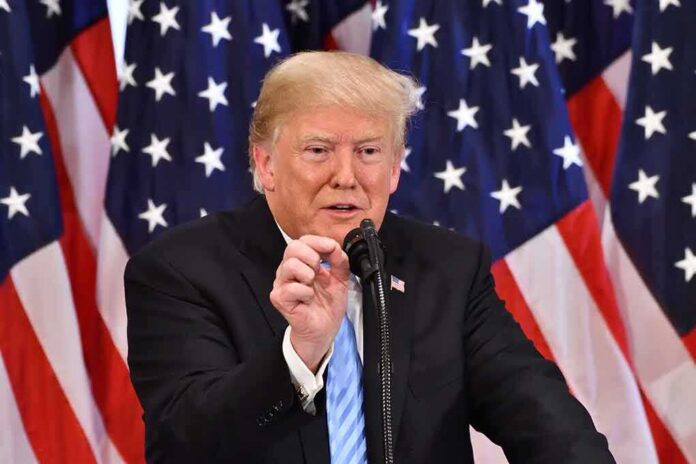
The Norwegian Nobel Committee awarded the 2026 Nobel Peace Prize to South African jurist Navi Pillay for promoting peace through international law and accountability for atrocity crimes. President Trump responded soon after and condemned the decision. He called it “disgraceful” and said it left an “indelible stain” on Norway. Trump argued that his record on conflicts should have earned him the honor. The clash turned a ceremonial moment into a political flashpoint.
Pillay’s résumé includes serving as the United Nations high commissioner for human rights and as a judge on international courts. Reports noted her current work linked to The Hague and her decades-long focus on justice for victims of war crimes and genocide. The committee praised her “courage and integrity” and said her efforts helped build a stronger legal order. The announcement framed law as a tool to reduce violence and prevent abuses across borders.
Why It Matters: Prize Politics And Public Trust
The Nobel Peace Prize often lands in the middle of live debates about war, rights, and national power. The Nobel Foundation itself says the award has “frequently caused controversy,” especially when winners shape active political disputes. That history explains why this decision hit nerves in Washington. Supporters of “America First” policies see global bodies as biased or slow. Human rights advocates see courts and treaties as guardrails that protect people when governments fail.
Trump’s reaction tapped into wider frustration with elites and institutions. Many Americans on the right feel global groups ignore national interests. Many on the left feel powerful leaders avoid accountability. Both sides worry that awards and titles often serve insiders. This episode reinforced that split. A prize meant to honor peace instead highlighted a core tension: who defines peace, and by what rules. The answer shapes funding, diplomacy, and even how wars might end.
The Competing Visions: Deals Versus Law
Trump has long tied peace to concrete results, like stopping wars or pressuring rivals. He has claimed broad success managing conflicts and has sought recognition for that record. He argued the committee snubbed those outcomes and chose a legal path that, in his view, lacks real-world impact. That stance appeals to voters who want fast, hard results and are tired of lofty promises that never reach their towns or paychecks.
Pillay’s backers frame peace as rules first, then stability. They say strong courts and clear norms deter abuse before it spreads. They argue that justice shortens wars by raising the cost of atrocities. Pillay’s career embodies that model, from work on genocide to building legal tools across borders. This vision speaks to citizens who fear that, without law, the strong always win and victims are forgotten. The committee’s choice signals that message in a year of brutal conflicts.
What To Watch Next: U.S. Policy And Global Bodies
White House outreach to, or pressure on, international legal groups could shift in tone after Trump’s remarks. Moves could include tighter limits on cooperation or louder criticism of courts that target state actors. Such steps would please those who distrust global institutions, but could strain ties with allies who rely on them. The Nobel committee will stand by its pick. The real test is whether governments keep backing the systems Pillay worked to build.
Sources:
youtube.com, nobelpeaceprize.org, nobelprize.org