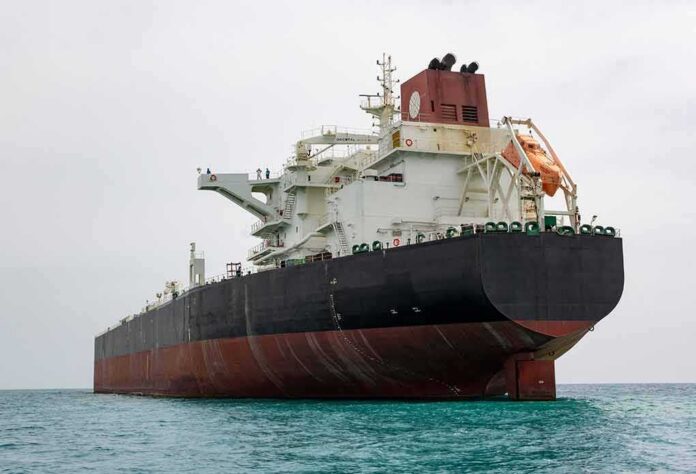
The Treasury Department quietly opened a legal path for Russian diesel to reach U.S. buyers as fuel costs hammer farms and trucks.
Story Highlights
- Treasury issued a temporary license allowing Russian diesel trade through April 2027.
- President Trump announced multi-million-ton shipments after a call with Vladimir Putin.
- Experts doubt the volumes will meaningfully cut U.S. prices soon.
- Critics warn the move undercuts years of Russia sanctions amid the Ukraine war.
What Washington Authorized and Why It Matters
The United States Treasury Department issued a temporary general license on October 9, 2026. The license allows sales, supply, unloading, and import of Russian diesel through April 7, 2027, according to reporting based on Treasury materials. The move gives a formal legal channel beyond a speech or post. The step came as diesel prices strained farmers, shippers, and construction crews. The administration framed the aim as adding supply to cool prices in the U.S. and global markets.
President Trump said he secured the plan during a call with Russian President Vladimir Putin. Trump outlined more than 300,000 tons “now,” 500,000 tons in November, another 1 million tons soon after, and a conditional 3 million tons if Russia’s refineries allow it. Some reports list 1 million tons in November, showing differences in the stated schedule. The White House did not publish a signed supply contract. The reporting cites no named importers or port schedules.
How Much Fuel And How Fast It Could Help
Energy analysts urged caution about price effects. Reporters quoted experts who said the plan would likely not make a big dent at the pump or in freight budgets any time soon. PBS NewsHour noted that Washington and Moscow gave no operating details for the deal, fueling doubts about speed and scale. One analyst said the best case was a small, local drop near key East Coast hubs, not a broad U.S. shift. Those views reflect concern over volumes, timing, and routing.
Several open questions limit confidence in quick relief. Officials have not identified U.S. buyers, delivery routes, or where diesel would land. Russian refinery conditions could affect output. That uncertainty covers the largest promised tranche, which depends on refinery status. If cargoes move to other buyers or arrive in regions with healthy stocks, U.S. retail prices may barely move. The absence of an allocation plan makes it hard to judge who benefits first.
Who Benefits, Who Objects, And The Sanctions Tension
Supporters argue that any added supply can ease stress on farms and trucking. They point to real pain from high diesel costs on food prices and freight rates. Critics, including senior lawmakers, say the move reverses years of pressure on Moscow during the war in Ukraine and risks aiding Russia’s revenues. That clash sets up a trade-off many Americans dislike: paying more at home or engaging a rival abroad. The political fight may shape how people view any price change that follows.
Broader energy history offers a lens for this moment. Sanctions often reroute oil instead of stopping it. When large producers face limits, supply shifts can raise price volatility and trigger domestic backlash in sanctioning countries. That pattern has surfaced since 2022, as Russian energy found other buyers while discounts and new routes emerged. The key test now is simple. Do these barrels reach the U.S. regions that lack supply, and do they land at a cost low enough to lower delivered prices?
What To Watch Next: Proof Of Delivery And Price Signals
Clear markers will show if the policy works. Bills of lading, customs entries, ship tracking, and terminal receipts can confirm arrivals. Energy Information Administration import data can verify volumes and timing. Prices on the East Coast, which consumes more distillate fuel than it produces, are a good early gauge of impact. If prices fall where diesel lands and trucking costs ease, the plan helped. If not, voters may see it as more talk than relief.
Trump strikes diesel deal with Russia in reversal of years of U.S. pressure over Ukraine war: President Trump announced Friday he has reached an agreement with Russian President Vladimir Putin to supply the U.S. with diesel fuel, starting with more than… dlvr.it/TVrwgn pic.twitter.com/Da3oc1c918
— Quartz (@qz) October 9, 2026
The bottom line is practical, not partisan. The administration created a legal path for Russian diesel. The President set public targets for supply. Experts warn the effect may be small and slow. Skeptics worry about rewarding Moscow during war. Citizens on both the right and the left share one demand: results they can feel. The proof will be in delivered barrels, lower regional prices, and real savings for those who keep America’s goods moving.
Sources:
pjmedia.com, cnbc.com, bbc.co.uk, wftv.com, rmb.reuters.com, yahoo.com, apnews.com, economictimes.indiatimes.com, in.investing.com