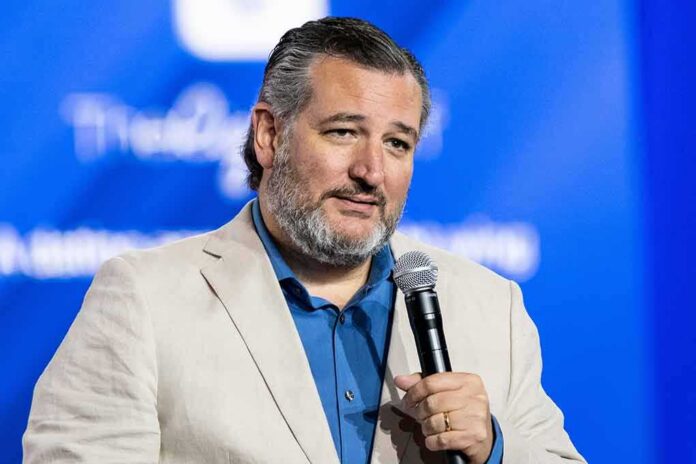
Senator John Cornyn publicly called Ken Paxton “lazy” and a “poor campaigner,” and Senator Ted Cruz fired back, saying Cornyn’s attack comes from “hurt feelings.”
Story Snapshot
- Cornyn says Paxton is “lazy,” a “poor campaigner,” and not making a strong case for election.
- Cruz rejects Cornyn’s critique, predicts Paxton will beat Democrat James Talarico.
- Recent filings show Paxton trailing Talarico in fundraising this summer.
- Donor behavior research shows money can flow to both leaders and underdogs in dynamic ways.
Cornyn’s Charge And Why It Matters
Senator John Cornyn told the Texas Tribune that Ken Paxton is a “poor campaigner,” “lazy,” and “doesn’t raise money,” adding Paxton is not making a compelling case to voters. Cornyn also said he will not help fundraise for Paxton’s Senate bid. These remarks are unusual because both men are Republicans in a high-stakes race. The comments raise a blunt question: is the party backing a nominee it believes can win in November, or bracing for blame if he loses?
Paxton’s critics point to money as a signal of campaign strength. Federal filings and local reports show Democrat James Talarico raised roughly $31.6 million in the last quarter, while Paxton reported about $9.3 million over the same period. Fundraising gaps can translate into fewer ads, field staff, and events. That means less voter contact in key regions. In a close race, those tools can decide turnout, shape opinions, and protect against last-minute attacks.
Cruz’s Rebuttal And Party Unity Risks
Senator Ted Cruz pushed back on national television and in interviews. Cruz said Cornyn’s criticism stems from “hurt feelings” after a bitter primary and argued “Ken Paxton can most absolutely win,” predicting he will be the next senator from Texas. Cruz’s support aims to rally Republican voters who feel the establishment undercuts candidates aligned with President Trump. But public fighting can depress morale, slow donations, and confuse swing voters watching the party argue with itself.
This feud follows a year of bruising clashes between Texas Republicans. Reporting throughout the cycle showed heavy spending, sharp ads, and long-standing distrust between the camps. Many voters on both the right and left see this as more proof that national figures and party insiders put their own power first. They watch leaders trade insults while everyday problems—rising costs, border chaos, crime, and health bills—get worse. Each new jab feeds a belief that the political class looks inward, not outward.
What Fundraising Really Signals
Money matters, but it is not destiny. Academic research on donor behavior shows people often give to the frontrunner when they lack other cues. When they learn who trails in cash, some shift to the underdog to keep the race competitive. That means a cash gap can narrow fast if a campaign shows momentum, clear messaging, or strong endorsements. It also means calling a candidate “lazy” based only on totals may miss how donors react to new signals late in the race.
Welker Confronts Ted Cruz About His GOP Colleague's Fiery Criticism of Ken Paxton: Do You Agree 'Paxton is Lazy?' https://t.co/wkjPBHGlMz
— Mediaite (@Mediaite) August 30, 2026
For Texas voters, two questions loom. First, can Paxton close the money gap with a sharper case on issues that hit wallets and neighborhoods? Second, can Republicans stop public infighting long enough to focus on persuading independents and turning out their base? The answer will shape control of the Senate and the balance of power on spending, immigration, and energy. It will also test whether party leaders answer to voters—or to the same insiders many Americans already distrust.
Sources:
mediaite.com, nypost.com, politicalwire.com, texastribune.org