
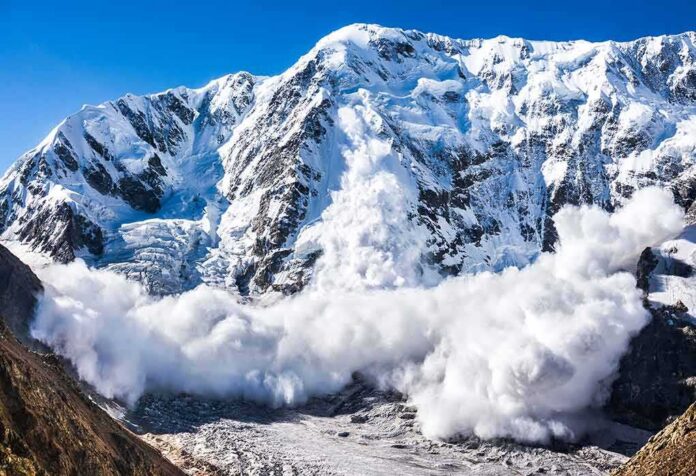
Nine skiers died in California’s deadliest avalanche on record, and new coroner reports say they all suffocated under buried snow.
Quick Take
- Officials said all nine victims in the Castle Peak avalanche died from **asphyxiation** after burial under snow.
- The National Avalanche Center report said the group moved below avalanche terrain and through the runout zone during dangerous conditions.
- The same reporting says investigators still have not pinned down whether the slide was natural or triggered by the party.
- The case has fueled fresh questions about guide decisions, group size, and how much risk backcountry skiers can really control.
Coroner Reports Explain How the Victims Died
Coroner reports released Thursday said all nine people killed in the February avalanche near Lake Tahoe died of asphyxiation after being buried by snow. The reports were partly redacted, but the basic finding was clear. The victims did not die from trauma caused by the slide itself. They died because the snow trapped them and cut off their air supply.
That detail matters because avalanche deaths can happen in more than one way, but burial is often the fastest killer. Medical experts quoted in earlier reporting said avalanches can cause suffocation, blunt-force injuries, or hypothermia, depending on the slide and terrain. In this case, the coroner’s finding points to burial as the direct cause of death for all nine victims, not impact injuries.
New Report Focuses on Route Choice and Terrain
The stronger public criticism centers on where the group traveled before the slide. ABC7 reported that the National Avalanche Center’s final report said the skiers went below avalanche terrain and through the runout zone when a natural or human-triggered avalanche was likely to very likely. That language is important because the runout zone is the area where moving snow collects after a slide starts higher up the slope.
At the same time, the report did not settle the biggest open question. ABC7 said investigators still could not tell whether the avalanche was natural or triggered by the group. Another report said the snow slab thickness, depth, and exact trigger may never be fully known. That leaves the case in a familiar backcountry gray zone: officials can describe dangerous exposure, but still not prove the exact moment the slope failed.
Why the Case Has Drawn So Much Attention
The Castle Peak disaster has become the deadliest avalanche in California history and one of the deadliest in the United States in decades. Nine of the 15 people on the trip died, including three guides from Blackbird Mountain Guides. Reports also say some victims were wearing airbag backpacks, but the devices were not deployed in time, which shows how little margin exists once a large slide hits.
The story has also tapped a broader frustration that reaches far beyond skiing. Families want clear answers, while experts can only offer partial ones. The public gets a painful reminder that outdoor risk is real, but so is the need for careful judgment when a group enters known avalanche terrain. For many readers, the deeper shock is that a planned backcountry trip ended with nine people buried, suffocated, and still surrounded by unanswered questions months later.
Sources:
nypost.com, people.com, latimes.com, theatlantic.com, youtube.com, facebook.com