Two back-to-back cyclones ripped through Madagascar in less than two weeks—wiping out basic infrastructure in a major port city and exposing how quickly a humanitarian crisis can spiral when storms don’t wait for recovery.
Quick Take
- Cyclone Fytia struck first, then Cyclone Gezani hit again days later, overwhelming response capacity across multiple regions.
- Gezani devastated Toamasina—Madagascar’s key port and second-largest city—leaving widespread housing, hospital, road, power, and water damage.
- Authorities and aid groups reported tens of thousands of homes damaged, mass displacement, and hundreds of thousands needing urgent help.
- Early warnings and pre-positioned aid helped, but funding gaps and wrecked logistics are slowing relief during a food-insecure “lean season.”
Back-to-Back Landfalls Turn a Disaster Into a National Emergency
Cyclone Fytia made landfall on February 5–6, 2026, delivering heavy rains and flooding across nine regions and 38 districts. Before communities could dry out or rebuild, Cyclone Gezani slammed in on February 10 near Toamasina, compounding damage on saturated ground and damaged roads. That rapid succession is the core problem: each storm multiplied the next storm’s effects, leaving government and aid partners chasing needs that kept expanding.
Meteorological reporting described Gezani with sustained winds around 180 km/h and gusts reaching 230–250 km/h, strong enough to tear roofs from buildings and flatten weak structures. For families already hit by flooding and displacement from the first cyclone, the second strike meant losing whatever shelter remained and watching local services collapse. When storms arrive in a tight sequence, even good planning becomes triage—protecting life first, then dealing with a growing list of destroyed essentials.
Toamasina’s Collapse Shows Why Ports and Power Grids Matter
Assessments in Toamasina described catastrophic damage—often cited as 80–90% of the city affected—with critical systems barely functioning. Reports indicated electricity availability fell to roughly 5% in places, while water systems failed, leaving residents dependent on emergency distribution and raising sanitation risks. Roads and key routes, including blocked sections of major infrastructure, complicated delivery of food, medical supplies, and shelter materials into the very areas where the need surged fastest.
Toamasina’s role as a major port changes the stakes. When a port city’s logistics, warehousing, and connecting roads are crippled, the impact is not limited to one neighborhood or even one region. Trade disruptions can worsen shortages, and damaged transport corridors slow relief convoys and repair crews. Relief officials also reported damage to humanitarian facilities, adding another bottleneck: when warehouses, offices, or staging areas are hit, aid agencies must rebuild their own operating capacity while serving everyone else.
Human Cost: Displacement, Disease Risk, and the “Lean Season” Squeeze
Authorities and humanitarian agencies reported dozens of deaths and hundreds injured, with figures varying as assessments continued. Estimates described hundreds of thousands affected and large numbers displaced, with urgent needs ranging from shelter and food to hygiene supplies and clean water. Flooding and infrastructure breakdown raise the risk of water contamination and disease outbreaks, especially when families are crowded into temporary shelters and normal clinic services are interrupted or physically damaged.
The timing also matters: the storms hit during a period often described as a “lean season,” when food insecurity can be higher even without a disaster. When markets are disrupted and roads are cut, local prices can rise and access can shrink, especially for rural communities and low-income families. Aid groups described this crisis as stretching resources and response capacity, with a significant funding gap cited for scaling assistance and staying ahead of secondary health and hunger impacts.
What Worked, What Didn’t, and What to Watch Next
Early warnings—reported to include tools like SMS alerts—plus pre-positioned food and anticipatory cash helped reduce losses and speed initial assistance. Private-sector coordination efforts were also highlighted, with platforms and companies supporting distribution of food, hygiene kits, tarps, and water-related supplies. Still, the same reports stressed that needs are outpacing deliveries, and the destruction of utilities and transport links keeps turning “aid delivered” into “aid still not reaching homes.”
A Second Cyclone Slams Madagascar https://t.co/cIYI9ocRt8 #EarthObservatory #ExtremeWeatherEvents #Floods
— Vibewire Central (@VibewireCentral) February 18, 2026
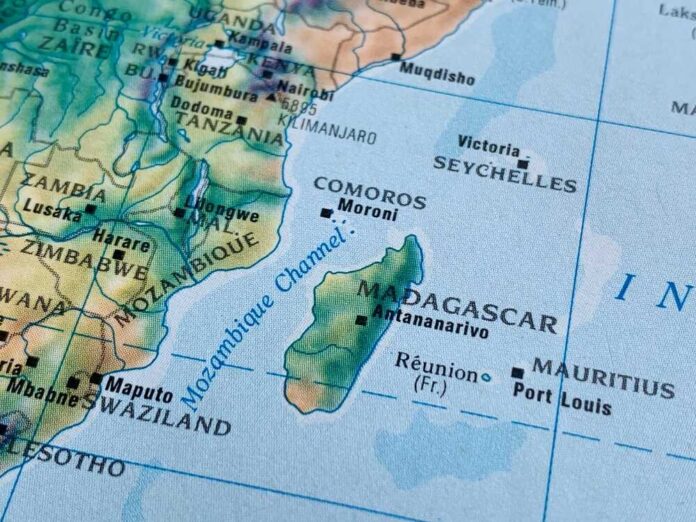
Forecasting updates also warned that the storm system’s movement into the Mozambique Channel could threaten parts of Mozambique with flooding risk, underscoring the regional nature of these weather events. For Americans watching from afar, the practical takeaway is straightforward: when governments and international institutions talk about “resilience,” it often comes down to basics—strong buildings, reliable power and water systems, functioning roads, and real accountability for where relief money goes. Without that, each new storm resets recovery to zero.
Sources:
https://www.connectingbusiness.org/ourwork/emergencies/Madagascar-Tropical-Cyclones-2026
https://www.gdacs.org/Cyclones/report_source.aspx?eventid=1001254&bulletinid=1&eventtype=TC&system=GFS
https://wmo.int/media/news/tropical-cyclone-gezani-hits-madagascar-and-threatens-mozambique
https://news.un.org/en/story/2026/02/1166956
https://zoom.earth/storms/fytia-2026/
https://rapidmapping.emergency.copernicus.eu/EMSR863/reporting