

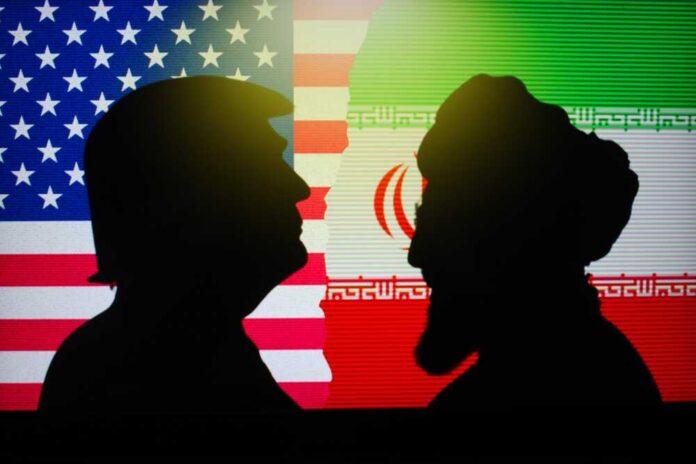
A promised U.S.–Iran truce-to-talks deal is real on paper but already wobbling in practice, exposing familiar risks for Americans and global markets.
Story Highlights
- U.S. and Iran acknowledged an electronically signed memorandum of understanding and set a 60-day window for a final deal.
- Switzerland confirmed a formal signing event at Bürgenstock, but the ceremony was postponed amid new fighting.
- Iran’s president praised the plan, yet top leadership signals and public mood show caution and doubt.
- Skirmishes and claims of violations after the signing raise questions about whether the pause can hold.
What Was Signed And Why It Matters
Senior U.S. officials said President Donald Trump, Vice President JD Vance, and Iranian Speaker Mohammad Bagher Ghalibaf electronically signed a memorandum of understanding on June 16, 2026. The framework aims to pause hostilities for 60 days and push talks toward a final agreement within that window, with a possible extension by consent. Iranian President Masoud Pezeshkian called it a historical document that allows peace without giving up independence, signaling public support from his office.
Swiss officials announced a formal ceremony at the Bürgenstock resort, chosen with help from mediators in Pakistan and Qatar, to mark the next step. The event was set for June 19, 2026, to anchor the timeline and add international backing. The plan also aimed to reopen the Strait of Hormuz as talks advanced, a key target for easing oil shocks. These steps, if kept, could cool tensions and help steady energy prices that hit family budgets.
Fragile Rollout And Delayed Ceremony
Fighting in southern Lebanon forced a postponement of the Bürgenstock signing, injecting doubt into the schedule and the ceasefire’s reach. Reports said Vice President Vance delayed travel, and future meeting sites were unclear, muddying logistics that matter for any fast-moving deal. Officials also warned that implementation would be gradual, and past talks show Iran often leans into favorable parts first, a known risk in complex bargains.
The administration promoted strong claims of reduced Iranian launch capacity, but defense channels did not back those precise numbers, creating a credibility gap that critics seized on. That gap hurts public trust across party lines already tired of spin. Many Americans see officials on both sides of the aisle promise stability, only to deliver more drift, higher costs, and new risks to service members and shippers who carry the load.
Signals From Tehran And The Street
Inside Iran, President Pezeshkian’s praise met caution from other power centers. Reports described reservations by Supreme Leader Ayatollah Mojtaba Khamenei, even as many senior figures backed engagement. Public reaction ranged from muted to skeptical, with some doubting any deal would stick or improve daily life soon. That split matters because it can slow decisions and narrow room to trade steps on nuclear limits, sanctions relief, and maritime rules.
Shortly after the memorandum of understanding, reports described new strikes and dueling claims of violations, including tensions around ship movements near the Strait of Hormuz. Those incidents undercut the idea of an immediate calm. They also raise hard questions about command and control, rules of engagement, and whether either side can prevent local sparks from burning down a fragile pause.
What To Watch Next
Clear publication of the full text would help the public judge real terms on nuclear limits, sanctions, and shipping lanes. Swiss or U.S. release after the formal signing would fill gaps that breed doubt. Independent checks on damage to Iranian launch sites and verified data from inspections would test claims of leverage and progress. Concrete proof lowers noise and forces both capitals to match words with facts.
#URGENT Trump says Iran ‘called a little while ago,’ adding that ‘they want to make a deal so badly’
— Anadolu English (@anadoluagency) July 8, 2026
For Americans watching gas prices and retirement accounts, the stakes are simple. A workable pause that reopens shipping lanes can cool energy costs. A broken pause risks more strikes, higher prices, and fresh calls for force without a plan. Voters across left and right share a concern: leaders talk tough, hold ceremonies, then blame the other side when things stall. This memorandum of understanding will be judged by results, not press lines.
Sources:
youtube.com, foxnews.com, instagram.com, abcnews.com, nbcnews.com