
A Texas judge ended a rare two-day hearing by denying a new trial and offering no written explanation.
Story Snapshot
- A retired judge rejected Karmelo Anthony’s new-trial bid after two days of witness testimony and argument.
- The fight centered on an unwritten evidence deal that the defense says shaped Anthony’s choice not to testify.
- The original trial judge was removed for comments praising the jury’s verdict, raising impartiality concerns.
- Prosecutors say troubling texts existed but were kept from jurors under the disputed agreement.
Denial After Two-Day Hearing
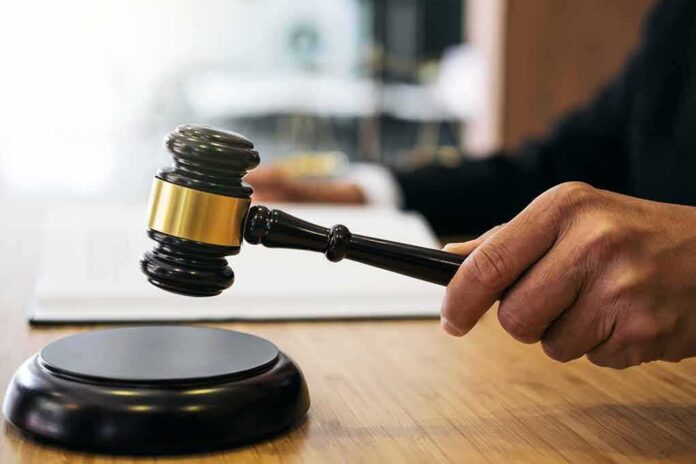
Retired District Judge Michael Chitty denied Karmelo Anthony’s motion for a new trial after a two-day evidentiary hearing in McKinney. Reporters said the ruling came in a brief, half-page order with no detailed reasoning. The hearing included live testimony and a review of records and legal briefs. That scope shows the court took the claims seriously before ruling against Anthony. The defense now shifts to the formal appeals track already in motion through Collin County filings.
Coverage said Anthony’s team argued that courtroom limits and proceedings held without him broke due-process rules. Those claims sat beside the core dispute over an unwritten evidence deal. The court heard from prior defense counsel and considered what prosecutors said they would do if Anthony testified. The judge’s short order leaves both sides waiting for an appeal to test the legal standards on prejudice and fairness.
Disputed “Handshake” Evidence Deal
The defense says a “gentlemen’s agreement” kept broad character evidence away from jurors. Former defense lawyer Mike Howard reportedly testified he believed Anthony could take the stand if he stayed focused on the track meet fight. He said prosecutors later warned the defense had “opened the door” and the agreement would not protect Anthony if he testified. Court TV reported the state first proposed a “clean” trial focused on the tent incident, not on past behavior.
Prosecutors, for their part, have said the agreement never covered Anthony’s own testimony. They argued that if he took the stand, the state could use prior conduct or messages to impeach. That clash over terms matters because it likely guided the defense’s decision to rest without Anthony’s testimony. Without a written record, the issue turns on who said what, when, and how that changed trial strategy. The judge’s denial suggests the record did not show enough prejudice to grant a new trial.
Texts The Jury Never Saw
Prosecutors said Anthony’s phone held texts about stabbing and a message sent the morning of the killing that hinted he was “on the verge.” They also cited a disturbing fantasy about licking blood off a blade. Reporters said jurors did not see those messages because of the evidence deal. The state argues both sides benefited by keeping damaging background claims away from the jury, including material about the victim’s twin.
This is where public anger often spikes. People hear “hidden texts” and assume a cover-up. But rules of evidence exist to keep trials on what happened, not who seems “bad.” If a defendant testifies, the state can sometimes bring in other facts to test credibility. That is why the dispute over the deal’s scope had real stakes. The court still found no basis to reopen the case after weighing the hearing record.
Judge Recusal And Appearance Of Fairness
Before the hearing, Senior Judge Sid Harle removed the original trial judge, John Roach. Roach had publicly said the jury “got it right.” That kind of remark can raise doubts about fairness, even if the verdict stands. National outlets reported the recusal and quoted Roach’s comments. Removing him aimed to protect confidence in the process, but it did not change the trial record already made before a jury.
Source: ABC News Karmelo Anthony denied new Trial https://t.co/kzcGVGj92E
— RALPH COOPER (@RalphSOFKCOH) August 23, 2026
This case taps a broad concern shared by many Americans: the system feels stacked, slow, and opaque. Conservatives see secret deals and shifting rules. Liberals see power deciding outcomes before evidence is weighed. Here, a young man is dead, another faces decades, and a key fight turned on an unwritten deal. That is a hard sell in any courthouse. The appeals court will now decide whether the hearing showed a legal error that likely changed the verdict, which is a high bar.
What Comes Next On Appeal
Anthony has already filed his notice of appeal and asked for appointed counsel. The appeal will likely focus on two issues. First, whether the state’s position on the unwritten deal forced Anthony to give up his right to testify. Second, whether courtroom and attendance limits broke due process. To win, the defense must show a legal error and real harm to the verdict, not just a bad look. That standard defeats many new-trial bids every year.
Sources:
townhall.com, washingtontimes.com, youtube.com, nypost.com, facebook.com, abcnews.com