California’s front-running candidate for governor is limiting press access and delaying debate commitments while the clock ticks toward Election Day.
Story Snapshot
- Xavier Becerra has gone weeks with little media access since the June primary.
- Becerra says he will debate Steve Hilton but has not set dates or number of debates.
- Steve Hilton says Becerra is dodging debates and press questions, citing multiple invites.
- Becerra’s team says debate talks are active and dates will be announced soon.
Becerra’s Low-Access Strategy Draws Scrutiny
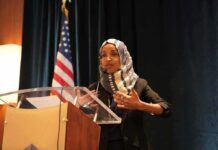
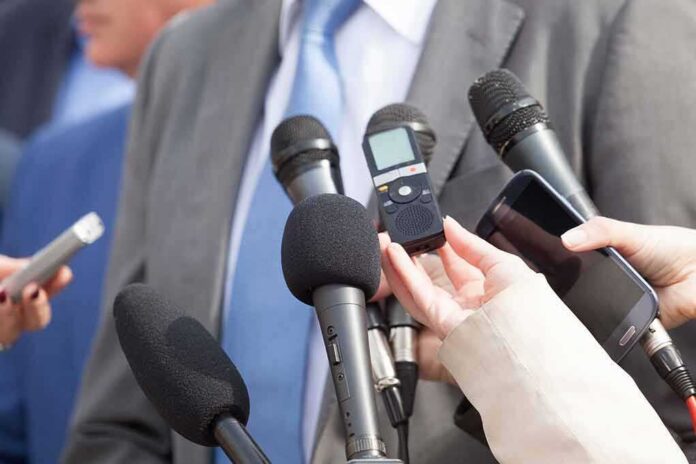
ABC10 reported that Xavier Becerra has had limited media availability since the June primary and left a Capitol event without taking questions. His campaign confirmed his last press availability was June 9. Steve Hilton called this approach an insult to voters. These details support what voters are seeing on the trail: fewer open press moments with the front-runner and growing pressure from his opponent to engage in unscripted exchanges.
The New York Post wrote that Hilton says Becerra has avoided at least eight debate invitations. The report also said Becerra had not yet committed to any one-on-one debates with Hilton. A campaign spokesperson said the team is negotiating debate schedules with networks and plans to announce dates soon. That confirms debates are expected, but the timeline and format remain unclear to voters and media.
Becerra Says Debates Will Happen — But When?
Becerra told reporters he will debate Hilton. He did not say when or how many times those debates will occur. The gap between that pledge and a firm schedule fuels the criticism that the campaign is running out the clock. For voters who want to compare plans on housing costs, public safety, and schools, the lack of firm debate dates keeps the focus on process rather than policy substance.
The Los Angeles Times described earlier primary debates where rivals pressed Becerra on his record and accused him of dodging direct answers. Those clashes preview how a general election debate could look and why a front-runner might limit risk by narrowing exposure. Campaigns weigh benefits against pitfalls, but voters across party lines often see limited access as a sign of detached leadership, not strategic discipline.
Why Access Fights Matter Beyond This Race
The Carter Center’s election standards say candidates should have fair access to media and open debate. Real campaigns rarely meet that ideal, but the standard exists to help voters judge leaders side by side. When debates lag or press access shrinks, the public gets fewer chances to test each claim. That fuels a shared concern on the right and left that the political class protects itself from hard questions.
Scholars who study media access say front-runners often limit risk by lowering exposure, especially if they expect hostile coverage. That strategy can help a candidate protect a lead, but it can also backfire if voters view it as hiding. In a high-stakes governor’s race, the best guardrail is sunlight: set clear debate dates, take live questions, and let voters see how each candidate handles pressure and detail on core issues.
What To Watch Next
Watch for a public, detailed debate calendar with agreed moderators, topics, and rules. Look for open press gaggles after events, not just set-piece speeches. Track whether both campaigns accept multiple debate invitations across regions and formats, including Spanish-language media. If the schedule remains vague through early voting, expect louder criticism that the process favors insiders over citizens. Clear dates and real questions would signal respect for voters — and reduce cynicism that the game is rigged.
Sources:
nypost.com, pomona.edu, sacbee.com, fresnobee.com, latimes.com