
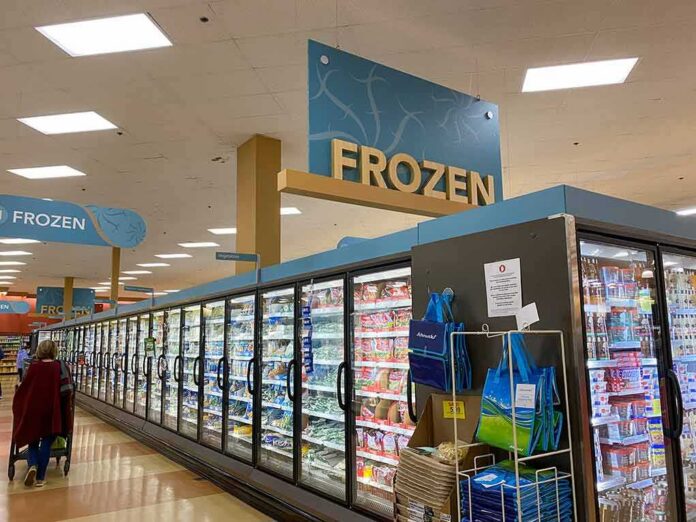
Supermarket freezers in Sweden were remotely reset toward oven-like temperatures, forcing food dumps and urgent probes into who gained access and how.
Story Highlights
- ICA and Coop reported freezer and fridge disruptions at multiple Swedish stores.
- An ICA store said its units were “hacked” and set to about 50°C, ruining stock.
- Sweden’s national cybersecurity centre is working several related incidents.
- Similar cases hit retailers in Belgium and Luxembourg the same week.
What Swedish Grocers Reported Happened
ICA and Coop said a number of stores saw sudden refrigeration failures overnight, with systems showing high temperature settings they could not change back right away. ICA described a limited set of impacted locations, while Coop reported disruptions at several shops out of more than 800 nationwide. Staff moved fast to secure food safety and threw out items that were no longer safe to sell. Retailers said normal shopping continued at most sites while checks and fixes took place.
An ICA Kvantum store in Sjöbo posted that its refrigerators and freezers were “hacked” and set to 50 degrees, and said the affected goods were discarded. A store manager in the same town described hot air blowing into the freezers and losing control of setpoints, which spoiled inventory. Reported figures varied, with some accounts citing 50 degrees Celsius, others 55 degrees, and one using 122 degrees Fahrenheit, but all described heat far above safe storage levels.
Why Authorities See A Coordinated Pattern
John Billow, who leads Sweden’s national cybersecurity centre, said the centre is handling several incidents at grocery stores across the country that involve refrigeration systems. The timing matched reports from Belgium and Luxembourg, where supermarkets also faced sudden temperature spikes and food losses. This cross-border pattern supports the view that someone remotely altered industrial controls, a tactic seen in other recent European cases that targeted connected store equipment rather than customer data.
Security experts say many refrigeration systems are now online for remote monitoring and service, which can expose control panels to the public internet if not well protected. Older controllers can be hard to update, since patches may require taking equipment offline, leaving a long window for attackers to try default passwords or known bugs. In past European incidents, attackers reportedly changed setpoints on supervisory controllers, breaking the cold chain and forcing product disposal across many stores.
Impact On Shoppers, Workers, And Trust
Store teams spent hours checking cases, tossing unsafe food, and resetting systems to safe ranges. Managers focused on getting back to normal, but they did not share full loss totals. Reports did not include an official nationwide figure for spoiled goods in Sweden, and counts of affected stores differed across outlets for Coop and ICA. What customers mostly saw were taped-off aisles or empty cases in a few locations, while most stores stayed open and restocked from safe inventory.
🚨 EUROPE UNDER CYBERATTACK: Hackers have targeted supermarket refrigeration systems across multiple European countries.
Freezers and refrigerators reportedly reached temperatures as high as 50°C, forcing stores to throw away spoiled food.
Belgium, Sweden, Ireland, Luxembourg,… pic.twitter.com/EhKSurqn5z
— Breaking News (@dmoritz08151) November 3, 2026
These events highlight a larger worry shared by both sides of American politics: vital systems are connected, but not always secure. When basic infrastructure fails, regular people pay the price at the checkout line. Whether you blame underinvestment, vendor shortcuts, or lax oversight, the pattern looks familiar. Powerful players connect gear to save costs, but they do not always lock it down. Then front-line workers and families deal with the fallout while officials promise to study the problem.
What To Watch Next
Investigators will look for how access was gained, whether through exposed web panels, weak credentials, or a shared vendor pathway. Grocers will review remote access, change default passwords, and add network blocks where possible. Shoppers should expect stores to dispose of any at-risk items and verify temperatures before restocking. Authorities have not named any attacker or a single root cause. But they say the work is active, and they are treating the refrigerator cases like critical infrastructure, not gadgets.
Sources:
nbcnews.com, fidelity.com, bbc.com, apnews.com, live.euronext.com, economictimes.indiatimes.com