

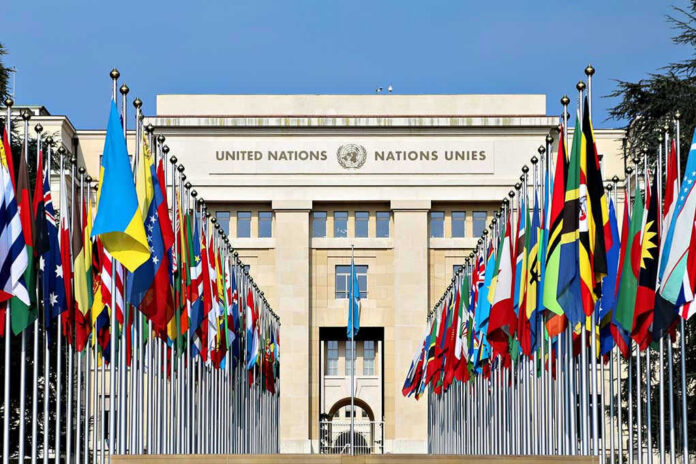
The United States forced a recorded United Nations vote and then abstained, drawing a hard line that “there is no international right to abortion” and that “gender” means only male and female.
Story Snapshot
- U.S. pushed amendments to narrow abortion and gender language, then abstained on the final text.
- Resolution still passed widely; Somalia voted no, several countries abstained.
- U.S. said “gender” refers to the two sexes and warned against creating new rights by vague terms.
- Allies argued sexual and reproductive health language is vital for survivors’ care.
What Triggered the Clash at the United Nations
United States diplomats challenged an European Union-backed draft that addressed violence against women and girls. They targeted phrases like “sexual and reproductive health” and “safe abortion.” They proposed amendments to add that policies must follow national law and to tighten the meaning of gender. The United States Mission said it could not join consensus and abstained, stating there is no international right to abortion and that “gender” means only male and female. Human Rights Watch said member states rejected the U.S. qualifying amendments.
The final committee vote showed strong support for the resolution itself, but not for the U.S. edits. Reports say Somalia voted against it, while the United States and others abstained. The United States framed its stand as defense of national authority over abortion rules and clarity on contested terms. Supporters of the broader language argued it reflects care needs for survivors, including access to services across the full spectrum of reproductive health where legal.
Why Words Like “Gender” and “Sexual and Reproductive Health” Matter
United Nations resolutions are not binding laws, but their wording shapes expectations. These phrases can guide aid programs, future talks, and how agencies set priorities. That is why both sides fight over a few lines of text. Research shows this tug-of-war has grown in recent years. Diplomats often leave terms broad to keep coalitions together, but that also raises fears that vague words can morph into new norms over time.
U.S. officials say clarity protects sovereignty and prevents back-door lawmaking by global bodies. They argue that “sexual and reproductive health” has been used to imply an abortion right in practice. Their statement rejected that idea outright and demanded that gender mean biological sex only. Human Rights Watch countered that the committee rejected the U.S. edits and adopted texts with broader rights language, including on trafficking, signaling resistance to narrowing terms across files.
How Different Countries Explained Their Votes
New Zealand, speaking for Australia, Canada, Iceland, Liechtenstein, Norway, Switzerland, and itself in a prior cycle, backed comprehensive sexual and reproductive health language. They said it meets real needs of survivors and helps save lives. They also opposed deleting that language outright. That argument reappeared in this year’s debate as governments cited medical standards and survivor care to defend the broad terms. The split shows rich democracies do not agree on how far the language should go.
Media and regional outlets recorded that Somalia voted no and that the United States, Russia, and other countries abstained, reflecting the divide over abortion and gender terms inside a resolution that otherwise targeted violence against women. This pattern fits a wider global struggle over gender policy and family norms, with some states pushing to lock terms to biology and national law, and others invoking rights frameworks to keep definitions broad.
What This Means for Americans Watching From Home
Americans across parties are wary when far-off bodies shape rules that affect daily life. People on the right see mission creep that could pressure states on abortion and school policies. People on the left worry that narrowing language can strip care from victims and roll back hard-won rights. This vote shows why trust is thin. Leaders often fight over words while street-level problems, like violence, addiction, costs, and broken services, grind on at home.
UN resolution on violence against women:
175 countries voted yes
1 voted no (Somalia)
6 abstained, including the United StatesThe U.S. objected to “safe abortion” language and said “gender” means only male and female pic.twitter.com/KFsvvhvTMP
— The Watchdog (@TheWatchdoggs) November 19, 2026
For now, the United States put down a clear marker. It said that abortion policy belongs to nations, not to the United Nations, and that gender means male and female. The committee kept broader language anyway, and the resolution advanced. Expect this battle to continue in New York and in capitals worldwide. The terms set today can steer money, training, and programs tomorrow. Voters who want local control will see a warning. Advocates for wider care will see a needed guardrail.
Sources:
usun.usmission.gov, c-fam.org, text.hrw.org, horseedmedia.net, allydaily.com