
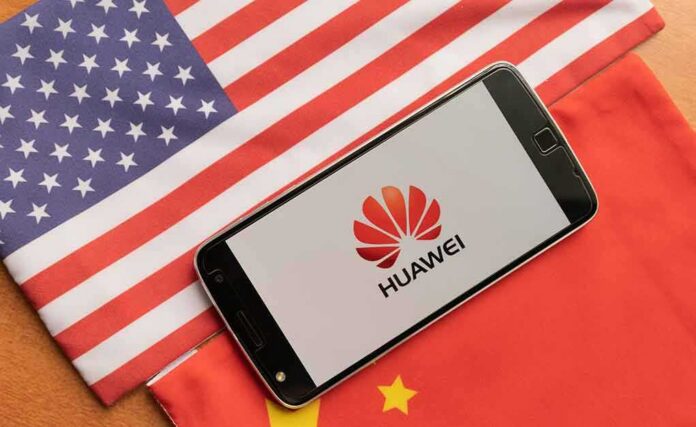
A U.S. jury found Huawei and three subsidiaries guilty of stealing American technology and deceiving banks to dodge Iran sanctions, marking a rare criminal conviction of a global tech giant.
Story Snapshot
- A Brooklyn federal jury convicted Huawei and three subsidiaries on fraud, sanctions, money laundering, and trade-secret charges.
- Prosecutors said the scheme hid Iran business from banks and misused U.S. technology from American firms.
- The jury acquitted on racketeering, but guilty counts still carry major legal and business risks.
- The case fits a broader U.S. push to protect technology and enforce sanctions in the U.S.-China tech rivalry.
What The Jury Decided And Why It Matters
Federal prosecutors won guilty verdicts against Huawei Technologies and three subsidiaries after a twelve-week trial in the Eastern District of New York. Jurors found the companies committed bank and wire fraud, conspired to steal trade secrets, laundered money, and violated Iran sanctions under the International Emergency Economic Powers Act. The verdict confirms the government’s core theory: Huawei deceived global banks about Iran ties and took sensitive know-how from U.S. companies to grow its business unfairly.
The jury cleared the companies of racketeering conspiracy but convicted on ten other counts. That mix underscores how U.S. cases often pair sanctions, fraud, and intellectual-property charges to show a linked pattern of conduct. The racketeering acquittal narrows the story, but the remaining crimes still carry heavy penalties and compliance fallout. The convictions also harden a line other allies have taken to limit Huawei’s role in critical networks and technology supply chains.
How Prosecutors Said The Scheme Worked
Prosecutors told jurors Huawei misled banks by masking its control over an Iran-facing affiliate, which let the company move money and services that sanctions should have blocked. They said the company and units targeted trade secrets from American partners and rivals, then laundered proceeds through complex channels to hide the activity. The trial record cited examples from device and network projects, linking confidential information to commercial gains that would have been hard to reach by legal means.
The Department of Justice framed the case as a warning to firms that mix sensitive markets, restricted technology, and opaque financing. By bringing charges that touched trade secrets, financial deception, and sanctions policy, the government argued that threats to national security and fair markets often arrive together. That approach reflects a yearslong shift to treat technology security and economic enforcement as parts of the same fight, especially where Chinese firms seek U.S. know-how and global dollar access.
What Comes Next For Huawei, Banks, And Tech Firms
Sentencing and possible appeals will take months. In the meantime, banks and suppliers will reassess ties with Huawei, weighing legal risk against sales. Risk teams will likely tighten due diligence on third-party distributors, research partnerships, and payment flows that touch sensitive markets. Companies with old non-disclosure deals will review access logs and exit plans. Firms that kept Huawei at arm’s length may feel vindicated, while others could retreat to avoid fresh exposure under sanctions and fraud rules.
A federal jury in New York convicted Huawei and three of its subsidiaries of bank and wire fraud, money-laundering conspiracy, U.S. sanctions violations and conspiracy to steal trade secrets, per the Justice Department. The verdict came Nov. 24 after a three-month trial.…
— Aaron Harme (@Aaron_Harme) November 25, 2026
For American workers and small businesses, the message is clear: the government can still punish large players that bend rules to win. For many voters on the right and the left who feel elites play by different rules, this verdict shows that a well-built case and a jury can check powerful interests. Yet the deeper concern remains: protecting U.S. innovation is a marathon. One courtroom win cannot on its own fix weak export controls, slow agency coordination, or gaps in protecting small inventors from misuse.
The Bigger Picture: Technology, Sanctions, And National Power
Since 2019, U.S. policy has aimed to curb Huawei’s access to advanced chips and software, while allies moved to limit its gear in core networks. This verdict cements a legal record behind that policy pressure. It also signals that sanctions on Iran still have bite when banks and suppliers help enforce them. For Washington, the case adds leverage in debates over funding enforcement, closing loopholes, and aligning allies on standards that shape the future of 5G, cloud, and artificial intelligence tools.
Americans who worry about high costs, lost factory jobs, and vanishing trust should care about this case. Trade-secret theft can drain years of research from smaller shops and raise prices for honest firms. Bank deception can shift risks onto U.S. taxpayers when things go bad. Sanctions evasion can fund hostile regimes and put troops and allies at risk. Clear rules, even-handed enforcement, and faster civil remedies can help protect both liberty and livelihoods in a dangerous world.
Sources:
theamericanconservative.com, justice.gov