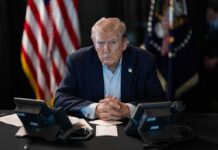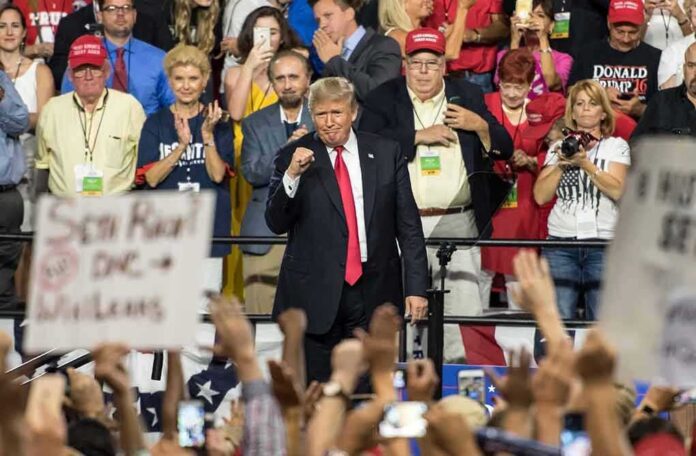
Republicans are making the 2026 midterms a two-night showcase for President Trump, turning Dallas into a national test of base-first politics.
Story Snapshot
- Republicans scheduled a first-ever midterm convention in Dallas with Trump headlining both nights.
- Party leaders branded the event a Trump-centered mobilization to boost turnout before November.
- News reports describe the push as high-risk, citing Trump’s broad unpopularity in polls.
- Democrats plan to counter with affordability messaging and Trump-focused ads.
GOP Builds Midterm Push Around a Two-Night Trump Spotlight
Republicans set a first-of-its-kind midterm convention for September 9–10 in Dallas and put President Trump at the center. Reuters reported Trump would headline both nights after his role expanded from a single closing speech. Party leaders said the goal was to rally support for candidates before November. The plan aims to pull national attention to a midterm calendar that often struggles to break through. The event is designed as a voter and volunteer springboard into the final stretch.
Republican National Committee leaders framed the Dallas gathering as a Trump-branded mobilization. NPR described the setup as a “Trumpapalooza,” a label the party chair used often, with Trump as the star both nights. Reuters said party strategists are betting Trump can energize core supporters even as polls show he is broadly unpopular. The choice signals a clear theory: turnout from loyal voters can outweigh swing hesitation if attention and energy rise in key districts.
Why Republicans See Trump as a Turnout Engine
Trump and allies argue he moves people who might otherwise stay home. In June, Reuters noted Republicans believe Trump’s presence can drive base participation that keeps House and Senate control. The Republican National Committee also billed the Dallas meeting as the party’s largest convention in a decade and opened parts of it to the public to widen engagement. Trump cast the event as a rally for “hardworking Americans” and job creators, linking the show to growth and optimism messaging.
The move fits a broader pattern in national politics. Parties lean on base activation when the electorate is polarized and attention spans are short. That approach can raise donations, volunteers, and media reach, which party groups need late in a cycle. But it also raises a familiar risk: the same figure who excites loyalists can push away moderates in swing areas. Reuters described Dallas as both a rally and a rescue mission, hinting at the high stakes for November.
The Risks: Candidate Distance, Voter Backlash, and Message Clutter
Several reports say fewer than half of Republicans in competitive races planned to join the Dallas lineup, showing uneven buy-in from the very campaigns the event is meant to help. That split creates a visibility dilemma. Candidates must choose between sharing the stage with Trump to gain energy or keeping distance to avoid alienating moderates. Reuters underlined another risk: Trump’s broad unpopularity in polls could cap persuasion gains even if base turnout rises.
National attention on Trump can also crowd out local issues. Down-ballot candidates often need time to talk about district needs such as jobs, safety, and energy costs. A Trump-first schedule makes that harder. Reuters called the Dallas push a “rally and rescue mission,” which signals the party is trying to change the narrative more than lock in a lead. If turnout boosts do not convert into votes in key suburbs, the gamble could leave Republicans exposed in close races.
Democratic Response Centers on Costs and Contrast
Democrats say they will lean into affordability while using Trump’s words as contrast points. PBS reported Democrats plan to feature clips of Trump’s economic comments in ads and argue Republicans have not delivered for everyday families. The Guardian quoted Senate leaders saying Democrats will focus on lowering costs while casting Republicans, led by Trump, as focused on other priorities. This aims to meet voters on bills, rent, and groceries while tying Republicans to a polarizing national brand.
The first ever GOP Midterms Convention starts tomorrow and Pres Trump has a low approval rating. Do GOP candidates need to embrace him or distance themselves? RNC Chair stops Joe Gruters stops by and chimes in #RNC @JoeGruters #Midterms #midtermsconvention pic.twitter.com/h7yEIMOwhz
— Blake Burman (@BlakeBurman) September 8, 2026
Democrats also see strategic upside in the Republican choice. If Republicans embrace Trump, Democrats can press a clear link between him and local candidates. If Republicans keep distance, they risk angering core Trump voters. Reuters noted some Democrats worry that focusing too much on Trump could distract from the affordability pitch, yet they believe voters rate Democrats better on cost-of-living concerns. Both parties are gambling that their message will match what voters feel at home and at work.
Sources:
pjmedia.com, npr.org, aljazeera.com, texastribune.org, en.wikipedia.org, nytimes.com, yahoo.com