
A Senate committee voted along party lines Thursday to hold Dr. Anthony Fauci in contempt of Congress after he refused to answer questions more than 100 times, even though he already holds a pardon.
Story Snapshot
- The Senate Homeland Security and Governmental Affairs Committee, chaired by Rand Paul, voted to hold Fauci in contempt of Congress.
- Fauci invoked his Fifth Amendment right against self-incrimination 111 times during a subpoenaed hearing on the COVID-19 pandemic response.
- Paul argues a pardon Fauci received should have removed his Fifth Amendment protection, making his silence unlawful.
- The committee is sending the matter to the Justice Department, though enforcement is not guaranteed.
- Republican Senator Ron Johnson obtained a copy of Fauci’s phone from the Trump administration ahead of the vote.
Committee Votes to Hold Fauci in Contempt
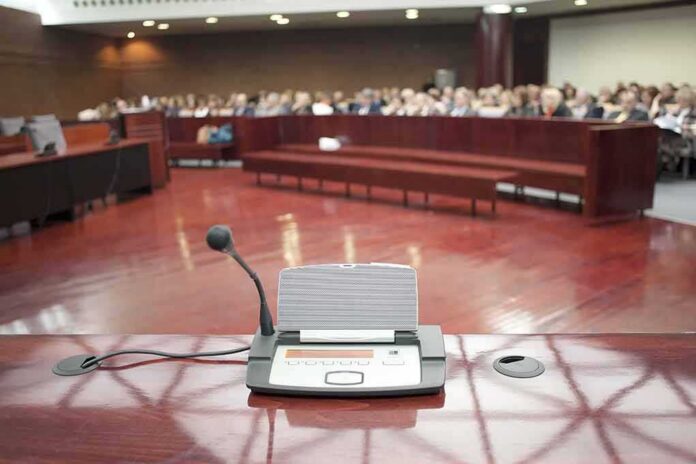
The Senate Homeland Security and Governmental Affairs Committee voted Thursday morning to hold Dr. Anthony Fauci in contempt of Congress. Chairman Rand Paul announced the resolution after Fauci appeared under subpoena and would not answer lawmakers’ questions. Paul’s office said Fauci “appeared under subpoena and invoked the Fifth Amendment to refuse answering questions” during the hearing.
Fauci, 85, led the country’s response to COVID-19 for years as the government’s top infectious disease official. He has since retired from government service. The hearing focused on his handling of the pandemic, including decisions about lockdowns, mask guidance, and the origins of the virus.
Why Fauci Refused to Answer
Fauci pleaded the Fifth Amendment 111 times during the hearing, according to Fox News reporting, declining to answer nearly every question senators asked him. The Fifth Amendment protects people from being forced to give testimony that could be used against them in a criminal case. Lawmakers on the panel said his repeated refusals amounted to stonewalling a lawful congressional investigation into how the pandemic was managed.
Senator Ron Johnson, a member of the committee, said Wednesday night he had gotten a copy of Fauci’s phone from the Trump administration before the vote. Johnson framed the device as new evidence backing the push to hold Fauci accountable for his answers, or lack of them, during the pandemic years.
The Pardon at the Heart of the Fight
Paul’s committee argues Fauci’s silence does not add up because he already received a pardon covering his government work. If someone cannot be prosecuted for an act, the reasoning goes, they cannot claim the Fifth Amendment to avoid answering questions about it. Fauci’s team has not laid out its full legal argument publicly, but wire service reporting notes the legal effect of the pardon on his Fifth Amendment claim remains disputed.
That disagreement matters because it will shape whether any contempt referral holds up. A pardon protects someone from being charged for specific acts, but legal experts have long debated whether it also strips away the right to stay silent about those same acts. This case could become a real test of that unsettled question.
What Happens at the Justice Department
The committee’s vote does not put Fauci in jail or force him to talk. It refers the matter to the Justice Department, which then decides whether to pursue criminal charges for contempt. Congress has held witnesses in contempt many times over the years, but the Justice Department has often declined to act, especially when the executive branch and Congress are not aligned on the underlying dispute.
That history is why some observers doubt this contempt push will lead to real consequences for Fauci. Congress can vote to condemn a witness’s conduct, but actually punishing that conduct depends on prosecutors choosing to move forward, a step that is far from automatic even when a committee votes unanimously along party lines.
A Bigger Test for Congressional Oversight
This fight is bigger than one retired scientist. It is really about whether Congress can force answers out of former officials once they’ve left government and secured legal protection. Many Americans on both sides of the political divide already doubt Washington holds anyone accountable, and this case will test whether that suspicion is deserved or whether the system still has teeth when powerful officials refuse to cooperate.
Sources:
cnn.com, npr.org, hsgac.senate.gov, washingtonpost.com, foxnews.com