

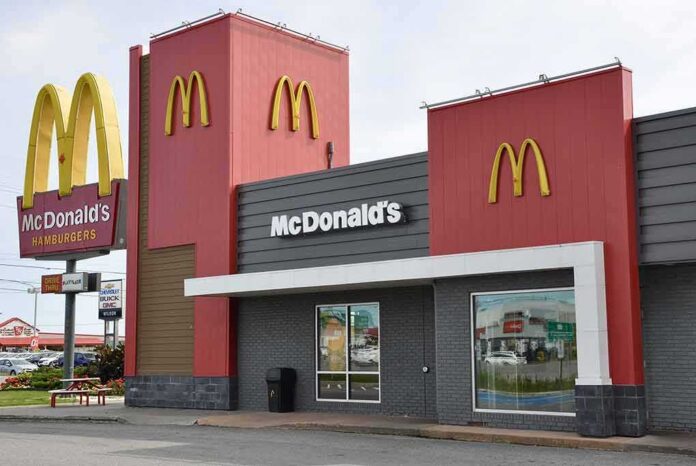
A new lawsuit says McDonald’s used artificial intelligence to steer prices nationwide, raising the cost of a simple meal through a centralized data system.
Story Snapshot
- A proposed class action filed in Chicago alleges algorithmic price coordination across nearly 14,000 U.S. restaurants.
- The complaint says a central tool used nonpublic, store-level data to generate “optimal” prices for local markets.
- McDonald’s denies the claim and says franchisees set prices and the tool only recommends, not mandates.
- The case ties into a wider debate over algorithmic pricing and antitrust, echoing the RealPage rental lawsuit.
The Allegation: Central Data, Local Prices
Reuters reported that a consumer sued McDonald’s in federal court in Chicago on October 2, 2026, seeking a nationwide class action over alleged algorithmic price-fixing. The complaint claims McDonald’s gathered nonpublic, store-level sales and pricing data, then used a central platform to suggest prices across restaurants that otherwise compete in the same market. The filing says the system analyzed millions of daily transactions across almost 14,000 U.S. locations to produce location-specific “optimal” prices.
The lawsuit argues that this setup crossed a legal line by coordinating prices among independent franchisees. It says McDonald’s policed or pressured franchisees to follow the tool’s price recommendations, even though about 95 percent of its U.S. restaurants are independently owned. The plaintiffs seek class status, damages, and a court order to stop any agreements or practices that restrict competition, positioning the case as a test of algorithmic coordination in a franchise system.
McDonald’s Response: Recommendations, Not Mandates
McDonald’s rejects the core claim. The company says “artificial intelligence does not set the price of a Big Mac or any other menu item” and that franchisees decide prices at their restaurants. The company describes the pricing portal as optional and designed to help owners make informed decisions for local markets. It says the tool does not automate, coordinate, or fix prices, and calls the allegations speculative and uninformed in early coverage of the case.
This dispute turns on evidence that is not yet public. Reports reference Reuters’ prior investigation to describe how the system works, but the docket, exhibits, technical specifications, and internal records are not available in the public record summarized so far. Without those materials, it is hard to verify whether franchisees were required to use the tool, whether they could ignore recommendations without penalty, or how often actual prices matched suggested prices over time.
Why It Matters: Algorithms, Antitrust, and Everyday Bills
The legal theory echoes a separate federal case against RealPage, where the Department of Justice alleged landlords shared nonpublic rent data with a central platform that then shaped rents across local markets. That case helped define a new frontier: when a shared algorithm can replace competition with quiet coordination. The McDonald’s lawsuit asks whether a similar pattern can occur in fast food, where small price changes hit family budgets every week.
For many Americans, this fight lands in a broader trust gap. People on the right and left worry that powerful players use tech and data to squeeze consumers while hiding behind buzzwords. If discovery shows a central system nudged prices higher across towns, that would feed concerns that the game is rigged. If the evidence shows flexible, owner-led pricing, it would show how rumors can race ahead of facts. Courts will need clear data, not slogans, to sort that out.
What To Watch Next
Watch for the court to release the complaint and any early motions that detail how the tool works and how franchisees used it. Key questions include whether franchisees saw competitor-shaped inputs, whether McDonald’s tracked compliance, and whether prices rose more in locations that used the tool than in those that did not. Answers to those questions will decide if this is normal analytics, like many industries use, or unlawful coordination dressed up as artificial intelligence.
Sources:
thegatewaypundit.com, reuters.com, rmb.reuters.com, claimdepot.com, americanbar.org