Arizona’s attorney general vowed to block a U.S. Postal Service rule that conditions ballot delivery on states handing over voter lists and ballot barcodes, raising a 2026 showdown over who runs elections.
Story Snapshot
- Postal Service plan ties mail-ballot handling to state voter lists and unique barcodes.
- States and civil rights groups say the rule overreaches and risks voter disenfranchisement.
- Courts have issued mixed orders, creating uncertainty heading into the 2026 midterms.
- USPS says it seeks security and tracking without judging voter eligibility.
What The USPS Rule Would Do
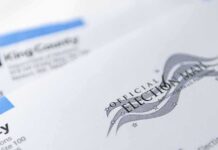
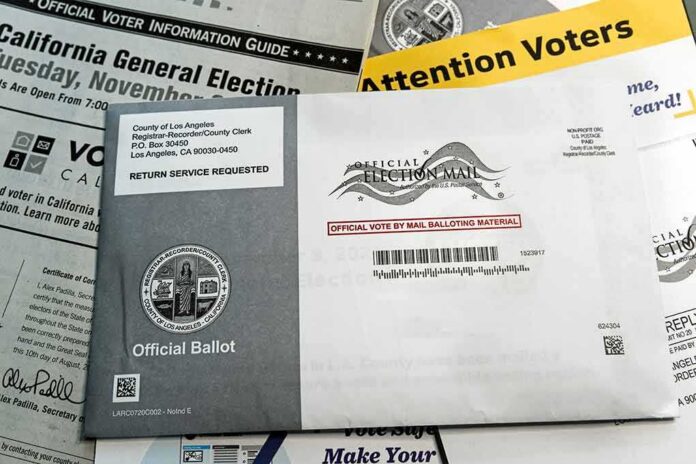
The U.S. Postal Service proposed rules to require states to give it lists of voters who receive mail ballots and to use serialized barcodes on ballot envelopes. The agency says barcodes and data would help it track ballots, check compliance with federal law, and aid law enforcement. USPS also says it would not open ballots or record party data, and postal workers cannot inspect sealed mail.
USPS defends the plan as a security and transparency step. The agency says the system would improve tracking and reduce fraud risk, while leaving voter eligibility decisions with state officials. Officials also said they would not compare data to voter rolls or decide who can vote. Supporters argue unique identifiers let the system count ballots sent and returned by Election Day, improving confidence.
Why States And Advocates Are Pushing Back
Twenty-three states and Washington, D.C., sued to stop the rule. They argue USPS is a mail carrier, not an election administrator, and that the rule intrudes on state control of elections. They warn new envelope formats, portal uploads, and federal review could disrupt mail voting or block ballots if states do not comply. A federal judge earlier found proposed restrictions violated a settlement that required expedited ballot handling.
Civil rights groups say conditioning ballot delivery on federal data sharing risks disenfranchising lawful voters. They argue the rule could slow processing and create confusion close to an election. Some experts call this an attempt to shift USPS from neutral carrier to a gatekeeper in election logistics, a change that invites constitutional and administrative law challenges. Lawsuits seek to prevent any refusal to deliver ballots based on state data sharing.
The Legal Whiplash Before November
Federal courts have issued split decisions, adding to voter concern. One judge blocked parts of the plan, saying USPS could not deny ballots in states that do not turn over voter rolls. An appeals court later allowed USPS to move forward for now, pending further review. Another court criticized the agency process but declined to block a final rule immediately. The result is a live fight with rules that could still change.
USPS has told policymakers it will move ballots under whatever rule is in effect when ballots go out. That means court orders in the coming weeks will decide what standards apply. If the rule takes effect, states must share voter lists for mail ballots and adopt unique barcodes and specific envelopes. If courts block it, current state-run systems will continue without the new federal data pipeline.
Why This Matters To Voters On Both Sides
Election trust is already thin. Many conservatives want tougher checks against fraud, while many liberals fear new rules will block eligible votes. Both sides share a deeper worry that powerful agencies change rules late and leave citizens in the crossfire. This fight centers on control: do states set mail-ballot rules, or can a federal carrier set conditions for delivery that shape who gets a ballot and when.
Arizona’s defiance reflects a broader trend of states resisting federal reach into election systems. Voters should check local guidance for mail voting deadlines, envelope rules, and tracking options. Watch for court updates that could change procedures close to Election Day. The bottom line is simple but serious: clear, stable rules help honest voters and honest counts. Last-minute shifts from Washington or the courts can shake public trust most of all.
Sources:
conservativeinstitute.org, cnbc.com, aclu.org, theguardian.com, reuters.com, upi.com, whitehouse.gov, abcnews.com, responsivegov.org, brookings.edu, votingrightslab.org, about.usps.com, cnn.com