President Trump publicly rejected Iran’s seven-day plan to reopen the Strait of Hormuz and end fighting, while saying talks with Tehran could still continue this week.
Story Snapshot
- Trump said, “I rejected their deal,” arguing Iran asked for major U.S. concessions first.
- Reports say Iran sought sanctions relief, unfreezing funds, and lifting a port blockade before reopening the strait.
- Trump claimed the United States has “total control” of the strait and wants more pressure on Iran, not relief.
- The White House expects contacts to continue this week through mediators despite the rejection.
What Trump Rejected and Why It Matters
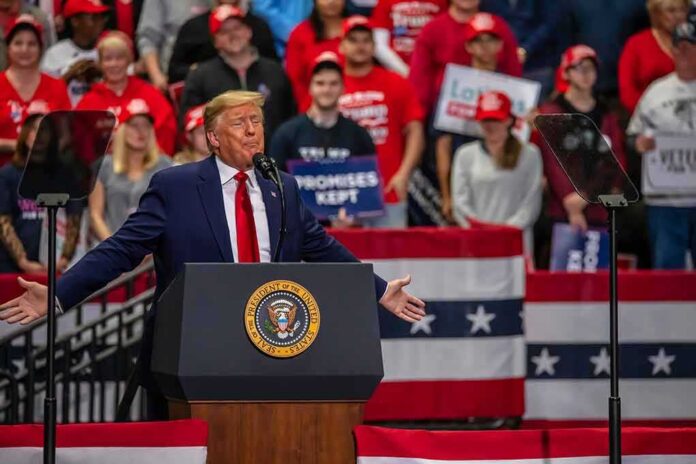
President Trump said at the White House that he turned down an Iranian proposal tied to a seven-day roadmap for reopening the Strait of Hormuz and easing regional hostilities. He stated, “I rejected their deal,” and said Iran wanted relief because it was “losing so badly”. Reporting described the plan as front-loaded with United States concessions. That framing aligned with the administration’s stance to keep pressure in place and to avoid trading relief for short-term steps.
Reuters and other outlets reported that the proposal, sent through Qatari channels, called for the United States to lift the blockade on Iranian ports, release frozen funds, and waive oil sanctions before Tehran would reopen the strait and wind down fighting. Trump signaled that such sequencing was a nonstarter. The administration’s approach has centered on persistent economic pressure until Iran accepts terms that Washington views as durable and enforceable.
The Stakes Around the Strait of Hormuz
The Strait of Hormuz carries a large share of the world’s seaborne oil. Any closure or threat there can push up fuel prices and strain global supply chains. Trump argued the United States has “total control” of the waterway and said “massive amounts of oil” continue to move, a signal that Washington believes it holds the leverage at sea. Analysts say Iran has struggled to fully close the route, which weakens Tehran’s bargaining power over time.
Iran has often used pressure around Hormuz to gain leverage when its economy is under strain. United States leaders, in turn, use sanctions and financial limits to push Iran to accept their terms at the table. This back-and-forth creates a test of will, where each side tries to force the other to move first. It also raises risks for shippers, insurers, and families at home who feel price spikes at the pump when tensions rise.
Talks May Continue, But Terms Remain Far Apart
Despite the rejection, Trump and news outlets said contacts with Iran could continue this week, likely with help from Qatari mediation. That means channels remain open, even as the two sides argue over the order of steps. Washington appears set on keeping sanctions and maritime pressure in place. Tehran, by contrast, wants upfront relief before taking action at the strait. Those positions leave a narrow path for a quick fix, but not an impossible one if sequencing can be bridged.
September 28: Trump rejects the package, Hormuz stays shut — Qatar at the table, China offers no cover
Trump announced a $15 billion steel plant in Iowa. Iran came up only briefly in the room: “Iran never having a nuclear weapon. We’ll win that war very soon and the gas prices…
— Wall Street Conqueror (@WallStConqueror) September 28, 2026
The public record does not include the full written proposal from Iran, so some details of the seven-day plan remain described through press accounts rather than original documents. Still, the core facts are clear: Trump publicly rejected the offer, framed United States leverage as decisive, and signaled that talks could still proceed through mediators. Markets, energy planners, and United States families watching gas prices will track whether those talks ease the standoff soon.
How This Fits a Larger Pattern Americans Know Well
For years, leaders on both sides have used pressure tactics first and diplomacy second. Iran leans on its geography and asymmetric tools. The United States leans on sanctions power, naval presence, and access to the dollar system. Both claim to defend their people, yet both also risk wider conflict that hits ordinary workers hardest. Many Americans see another round of brinkmanship and wonder if anyone in power is solving problems rather than managing headlines.
Sources:
youtube.com, reuters.com, inquirer.com, nbcnews.com, pbs.org, aljazeera.com, apnews.com