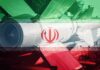

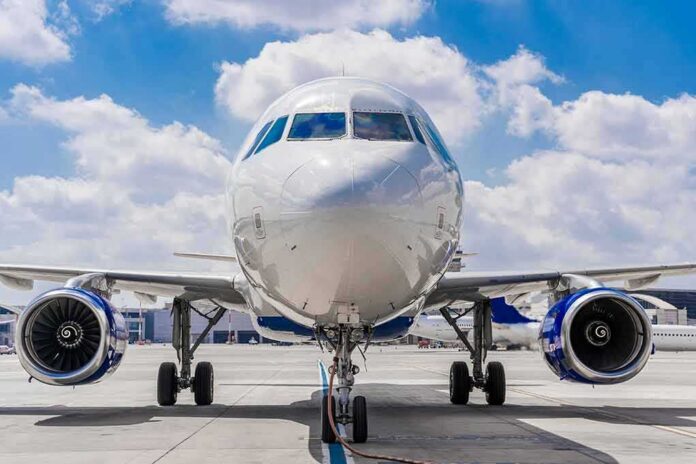
The Treasury Department says every remaining Iranian airline will be effectively grounded worldwide by September 23 through sweeping secondary sanctions that cut off fuel, maintenance, parts, and airport services.
Story Highlights
- Treasury sanctioned 27 Iranian airlines and dozens of enablers under a new campaign.
- Officials say airlines move weapons and personnel for Iran’s regime and proxies.
- Secondary sanctions aim to block fuel, parts, and airport services beyond U.S. borders.
- Iran calls the move unlawful and a threat to civil aviation safety.
What Treasury Announced And Why It Matters
The U.S. Department of the Treasury sanctioned 36 targets tied to Iran’s aviation sector, including all 27 remaining Iranian airlines. Officials said Iran uses these carriers to move weapons, personnel, and illicit cargo. The action falls under Operation Economic Outcast and applies broad pressure across the network that keeps planes flying. Reuters reported the aim includes grounding Mahan Air and extending penalties to all other Iranian carriers as well.
Treasury paired the designations with warnings to companies worldwide. Treasury Secretary Scott Bessent said anyone doing business with the sanctioned airlines risks losing access to the global financial system. Legal advisories noted that the government is shifting Iran-related licenses toward a presumption of denial, which tightens options for parts, repairs, and technical support. That shift raises risks for airports, fuelers, lessors, and booking platforms far from U.S. soil.
How Secondary Sanctions Could Ground Planes Abroad
Secondary sanctions work by scaring off third parties that want to keep access to dollars and U.S. markets. Banks, fuel suppliers, and service providers tend to overcomply rather than gamble with penalties. This leverage often reaches well beyond U.S. borders and can freeze an airline’s daily needs, from buying jet fuel to booking slots and sourcing spare parts. Analysts say such deterrence can be stronger than any formal ban because it drives global partners to walk away first.
Reports tied to the rollout say the practical goal is not a literal U.S. no-fly order, but a worldwide choke point. If fewer airports will fuel or service Iranian aircraft, then scheduled flights cannot operate. Aviation depends on strict maintenance and inspection cycles. Cutting off certified parts and repairs can force aircraft out of service, even if the airline still has crews and planes on the ground.
Iran’s Pushback And The Safety Debate
Iran’s Foreign Ministry condemned the move as economic coercion. It said the sanctions threaten civil aviation safety by restricting access to spare parts, equipment, maintenance, repairs, and inspections. The ministry also argued the action curbs the movement of civilians and conflicts with the goals of the Chicago Convention. Tehran framed the measures as collective punishment and called for an end to what it labels unlawful pressure.
Independent reviews over the years have noted that long-running sanctions can strain safety practices by limiting timely access to certified parts and support. United Nations reporting has warned about overcompliance by vendors that stop after-sales support, which can endanger civil aviation and human life. This history explains why safety is a core point of dispute in sanctions debates, even when the target is a government’s misuse of airlines.
Geopolitical Stakes For Washington, Tehran, And Travelers
U.S. officials argue that Iran’s airlines are not just civilian carriers. They say the networks double as logistics for armed groups and sanctioned entities linked to Iran’s government. Treasury has a record of targeting aircraft, procurement agents, and front companies to block that support. Prior actions against Iran Air and other carriers laid the base for today’s wider sweep, which now tries to close every exit ramp at once.
Travelers in and out of Iran could face sharp disruptions if flights are canceled, rerouted, or delayed. Ticketing platforms and insurers may also step back. That could raise prices, extend travel times, and hit students, families, and patients the hardest. These tradeoffs echo a broader worry many Americans share: leaders talk tough while everyday people, at home and abroad, pay the price. The question is whether the policy will curb illicit activity without causing avoidable harm to civilians.
What To Watch Next
Watch for airport fuel denials, canceled ground handling, and parts suppliers cutting ties. Look for statements from European and Asian hubs that serve Iran. Monitor whether any governments challenge Washington’s reach or seek carve-outs for safety. And track whether Iran shifts to cargo charters, foreign wet leases, or gray-market parts to keep planes flying. The next two weeks will show if the plan delivers a near-total shutdown or meets uneven compliance across regions.
Sources:
insiderpaper.com, state.gov, iranintl.com, cozen.com, home.treasury.gov, cnbc.com, ch-aviation.com, apnews.com, sanctionssearch.ofac.treas.gov, cnn.com, millerchevalier.com