
As rescue crews dig through mud and collapsed homes in remote Nuristan, the true scale of Afghanistan’s latest deadly flash floods is still coming into focus.
Story Snapshot
- At least 23 people are confirmed dead after flash floods hit eastern Afghanistan’s Nuristan province.
- Authorities say more than 100 people are missing, and the death toll is expected to rise.
- The capital city Parun was hit hard, with its mayor among the missing and dozens of homes destroyed.
- The disaster highlights Afghanistan’s growing flood crisis and long‑running problems with honest, reliable reporting.
Flash floods slam remote Nuristan communities
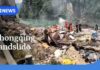
Heavy rain on Monday triggered sudden flash floods in Nuristan, a mountainous province in eastern Afghanistan where villages cling to steep slopes and river valleys. The Taliban‑run National Disaster Management Authority says at least 23 people died and about 80 were injured when floodwaters swept through Parun and nearby areas, smashing homes and shops and leaving fields buried in mud. Local officials warn that many people were caught overnight with little warning, and whole families may still be under the rubble.
The same disaster authority reports that more than 100 people are still missing, and rescue teams are searching damaged neighborhoods and riverbanks. In Parun, the provincial capital, the city’s mayor is among those unaccounted for, underscoring how deeply the floods cut into local leadership and basic services. Early counts from the Taliban government put the death toll around 20, but later updates raised that figure to at least 23 as more bodies were found and injuries confirmed.
Why casualty numbers are so hard to trust
The confusion over how many people died or are missing in Nuristan follows a pattern seen in almost every major flood in Afghanistan since the Taliban takeover. Government agencies often release low initial figures, while United Nations teams and aid groups later report much higher death tolls after on‑the‑ground checks. In a 2024 flood disaster, for example, United Nations reports counted over 300 deaths in Baghlan province alone, far above some early official claims. Sanctions, weak institutions, and limited independent media all make honest tracking harder.
For ordinary Afghans, these gaps are not just numbers; they shape whether help arrives and how fast. When damage is underreported, fewer aid trucks roll into destroyed towns, and families are left to dig themselves out with bare hands. The same dynamic frustrates many Americans watching from afar. It feels too familiar to see officials downplay crises while regular people bear the cost, whether the issue is foreign aid, border security, or disasters at home. The Afghanistan case is more extreme, but the core complaint about distant, unaccountable elites is shared.
Climate, deforestation, and a system pushed past its limits
Scientists who study floods in Afghanistan point to a dangerous mix of climate change and damaged land. Eastern provinces like Nuristan sit in river basins where steep slopes and rapid runoff turn heavy rain into walls of water in minutes. Years of war and logging stripped forests that once slowed storms, letting floods rip through villages with growing force. International analyses link recent Afghan floods to above‑average rainfall driven partly by El Niño and a warming climate, with 25 of 34 provinces hit since early 2024.
Flash floods in eastern Afghanistan have killed 20 people, injured about 80 more and left more than 100 missing, Afghan authorities say. https://t.co/t9knmH1aB0
— NBC News (@NBCNews) July 21, 2026
Afghanistan’s own disaster network is strained after decades of conflict, sanctions, and power struggles. The Taliban government controls official data and response, but it lacks strong equipment, deep funding, and trust from many local communities. Aid agencies report that more than 119,000 people were affected by heavy rains and flash floods across 32 provinces in 2024, yet long‑term protections—like stronger bridges, safe housing, and early‑warning systems—remain thin. The country lives in “permanent emergency,” reacting to each new storm instead of fixing root causes.
A warning sign for global systems and U.S. policy debates
For Americans, this flood is a reminder that weak, secretive governments make every crisis worse, whether they sit in Kabul or Washington, D.C. Afghanistan shows the cost when leaders focus on power over transparency: numbers get muddled, help arrives late, and poor families pay the price. Many on both the left and right in the United States already feel that elites hide real risks—from debt and inflation to climate and border chaos—while everyday people are told to simply “trust the system.” The Nuristan tragedy underscores how deadly that mindset can become.
At the same time, the flood story touches ongoing fights over foreign aid, climate policy, and disaster spending. Some Americans question sending money abroad when U.S. bridges, levees, and power grids need repair. Others argue that ignoring fragile places like Afghanistan lets climate‑driven chaos grow, feeding migration waves and global instability. What is clear from Nuristan is that when governments fail to plan and tell the truth, disasters do not stay “local” for long; they ripple through regions and into global politics, adding fuel to the belief that today’s systems are not working for ordinary people.
Sources:
youtube.com, rferl.org, reliefweb.int, efe.com, ariananews.af, bbc.com, jpost.com, lemonde.fr, facebook.com, adore.ifrc.org, reuters.com, egusphere.copernicus.org, lossanddamagecollaboration.org, afghanistan.iom.int, unocha.org