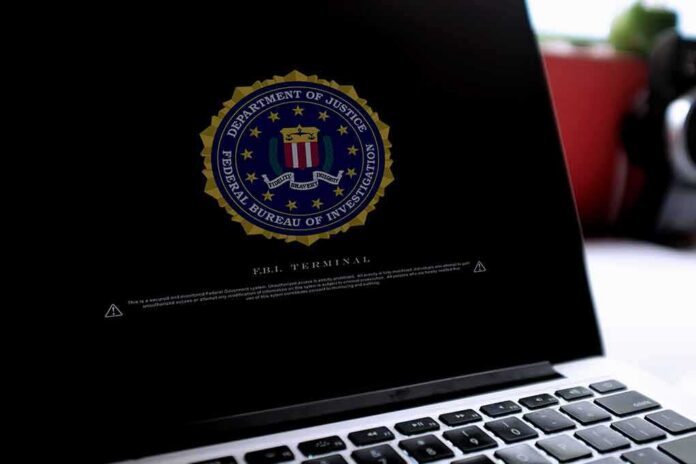
A documented unpaid bill once cut off Federal Bureau of Investigation surveillance lines, showing how basic breakdowns can stall high-stakes public safety tools.
Story Snapshot
- A Justice Department audit found phone carriers disconnected Federal Bureau of Investigation surveillance lines over late payments.
- The episode exposes routine management and billing gaps that can disrupt core law enforcement work.
- Federal Bureau of Investigation “Most Wanted” pages and the “Wanted” app remain active today, but past lapses show real risk.
- Congress is again weighing surveillance authorities as lawmakers press agencies to fix basic controls.
What The Records Show About Service Cutoffs
A Justice Department audit reported that phone companies disconnected lines used to deliver surveillance results to the Federal Bureau of Investigation after late payments. The report described missed bills and weak controls that caused temporary interruptions to ongoing cases. The audit dates to an earlier period but gives a clear, documented account of how unpaid invoices can stop critical communications on active investigations. That is not a theory. It happened, and it was traced to poor payment management.
Federal Bureau of Investigation officials at the time acknowledged lapses and blamed “untimely payment” for service breaks. The finding fits a longer pattern identified by government watchdogs. Auditors have repeatedly flagged fragmented cost tracking and weak oversight across major information systems in the Department of Justice and the Federal Bureau of Investigation. When basic controls fail, even simple tasks like paying vendors can slip, and mission systems can go dark until the bills are cleared.
Separating The “Most Wanted” Story From The Facts
Recent online claims link an unpaid bill to an outage of the public “Most Wanted” tracker. The strongest documented proof in hand concerns surveillance lines cut by carriers, not a shutdown of the “Most Wanted” pages. Today, the bureau’s “Wanted” portal lists active fugitives across categories, and the bureau promotes its free “FBI Wanted” mobile app for tips and alerts. Those public tools appear to be operating, but the record shows the agency has had real, preventable outages elsewhere.
The wider lesson still matters. When an agency cannot keep its books straight, frontline tools become fragile. That risk angers people on the right and the left. Conservatives see waste and poor stewardship. Liberals see basic services failing people who need safety and justice. Both sides see the same root cause: leadership that lets routine management fail until it hurts public work. The surveillance cutoffs show how a missed payment can have public safety costs.
Why This Matters As Congress Reviews Spy Powers
Lawmakers are again debating surveillance authorities and agency oversight. The House Judiciary Committee has held hearings on the Foreign Intelligence Surveillance Act, and party leaders have pushed timelines and reforms. Supporters say the tools save lives. Critics want tighter rules, stronger audits, and clear accountability when agencies fall short. The old billing lapse is not the central issue today, but it is a caution flag for any renewal without firm guardrails.
Congress can tie any renewal to nuts-and-bolts fixes: unified billing controls, real-time vendor payment tracking, and public reporting on outages. The Department of Justice Office of the Inspector General has long urged stronger information system management. Implementing those steps would not score headlines, but it would keep lines live, pages up, and tips flowing. That is how government earns trust: pay the bills on time, keep the systems running, and tell the public when things break and why.
Sources:
police1.com, fbi.gov, pbs.org, congress.gov, govinfo.gov, oig.justice.gov