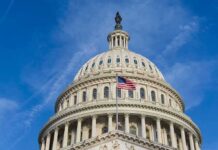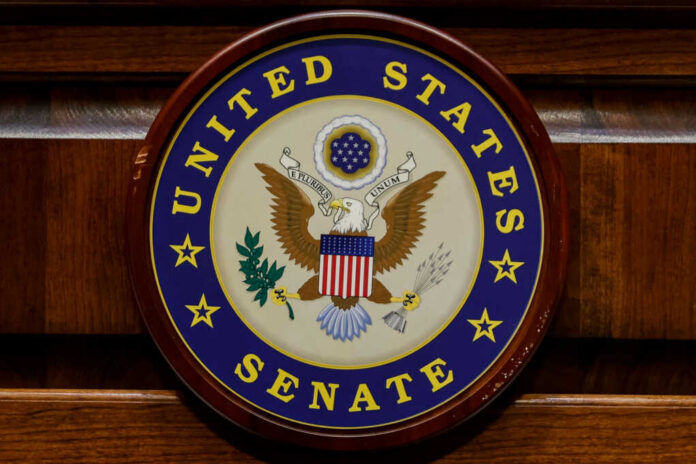
At a time when many Americans feel Congress is insulated from the pain it causes, the Senate just voted to dock its own pay whenever it lets the government shut down.
Story Snapshot
- The Senate unanimously adopted a resolution to withhold senators’ pay during any future government shutdowns.
- The Secretary of the Senate will hold salaries during a funding lapse and release them only after the government reopens.
- The change does not touch House members and will not take effect until after the 2026 midterm elections because of constitutional rules.
- The move answers public anger over shutdowns, but there is no hard evidence it will actually stop Washington from playing shutdown games.
What exactly did the Senate just vote for?
The United States Senate adopted a resolution, led by Republican Senator John Kennedy of Louisiana, that requires senators’ paychecks to be withheld during any lapse in federal funding that shuts part of the government down.[2] The measure advanced earlier in the week on a 99–0 vote and then passed by unanimous consent, meaning no senator publicly objected.[2] Because it is written as an internal Senate resolution, it does not need House approval or President Trump’s signature to take effect.[2]
Under the resolution, the Secretary of the Senate is directed to stop paying senators for the duration of a shutdown and then release the accumulated pay only after the shutdown ends.[1][2] That structure effectively turns senators’ salaries into an escrow account during funding fights rather than canceling their pay outright. The rule applies only to senators, not to members of the House of Representatives, so one entire chamber of Congress still faces no direct pay consequence if it helps trigger a shutdown.[1][2]
Why now, and what problem are senators claiming to solve?
Senator Kennedy and supporters framed the move as basic fairness after federal workers endured two lengthy, record-setting shutdowns in recent years.[1][2] One shutdown lasted a historic forty‑three days and led to hundreds of thousands of federal employees being furloughed or working without pay, while tens of thousands of workers in the private sector lost their jobs as collateral damage.[2] Kennedy argued that if senators are willing to let those workers go unpaid, they should have “the same skin in the game” themselves.
Supporters also presented the measure as a way to discourage both parties from using shutdowns as a routine bargaining weapon.[1][2] Shutdowns have become a familiar tool in battles over spending, border security, social programs, and foreign aid, with each side trying to pin blame on the other while average citizens absorb the disruption. By tying senators’ own paychecks to the outcome, backers say they want to raise the personal cost of brinkmanship in a town where many people believe politicians rarely feel the consequences of their decisions.[1][2]
What are the limits and loopholes that concern skeptics?
The most obvious limit is timing: the resolution explicitly does not take effect until after the 2026 midterm elections.[2] That delay is not an accident; senators and reporters point to the Twenty‑Seventh Amendment, which bars any change in congressional pay from taking effect until after the next election.[1][2] Kennedy has said he would have started the rule immediately if he could, but the delay means current senators will not face this pay‑withholding rule if another shutdown happens before the election.
The second major limit is scope: the House is completely exempt.[1][2] Shutdowns only occur when both chambers and the president fail to agree on funding, so leaving House members untouched undermines any claim that Congress as a whole is finally sharing the pain. Critics, along with some news coverage, have suggested that this narrow focus makes the move look more like political symbolism than deep reform, especially because there is no evidence yet that docking senators’ pay will actually reduce the number or length of shutdowns.[1][2]
Does this change really make Washington more accountable?
The record so far shows strong institutional support but not proven results. The resolution cleared the Senate Rules Committee unanimously and then sailed through the full Senate without a single recorded “no” vote, which suggests leaders in both parties recognize how angry Americans are about shutdown politics.[2] Yet none of the available reporting or statements provides empirical evidence that similar pay‑withholding rules have changed lawmaker behavior in the past.[1][2]
🗳️ SENATE VOTE ✅
On Cloture on the Motion to Proceed: Motion to Invoke Cloture on the Motion to Proceed to S. Res. 526; A resolution withholding the pay of Senators if a Government shutdown occurs.
📊 Result: PASSED (99-0, needed 60)
🔴 GOP: 52Y-0N | 🔵 Dem: 45Y-0N | ⚪ Ind:…
— congressX (@Congress_X) May 14, 2026
For citizens who believe the federal government is run by insulated elites, this move may feel like a small step toward shared sacrifice, but it does not fix deeper structural incentives.[1][2] Senators will still receive their full salary eventually, powerful donors and lobbyists will still be heard first, and House members—the people who often drive shutdown showdowns—remain untouched. The vote is therefore best understood as a signal that Washington hears the frustration, not as a guarantee that shutdown brinkmanship is ending.
Sources:
[1] YouTube – Senate unanimously approves plan to withhold pay during shutdowns
[2] Web – Senate adopts resolution to withhold senators’ pay … – CBS News