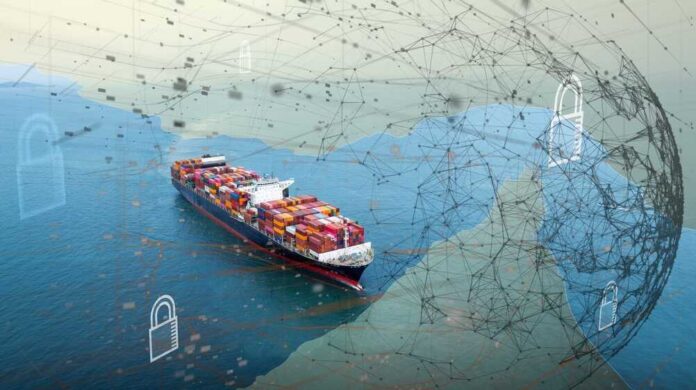
Six American crew members remain missing after the U.S. Coast Guard spotted an overturned vessel matching their cargo ship approximately 200 nautical miles north of Saipan, raising grave concerns about survival following Super Typhoon Sinlaku’s devastating passage through the western Pacific.
Story at a Glance
- Coast Guard discovers capsized vessel matching the 145-foot *Mariana* 100 nautical miles from its last known position after catastrophic engine failure during Super Typhoon Sinlaku
- Six crew members aboard U.S.-flagged cargo ship missing since Wednesday evening when communications ceased amid fierce storm conditions in remote Pacific waters
- Multinational search effort mobilizes U.S. Coast Guard, Navy P-8A Poseidon aircraft, and Japanese Coast Guard dive teams in race against time
- Incident exposes vulnerabilities of small cargo vessels serving isolated U.S. territories, raising questions about storm preparedness and engine reliability standards
Vessel Lost Contact During Typhoon Evasion
The *Mariana*, a U.S.-registered dry cargo vessel operating freight routes between Guam, Tinian, and Saipan, departed northward on April 11 attempting to evade Super Typhoon Sinlaku’s path. On April 15, approximately 140 miles north-northwest of Saipan, the crew reported starboard engine failure to the Joint Rescue Coordination Center Honolulu. The vessel manager established hourly communications, reporting all six crew members were safe with no medical emergencies. By Wednesday evening, all contact ceased. The vessel’s final automatic identification system transmission pinpointed its location at 17°25’N latitude, 145°08’E longitude around 1400 local time before vanishing.
Search Teams Battle Extreme Weather Conditions
Coast Guard HC-130 Hercules crews launched search operations Thursday morning from Air Station Barbers Point, but severe winds from the typhoon forced an immediate abort, diverting aircraft to Guam. Search efforts resumed Friday and Saturday as weather conditions improved. At first light Saturday, an HC-130 aircrew spotted an overturned vessel approximately 34 nautical miles northeast of Pagan, roughly 100 nautical miles northeast of the *Mariana’s* last known position. Coast Guard officials confirmed the capsized hull matches the vessel’s description, though positive identification remains unconfirmed pending further investigation. The significant drift distance suggests the ship capsized rapidly during the storm’s peak intensity.
International Response Coordinates Pacific Rescue
The U.S. Coast Guard mobilized a comprehensive multinational search operation involving multiple specialized assets. Coast Guard Cutter Frederick Hatch deployed to the search area alongside HC-130 Hercules aircrews conducting systematic aerial sweeps. The U.S. Navy contributed P-8A Poseidon reconnaissance aircraft equipped with advanced detection systems. Japan Coast Guard committed air and vessel resources, including a specialized dive team capable of underwater hull inspections and potential rescue operations. Joint Rescue Coordination Center Honolulu watchstanders coordinate all search activities and information gathering. The Coast Guard urged mariners to report any sightings via VHF radio channel 16 or by calling 1-800-331-6176.
Remote Territory Faces Supply Chain Disruption
The U.S. Commonwealth of the Northern Mariana Islands depends heavily on small cargo vessels like the *Mariana* for essential supplies, situated approximately 3,800 miles west of Hawaii in the western Pacific. The repurposed offshore supply vessel served critical logistics for these isolated American territories vulnerable to frequent typhoon strikes. Loss of the vessel creates immediate supply chain gaps for communities already challenged by geographic isolation. The incident underscores the precarious nature of freight operations in cyclone-prone regions, where aging vessels often navigate treacherous conditions with minimal redundancy. Six families now await news of their loved ones while local economies face disruption from lost cargo capacity.
Engine Failure Raises Vessel Safety Questions
Maritime experts note the *Mariana’s* typhoon evasion strategy failed when critical engine failure left the vessel adrift in extreme seas. The rapid drift of approximately 100 nautical miles from its distress position to the capsized hull sighting location indicates the vessel likely lost stability and overturned quickly during the typhoon’s passage. Industry observers emphasize that small cargo ships operating in cyclone zones face extraordinary risks, particularly when mechanical failures eliminate propulsion and steering during severe weather. The incident will likely prompt scrutiny of engine maintenance protocols, redundancy requirements, and storm routing procedures for U.S.-flagged vessels serving remote territories. This tragedy highlights government oversight gaps that leave working Americans vulnerable when aging commercial vessels fail during predictable natural disasters.
Sources:
U.S. Coast Guard Searches for Missing Vessel Offshore Saipan – DVIDS
UPDATE 2: U.S. Coast Guard Searches for Missing Vessel Offshore Saipan – USCG
US Coast Guard spots overturned vessel near Saipan during search for missing ship with 6 – 2News
UPDATE 1: U.S. Coast Guard Searches for Missing Vessel Offshore Saipan – USCG
U.S.-Flagged Cargo Ship Goes Missing During Passage of Typhoon Sinlaku – Maritime Executive