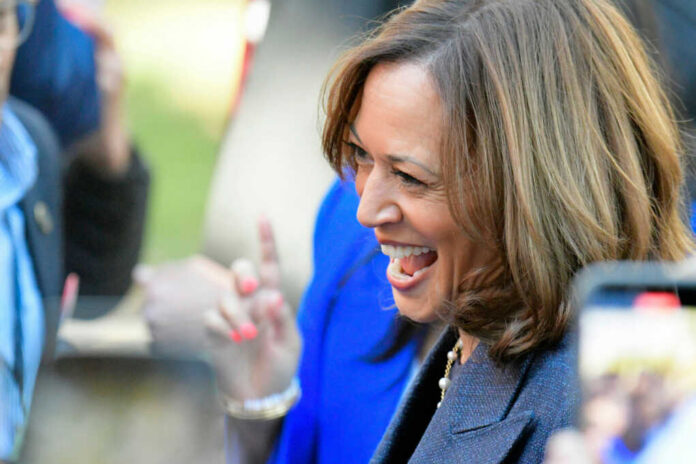
Kamala Harris’s coy “I might run” signals potential Democratic desperation for 2028, raising alarms for conservatives wary of recycled failures amid Trump’s successful second term.
Story Snapshot
- Harris teases 2028 presidential bid with ambiguous “I might” responses at recent events, sparking media speculation.
- Comments made at National Action Network convention with Rev. Al Sharpton and in interview with Sharon McMahon fuel viral mockery online.
- Follows her decisive 2024 election loss, highlighting Democratic struggles post-Trump victory.
- No firm commitment; Harris frames it around public service, but critics see indecision after past defeat.
Harris Teases 2028 Amid 2024 Defeat
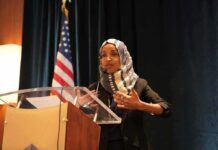
Former Vice President Kamala Harris responded to direct questions about a 2028 presidential run with non-committal phrases during April 2026 appearances. At the National Action Network convention, Rev. Al Sharpton asked if she would run again. Harris replied, “Listen, I might. I might. I’m thinking about it,” and added she would keep people posted. She emphasized serving the American people in deciding who can best do the job. This exchange followed her unsuccessful 2024 campaign against President Trump.
Interview Echoes Convention Remarks
In a live video call with author Sharon McMahon, Harris faced a lightning-round question on 2028. She stated, “I haven’t decided… I might.” McMahon noted Harris was just thinking about it. These viral clips, uploaded to YouTube and Dailymotion, ignited global conversation and online mockery. Harris’s history includes serving as California’s Attorney General, U.S. Senator, and Vice President from 2021 to 2025. Her 2024 loss prompted initial retirement from immediate politics, but recent engagements revived speculation.
Democratic Field Shifts in Trump Era
President Trump’s second term, backed by Republican control of Senate and House, has Democrats obstructing while facing internal challenges. Harris’s teases occur amid rumors like Gavin Newsom dropping out, influenced by Trump narratives. She highlighted her experience, saying, “I know what the job is.” Stakeholders include Sharpton’s platform for visibility and media amplifying sensational content. No formal announcement exists; speculation tests waters without commitment.
Short-term, these remarks fuel Democratic primary buzz and media cycles. Long-term, a run could reshape the 2028 field or fade if she declines. Critics mock her as indecisive post-failure, while supporters see comeback potential. This reflects broader frustrations: conservatives decry past liberal policies like open borders and overspending; liberals lament America First priorities. Yet both sides agree federal elites prioritize power over citizens chasing the American Dream.
Shared Concerns Over Elite Politics
Harris’s ambiguous signals underscore a political class more focused on personal ambition than solving economic woes, high energy costs, and immigration strains. In 2026, with Trump advancing limited government and fossil fuels, her potential bid evokes fears of renewed globalism and welfare expansion. Americans across aisles feel betrayed by a deep state favoring reelection over hard-working families. These teases, absent concrete plans, amplify distrust in leaders departing from founding principles of liberty and initiative.