As attacks on ships persist in the Strait of Hormuz, Secretary of State Marco Rubio asked U.S. allies to help protect a waterway that keeps global trade moving, and got no firm takers yet.
Story Snapshot
- Rubio urged partners at the G7 in Paris to fund or supply gear for Strait security.
- Maritime advisories report continued attacks and high risk for commercial ships.
- The United States says it is guiding stranded ships and deploying assets to shield traffic.
- Allies offered no clear commitments when Rubio raised the request.
What Rubio Asked For, and Why It Matters
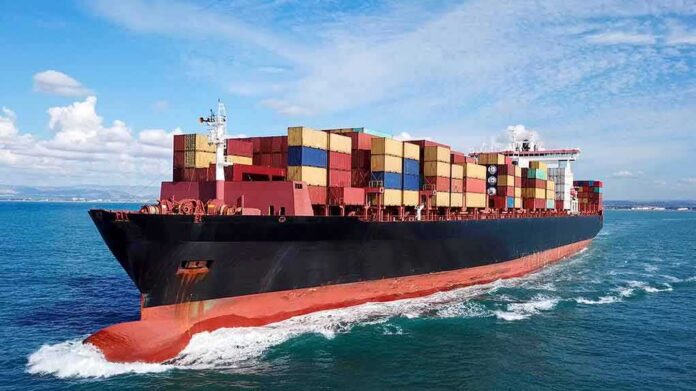
Secretary of State Marco Rubio pressed allied governments to “step up” with money or hardware to help protect ships moving through the Strait of Hormuz. Rubio tied the appeal to global shipping, not U.S. oil, saying the United States gets no oil from the Strait and that safe passage serves the world’s interests. He framed the waterway as international and said the United States would keep working with partners to reject illegitimate territorial claims that restrict navigation.
Rubio’s plan pushed burden sharing. He said countries that benefit from Strait traffic should contribute “whether it’s hardware or finances,” at least through financial aid. He also said he raised the idea at the Paris meeting of Group of Seven foreign ministers. He reported no direct response from partners during that session, underscoring a gap between U.S. requests and allied willingness to commit funds, ships, or minesweeping support at this stage.
Threat Picture on the Water
U.S. maritime guidance warns that Iran continues to threaten and strike commercial vessels in the Persian Gulf, the Strait of Hormuz, and the Gulf of Oman. The advisory labels hazards and attack risk as high, reflecting recent patterns of incidents documented through October 26. A United Kingdom Maritime Trade Operations and Joint Maritime Information Center update recorded a projectile attack in the Strait and said attack frequency against commercial shipping stayed consistent in the period covered by its note.
These alerts back the case that the danger is ongoing and not isolated. They also explain why insurers, shippers, and crews are on edge. The Strait remains one of the world’s tightest choke points for energy and trade, so even brief disruptions ripple into higher costs and delays. That hits families through fuel and goods prices. It also pushes small businesses that depend on steady shipping schedules and fair freight rates.
What the United States Is Doing Now
The State Department says the U.S. military is guiding stranded commercial ships through the Strait and deploying assets to extend a defensive shield over commercial traffic. Rubio added that cooperation from other nations has been very limited so far and that protection has “primarily fallen on the United States,” highlighting the strain on American forces and budgets while attacks continue. That mix—high risk and limited partners—sets the stage for Rubio’s push.
Rubio’s message aims to keep freedom of navigation from becoming a political bargaining chip. He argued that safe passage should not depend on unilateral territorial claims. He cast the mission as protecting a shared artery of trade, not as a U.S.-only oil security effort. That framing seeks to rally countries whose economies rely on open sea lanes, whether they import oil from the region or simply need stable global shipping to keep factories and stores supplied.
Sticking Points and Next Steps
Rubio’s appeal faces practical hurdles. He has not announced a roster of partner nations, a funding plan, or rules for a multinational mission. He also did not detail command structures, engagement rules, or who would handle minesweeping, which often decides whether partners join or pass. One caveat he shared himself: when he raised the request at the G7, he did not get a response, which leaves the coalition picture uncertain for now.
The core stakes are simple and immediate. Maritime warnings say attacks continue and risk is high. The United States is already escorting and defending ships. Allies agree in principle on open seas, but have not committed resources. For readers across the spectrum, this story tracks with a common concern: global trade depends on a few narrow straits, and when threats grow, the costs often land on regular people while governments argue over who pays to keep the lanes open.
Sources:
military.com, state.gov, maritime.dot.gov, ukmto.org