
The Supreme Court paused a lower-court block and let Big Bend border wall work restart while the case continues.
Story Snapshot
- The Court stayed an injunction, allowing construction to resume during litigation.
- Justices pointed to Congress giving the Homeland Security Secretary power to waive certain laws.
- The ruling cites compelling border security interests and limits on court intervention.
- The order is temporary and does not decide if the waivers are lawful.
What the Supreme Court Decided and What It Did Not
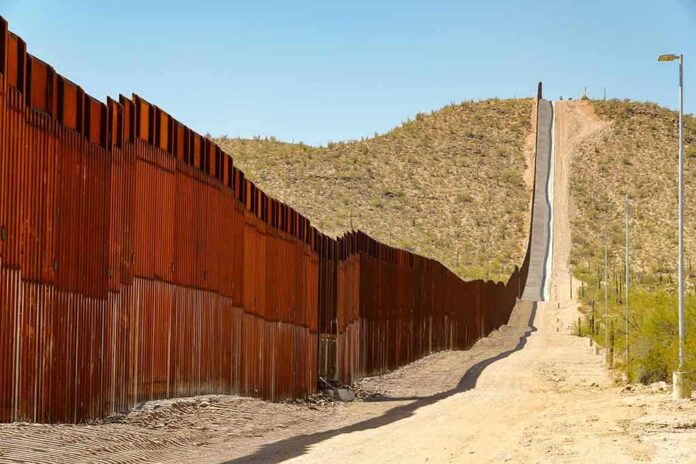
On November 9, 2026, the Supreme Court stayed a district judge’s injunction that had halted border wall work in Texas’s Big Bend region. The stay lets construction and related road work resume while the lawsuit moves forward. The unsigned order stressed that the federal government claims a compelling interest in border security and integrity, which the injunction had impeded. The order is interim. It does not decide who wins on the merits, and it could end if the Court declines later review.
Reports describe the project as part of a larger building plan in the Big Bend sector, with work covering miles of barriers and access roads. Coverage referenced roughly 300 miles tied to the project within a broader sector spanning more than 500 miles of border, though descriptions vary and lack detailed maps in public view. That scope dispute matters because scale affects cost, environmental impact, and how quickly crews can build before the courts reach a final judgment.
Why Congress’s Waiver Law Shaped the Outcome
The Court pointed to federal immigration law that lets the Homeland Security Secretary waive environmental and similar legal requirements to speed border construction. The justices said Congress showed a clear preference for fast construction over the harms opponents raised, which limits how far courts can intervene at this stage. News accounts noted that this framework narrows judicial power when the executive deems quick building necessary, which strengthened the government’s bid for a stay.
The exact waiver documents, maps, and administrative findings are not in the record provided here. That gap leaves questions about how each waiver links to the statute, when it was signed, and what analysis backed it. Those details will be central as the case proceeds. For now, the stay rests on the statutory scheme and the government’s stated security needs rather than a full review of each waiver’s process.
Security Goals, Environmental Fears, and Shared Public Frustration
The government told the Court that delaying construction harms border security and integrity, and the justices credited that interest during the emergency phase. Opponents, including environmental groups and local voices, warn construction will scar desert habitat, damage historic and cultural sites, and limit access along the Rio Grande. They argue that bulldozers have already cleared native plants and that some work could affect endangered species areas. They also say Big Bend has fewer crossings and that surveillance could work better than a wall.
The Supreme Court cleared the way Monday for the Trump administration to resume border wall construction in the Big Bend region of Texas, a blow to bipartisan opponents who had argued the project is a waste of money that threatens the unique landscape. https://t.co/tZFkU6wIi2 pic.twitter.com/8KecfEcXUL
— Houston Chronicle (@HoustonChron) November 10, 2026
Both arguments tap into a wider national tension. Many Americans believe Washington acts fast when power is at stake but slow when answers and accountability are needed. Here, Congress gave broad tools to move quickly, and agencies can skip normal reviews to build. That may help security efforts, but it also deepens distrust when communities cannot see the data, maps, or costs. The Court’s stay keeps crews working, yet the core legal and policy questions remain open for a full hearing.
What to Watch Next in the Case
Expect filings to test the limits of the waiver law and whether the Secretary tied each waiver to a specific, urgent need. Watch for sector-level numbers on crossings, smuggling routes, and response times that show why a barrier in Big Bend would improve security over cameras, sensors, and patrols. Also watch for precise project maps, timelines, and protections for historic resources. The stay signals momentum for the government now, but the merits fight will turn on facts that have not yet been fully aired.
Sources:
townhall.com, scotusblog.com, texastribune.org, wsj.com, wtrf.com, thestate.com, fox7austin.com, ksat.com, cbsnews.com