Defense Secretary Pete Hegseth removed Lieutenant General Brett Sylvia after investigators tied him to alleged leaks on active wars, and referred the case to the Justice Department.
Story Snapshot
- Defense Secretary Pete Hegseth fired Lieutenant General Brett Sylvia from the Joint Staff over alleged classified leaks.
- Pentagon officials say an Air Force investigation preceded the removal and the case was sent to the Justice Department.
- Officials linked the alleged leaks to planning on the Iran war and the Russia-Ukraine war.
- Reports say Sylvia failed three polygraph tests tied to the probe, though test results are not court evidence.
What the Pentagon Did and Why It Matters
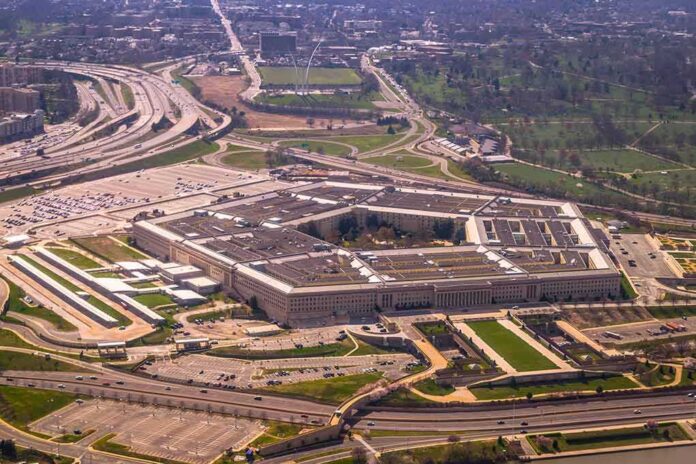
Defense Secretary Pete Hegseth fired Army Lieutenant General Brett Sylvia, who led strategy, plans, and policy on the Joint Staff, after an inquiry into alleged unauthorized disclosures. Pentagon officials said the alleged leaks touched on planning for the war with Iran and the war in Ukraine, and that the matter was sent to the Department of Justice for review. A Pentagon spokesman said an Air Force inquiry preceded the action, framing the step as necessary to protect sensitive operations.
The Joint Staff role Sylvia held is central to war plans, allied coordination, and crisis options. Removing the director signals the Pentagon views the alleged breach as severe. The timing also comes as the United States manages military risks involving Iran and ongoing support to Ukraine. Officials did not release documents or messages tied to the alleged leaks, which is common in national security cases while reviews are active. Administrative removals can occur before any criminal decision.
What Investigators Reported Finding
A Pentagon official told reporters that Sylvia failed three polygraph examinations related to the suspected leaks. Polygraph results can inform internal decisions but are not accepted as proof in military courts, which limits their role if prosecutors seek charges. The Pentagon described the investigation as “extensive” and said the Air Force inquiry built the case for removal and the Justice Department referral. Officials have not named media outlets or published stories tied to the alleged disclosures.
Some outlets reported that other Pentagon sources disputed the accusations, but the department’s formal action remained in place while the review proceeds. That mix is not unusual in leak cases, where different offices may read the same signals data or interviews in different ways. The Pentagon has emphasized safeguarding current operations, which often leads leaders to move first on personnel and handle criminal questions separately.
Why Both Sides of the Aisle Care
Conservatives see leaks as threats to troops and missions, and they often demand fast action to stop them. Liberals worry about overreach, secrecy, and whether internal tools like polygraphs can be misused. This case hits both concerns. If a top planner leaked war plans, that is a serious breach. If the process leans on tools that are not allowed in court, that raises fairness questions. The Justice Department review will decide whether criminal laws apply.
The Pentagon said the firing of Army Lt. Gen. Brett Sylvia was necessary “to protect sensitive information.”
One of Sylvia’s colleagues said the general has denied that he leaked classified information but has had interactions with journalists. https://t.co/gw8J0B2hBJ pic.twitter.com/9OEVgt2mkA
— The Washington Post (@washingtonpost) October 29, 2026
Beyond partisan views, many Americans see a deeper pattern. Senior officials say little, ask for trust, and promise accountability later. People on the left and right fear insiders protect their own while the public pays the price. Here, the Pentagon acted quickly against a high-ranking officer, which is rare. That may reassure those who want accountability. It also underscores how much power the national security system holds, and how little the public gets to see while cases are active.
What Comes Next and Open Questions
The Defense Department’s referral means federal prosecutors will review the file and decide on charges or no charges. If prosecutors decline, the firing can still stand as an administrative step. If they proceed, the government will have to prove an unauthorized disclosure of classified information beyond a reasonable doubt. Until then, the department is likely to keep details close, citing active operations and sources and methods. No court filings have been made public yet.
Sources:
washingtonexaminer.com, aljazeera.com, cbsnews.com, edition.cnn.com