
A World War II spy landing on the Maine coast unraveled after a local Boy Scout spoke up, helping federal agents capture two Nazi operatives before they could act.
Story Snapshot
- German agents Erich Gimpel and William Colepaugh landed in Maine in 1944.
- A Boy Scout’s report helped alert authorities and spur an FBI response.
- Both men were caught before carrying out espionage or sabotage.
- The case fits a broader wartime pattern of failed U-boat landings.
How Two Nazi Agents Came Ashore In Maine
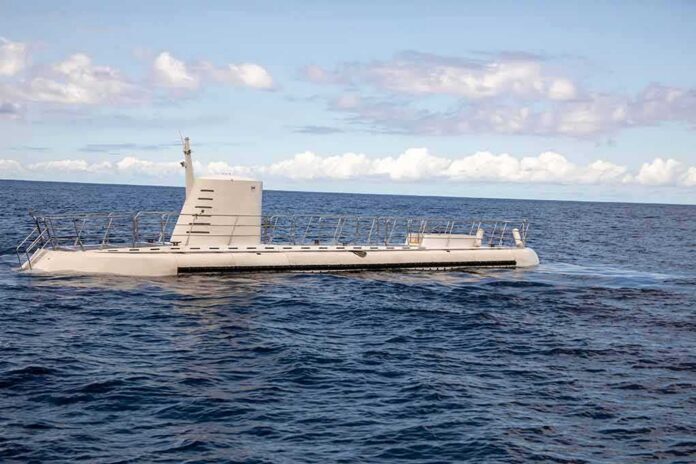
On November 29, 1944, two German agents, Erich Gimpel and William Colepaugh, came ashore near Hancock Point on Maine’s coast after a submarine drop-off. Accounts identify the submarine as U-1230 and place the landing in the Frenchman Bay area. The pair moved inland and tried to blend in. Their goal was to spy on the United States war effort. The Federal Bureau of Investigation (FBI) later confirmed both men as enemy agents active in the region.
Local attention fell on them quickly. A high-school senior and Boy Scout, Harvard Merrill Hodgkins, noticed the suspicious men and told his father, Deputy Sheriff Dana Hodgkins. The tip moved to federal authorities within days. The Military Times account describes the initial local report, while the FBI’s Boston office history credits citizen reports with helping agents track and catch the pair before damage was done.
Citizen Tips And A Rapid Federal Response
The FBI’s Boston field office says local reports of unusual activity helped agents locate and arrest both operatives. Colepaugh surrendered first. Information he provided then led to Gimpel’s arrest, closing the case. The Bureau’s historical account underscores how community vigilance, paired with federal follow-up, thwarted the plot. The chain shows how alert locals and coordination with law enforcement can stop threats before they grow.
While popular tellings highlight the Boy Scout’s role, the FBI describes a wider net of citizen reporting and investigation. That mix of eyes on the ground and organized follow-through mirrored other wartime cases. One brief caveat remains: some precise operational details in public retellings rely on later secondary sources rather than original field files available here.
Part Of A Larger Wartime Pattern
The Maine landing was one of several attempts by Germany to insert agents on American shores during World War II. A scholarly survey finds three submarine landings involving ten agents over the war years, with all captured before they could spy or sabotage. The National Park Service also notes that German submarines brought at least ten operatives to the United States, and none achieved lasting results against key targets.
Divers find Maine World War II shipwreck linked to Nazi spy plot https://t.co/5k4UfD5F7z
— Europe Says (@europe_says) October 27, 2026
Operation Pastorius in 1942 set the precedent. Eight saboteurs landed in New York and Florida, and within two weeks the FBI had the entire group in custody after one member, George Dasch, contacted authorities. The Maine case followed the same arc: a covert arrival, quick local suspicion, and a federal wrap-up. Together these episodes show how home-front vigilance and coordinated policing blunted enemy plans before they took root.
Why This Story Still Matters
This episode shows how ordinary citizens can spot danger early and how clear lines from local tips to federal action can protect the country. People today see a government that often moves slowly and serves insiders first. This case offers a different picture: fast response, shared duty, and results. It reminds leaders and agencies that trust grows when they act quickly on credible reports and keep their focus on real public safety.
Sources:
militarytimes.com, meandermaine.com, en.wikipedia.org, kids.kiddle.co