
President Trump announced a $15 billion steel mill planned for eastern Iowa that the White House billed as the largest in U.S. history, backed by Mesabi Metallics’ Minnesota iron ore supply.
Story Highlights
- Trump unveiled Mesabi Metallics’ plan for a $15 billion steel mill in eastern Iowa.
- The first phase targets 7.5 million tons a year, expanding toward 10 million tons.
- Officials expect at least 1,700 permanent jobs once operations begin.
- Mesabi plans to feed the Iowa mill with ore from its Minnesota mine.
What Was Announced and Who Is Involved
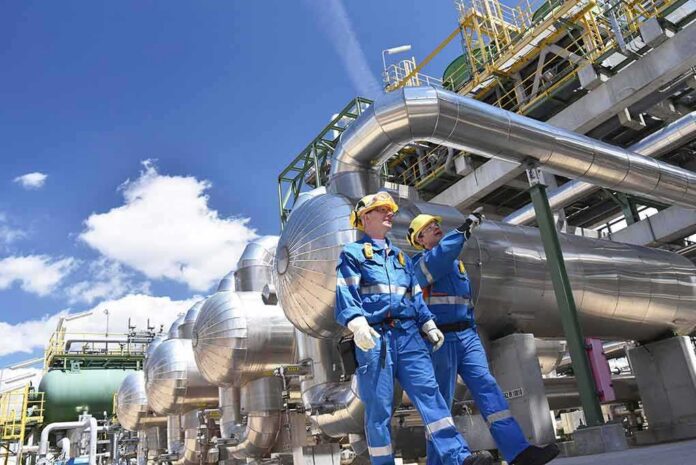
President Trump announced that Mesabi Metallics plans to build a $15 billion steel mill in eastern Iowa, with company leaders present at the White House event, according to contemporaneous reporting. The project centers on a new, large-scale facility that the administration described as the largest steel plant in United States history by capacity. Mesabi Metallics, a company linked to iron ore mining on Minnesota’s Iron Range, is the named developer. Officials framed the project as a major win for domestic manufacturing and energy-intensive industry.
Reports say the first phase is designed to produce 7.5 million tons of steel each year, with later build-out aiming near 10 million tons annually. A White House official cited in coverage said the project could support at least 1,700 permanent jobs once operations start, with steelmaking targeted around 2030. The plan is described as vertically integrated. Mesabi would mine iron ore in Minnesota and move it to Iowa for processing and steelmaking, tying two Upper Midwest economies together in one supply chain.
Why This Scale and Design Matter
Mesabi Metallics’ vertical model aligns with a broader shift to build domestic supply chains for core materials like steel. The proposal’s size and integration could lower transport costs and improve control of raw inputs. White House framing placed the project among the most ambitious in modern steelmaking, with superlatives about national standing and capacity. That pitch tracks with a familiar pattern in U.S. industrial policy: big capital numbers, round job figures, and claims of historic impact to signal renewal and strength in heavy industry.
The company’s public materials highlight active development on the mining and pellet side. Mesabi describes its Nashwauk project in Minnesota as the first new mine and pellet plant on the Iron Range in about half a century, with commercial operations planned as the build-out advances. Parent and affiliate materials also point to multibillion-dollar investment tied to mining and steel ambitions, underscoring a push to pair ore production with downstream steel capacity in the United States.
Jobs, Timing, and the Iowa–Minnesota Link
Administration and media summaries said the Iowa plant is expected to create at least 1,700 permanent jobs, alongside construction work during the build phase. Reports indicated steelmaking could begin around 2030, which reflects the long lead times common for siting, permitting, and building large mills. The Minnesota-to-Iowa flow of ore would anchor operations. The mine would supply feedstock to the Iowa site, closing the loop from raw material to finished steel within a regional system.
President Trump just announced the largest steel plant in U.S. history is coming to Iowa — a $15 billion Mesabi Metallics mega-mill that will create 1,750 permanent jobs and thousands more in construction. It will produce up to 10 million tons of 100% American steel a year from… pic.twitter.com/meL9cmo9Ry
— The Politic Prepper (@PoliticPrepper) September 28, 2026
Eastern Iowa’s exact locality was not specified in the reports, but the region offers rail, highway, and river access that many mills need for bulk logistics. Tying an Iowa mill to an operating Minnesota mine could stabilize supply, lessen import exposure, and place more of the value chain at home. That approach speaks to concerns on both the right and the left about fragile supply lines, rising costs, and the need for good-paying skilled jobs close to where people live.
How This Fits the Bigger U.S. Steel Picture
Across the steel sector, companies are announcing large projects and upgrades to modernize plants and add new capacity inside the United States. United States Steel, now partnered with Nippon Steel, has laid out a multi-year plan to invest about $14 billion in U.S. growth capital, with $11 billion by 2028, spanning states like Pennsylvania, Indiana, Arkansas, Minnesota, and Alabama. Those moves show how much money is flowing into steel, even as firms weigh costs for energy, labor, and new technology.
The Mesabi Iowa plan fits that broader wave. Policymakers from both parties often point to steel as a backbone of national strength. Supporters see more domestic steel as a hedge against foreign shocks and a path to steady middle-class jobs. Critics of past trade and energy policies argue that long delays and red tape drove plants and paychecks away. This announcement marks a high-profile attempt to change that story with a single, very large bet on American capacity.
What to Watch Next
Next steps include detailed siting, permitting, and engineering work, plus staged construction toward the first 7.5 million tons. Company statements on the Minnesota mine suggest upstream progress that could support the Iowa build. As with any mega-project, timelines depend on supply chains, financing coordination, and workforce training. The administration’s message was simple: build big at home, hire locally, and link resources to factories so U.S. workers capture more of the value from American iron to American steel.
Sources:
us.headtopics.com, tradingview.com, wsj.com, tradersunion.com, mesabimetallics.com, mprnews.org