When money meant to keep Americans safe from disasters gets tied to election rules and immigration fights, it hits the nerve that many already feel: the system serves politics first and people last.
Story Snapshot
- Twenty-five states and Washington, D.C., are suing the Trump administration over new conditions on disaster and homeland security grants.
- The states say the Department of Homeland Security and FEMA are unlawfully holding back about 20% of key grants, at least $148 million, to force election and immigration changes.
- The lawsuit argues the administration is hijacking money Congress already approved to pressure states on paper ballots, voter citizenship checks, audits, and immigration enforcement.
- This fight taps into a bigger pattern where both parties use federal dollars as leverage, feeding public anger that “the elites” treat safety funding as a bargaining chip.
States Claim Disaster Funds Are Being Used as Political Leverage
A coalition of twenty-five states and the District of Columbia filed a lawsuit in federal court in Rhode Island against the Department of Homeland Security and the Federal Emergency Management Agency. The states argue the Trump administration is conditioning disaster-preparedness and homeland security grants on states’ willingness to follow its preferred election and immigration policies. They say hundreds of millions of dollars for terrorism, cyber, and disaster readiness are at stake, money that Congress has already approved for basic public safety needs.
The lawsuit focuses on grant programs that help states prepare for terrorist attacks, cyber threats, and major disasters. These include the long-standing Homeland Security Grant Program, which helps fund bomb squads, planning, and emergency exercises, and related preparedness funds. The states argue that these programs were never designed as tools to police state elections. They claim the federal government is now trying to use those dollars as pressure, forcing states to change how they run elections or risk losing a sizeable slice of security funding.
New Election and Immigration Rules Tied to 20% Withholding
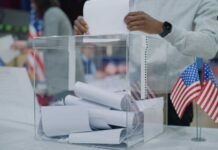
According to the complaint and news reports, the Department of Homeland Security announced in July that it would withhold twenty percent of certain FEMA grants until states adopt specific election practices backed by the administration. To unlock the full funding, states say they must submit plans to move to hand-marked paper ballots instead of electronic systems that rely on bar codes or quick-response codes. They must also agree to conduct manual audits of at least five percent of ballots, reconcile voter participation numbers with votes cast, and compare voter rolls with a federal database to confirm citizenship.
The states further claim the administration is tying this money to immigration enforcement. They say the new conditions require states to cooperate more closely with federal immigration authorities, including sharing voter information and helping identify noncitizens. For many officials, especially in states with large immigrant communities, this raises alarms about mixing emergency preparedness with immigration crackdowns. Whether a reader leans right or left, the idea of Washington linking local disaster funding to a broader agenda feeds the belief that the people’s safety gets used as a bargaining chip.
Legal Fight Centers on Spending Power and Separation of Powers
The lawsuit does more than call the policy unfair; it calls it unconstitutional. The states argue the U.S. Constitution gives them the main power to run elections and gives Congress, not the executive branch, the power of the purse. They say Congress appropriated this money for disaster and security readiness, not to regulate how states design ballots, conduct audits, or check citizenship. In their view, the Department of Homeland Security and FEMA are using grant conditions to rewrite state election laws from the executive branch.
The complaint also claims the new rules violate the Administrative Procedure Act. That law requires federal agencies to follow proper procedures and stay within the authority Congress gave them. The states say the agencies added these conditions without a valid legal basis and without tying them closely to the purpose of the grants. That argument echoes earlier lawsuits where states from both parties challenged federal attempts to link emergency funds to broader immigration cooperation, and some of those policies were blocked by federal courts. For many Americans, this pattern looks like one more example of agencies stretching vague rules to push political goals.
Both Parties Have Used Grant Dollars as a Stick, Fueling Public Distrust
This is not the first time a White House has tried to nudge states by attaching strings to federal money. Previous fights under both Republican and Democratic administrations have used highway funds, education money, and police grants to press states on issues from drinking ages to immigration. What makes this clash so explosive is the type of funding involved. These grants pay for the things people expect government to do first: respond to floods, hurricanes, cyberattacks, and potential terror threats.
Did you know your state's disaster money is being held hostage?
States sue Trump administration, blocking disaster grants tied to voting and immigration mandates. Hundreds of millions in funds are contested in federal court.#FEMA #DHS #Lawsuit #DisasterGrants #Politics #Bre… pic.twitter.com/uqY01qFEVc
— JQJO USA Politics English (@teamjqjo) July 24, 2026
When Washington, D.C., links that kind of basic safety money to hot-button debates over election integrity and immigration, it hits a raw nerve that cuts across party lines. Conservatives worry about federal overreach and unelected officials dictating how states run their elections. Liberals worry about using disaster funds to push immigration crackdowns and about giving the federal government more control over local voting rules. Both sides see the same core problem: powerful officials using life-and-death funding streams as leverage, while regular citizens are left wondering whether their town will have what it needs when the next storm, fire, or attack comes.
Sources:
cbsnews.com, democracydocket.com, spectrumlocalnews.com, reuters.com