
America’s top domestic crime‑fighter is quietly lining up a rare trip into the heart of Russia’s security state, and almost no one is saying why.
Story Snapshot
- FBI Director Kash Patel is reportedly planning a mid‑October trip to Moscow and St. Petersburg hosted by Russia’s security service.
- The visit would be the first by a sitting FBI director to Russia in more than a decade and comes amid deep tensions over Ukraine.
- The White House, Federal Bureau of Investigation, and Department of Justice have not publicly explained the purpose of the trip.
- The secrecy and timing fuel criticism from both right and left that powerful insiders make high‑stakes moves with little public accountability.
What We Know About Patel’s Planned Russia Trip
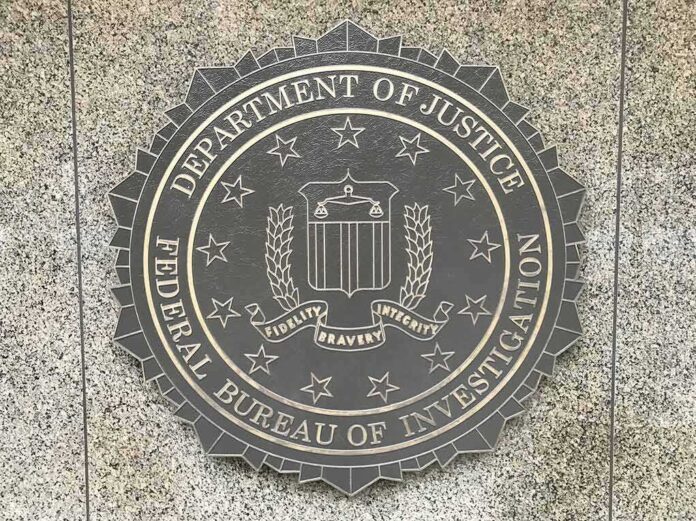
Politico first reported that Federal Bureau of Investigation (FBI) Director Kash Patel is planning a trip to Russia in mid‑October, citing a United States official and another person familiar with the travel plans. The itinerary described in multiple outlets says Patel would visit Moscow and St. Petersburg on October 14 and 15, with Russia’s Federal Security Service expected to act as host. If the trip goes ahead, it would be the first known visit to Russia by a sitting FBI director since 2013.
Follow‑up reporting from Reuters and several United States and foreign outlets repeated the core details: an October trip, stops in Moscow and St. Petersburg, and likely hosting by the Federal Security Service, the successor to the Soviet‑era KGB. The Kremlin’s press secretary, Dmitry Peskov, told Russian media he had “no information whatsoever” about the visit, while adding that such contacts usually happen behind closed doors. That mix of leaks from Washington and silence from Moscow highlights how little is officially confirmed.
Unusual Timing, Secrecy, and Rising Backlash
The reported visit would come at a time when relations between the United States and Russia are deeply strained over the war in Ukraine and alleged Russian cyber and election meddling. According to several summaries of the Politico story, the agenda for Patel’s trip has not been disclosed, and it is unclear whether he will meet Russian President Vladimir Putin or senior Kremlin aides. The White House, FBI, and Department of Justice have declined to comment publicly on the report, leaving Americans with more questions than answers about why this trip is needed now.
Critics across the media landscape are already calling the plan “politically fraught” and questioning its wisdom, given Patel’s long‑running ties to former President Donald Trump and past fights over investigations into Russian interference in United States elections. Commentators note that Patel’s reported travel would be hosted by the very security service many Americans see as an arm of an authoritarian state. For citizens on both the right and the left, this reinforces a familiar worry: powerful officials seem free to cut quiet deals overseas while ordinary people are kept in the dark.
Why This Fuels Public Distrust in Washington
Many Republicans over 40 who backed Trump’s “America First” message already feel burned by years of globalist policies, endless wars, and rising costs at home. Many Democrats of the same age resent cuts to social programs, widening gaps between rich and poor, and what they see as discrimination against minorities. Both groups increasingly agree on one big thing: the federal government does not feel accountable to them anymore. Stories like Patel’s secretive Russia plan fit that shared concern almost too well.
FBI Director Kash Patel to Make Rare Trip to Russia: Report
— Carolann (@Khaleesicorleo) July 23, 2026
Here, an elite official who was never elected is reportedly preparing to meet with leaders in a hostile foreign power, on a mission no one will explain and that may shape security and foreign policy in ways voters will only learn about later. The Kremlin says such visits are normally hidden from public view. That secrecy, plus the fact that the trip would be “rare” even by past standards, suggests a government culture that keeps citizens at arm’s length while key decisions move forward behind closed doors.
Who Kash Patel Is, and Why His Role Raises Eyebrows
Kash Patel became the ninth director of the Federal Bureau of Investigation in February 2025 after earlier roles as a national security prosecutor in the Department of Justice and as a staffer on the House Intelligence Committee. He gained prominence by helping lead Republican‑backed investigations into Russian interference in the 2016 election, work that still divides opinion in Washington. His tenure as FBI director has already sparked controversy over frequent travel and blurred lines between official duties and public appearances.
Some reporting notes that Patel has drawn criticism for using federal resources for trips that mix professional business with high‑profile events, including appearances with celebrities and at major sporting games. That background matters because it colors how many Americans will read news of this possible Russia visit. For people already convinced that there is a “deep state” of insiders who look after each other first, the picture of a controversial FBI director heading to meet Russian security officials, with little public explanation, feels like one more sign that the system serves those at the top before it serves the public.
Open Questions That Still Need Clear Answers
Even the best reporting on Patel’s travel leaves key questions open. The exact purpose of the meetings in Moscow and St. Petersburg is not known. It is unclear whether the trip would focus on counterterrorism, cybercrime, prisoner exchanges, election security, or some mix of issues. It is also not clear whether Patel will sit down with senior Kremlin leaders or remain at the level of security officials. Until senior United States officials address these points, speculation will fill the gap.
For a public already skeptical of both parties and worried about corruption and elite power, the easiest way to ease fears would be simple: honest, detailed explanations before the plane takes off. Instead, people are seeing unnamed leaks, foreign press quotes, and official silence. That pattern matches what many citizens now expect from Washington—high‑stakes moves with low transparency—and helps explain why this single reported trip by the FBI director has touched such a nerve.
Sources:
thegatewaypundit.com, themoscowtimes.com, politico.com, rt.com, jpost.com, latintimes.com, facebook.com, thedailybeast.com, youtube.com, fbi.gov