A fast-food chain once known for its old-school simplicity is now scrambling to cope with a TikTok-fueled teen mob, and the fallout says a lot about where our culture is heading.
Story Snapshot
- In-N-Out has dropped its “Number 67” after a viral teen “6-7” trend flooded stores with disruptive crowds.
- Social media influencers, not customers or communities, are increasingly dictating how businesses operate.
- Employees and regular families paid the price as restaurants struggled with safety, chaos, and overload.
- The fiasco exposes how unrestrained youth culture and Big Tech trends can upend real-world order overnight.
How a Teen Meme Took Down a Secret Menu Item
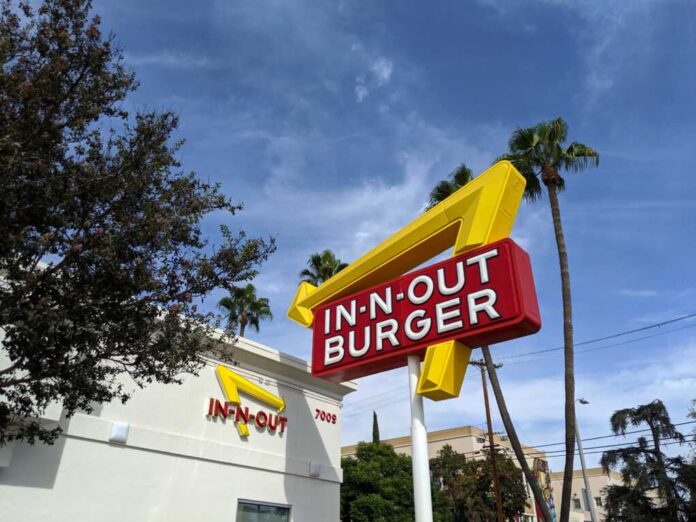
In late 2025, In-N-Out Burger quietly pulled its “Number 67” from the menu after a TikTok and Instagram craze known as the “6-7 trend” triggered a surge of teenagers swarming locations just to film themselves ordering it. What started as a so-called secret-menu challenge quickly turned into mob-style lines, clogged dining rooms, and overwhelmed staff, forcing a company built on consistency and calm efficiency to make an emergency decision to shut the item down entirely.
Early November clips of teens chanting “6-7” at counters spread fast across social media, encouraging followers to flood their local In-N-Out and demand the obscure order number. As the challenge gained scale, stores reported heavy spikes in foot traffic, with bored teens loitering, filming pranks, and treating the restaurants more like a live TikTok set than a place where working families could grab a quick meal. Operations buckled under the pressure, and the trend soon attracted mainstream media attention.
Operational Strain, Safety Concerns, and Everyday Customers
By mid-November, managers were reporting serious strain: long lines dominated by teens filming content, kitchen staff struggling to keep pace, and lobbies that felt more like unsupervised hangouts than restaurants. Corporate leadership ultimately cited “overwhelming demand and safety concerns” when announcing the removal of Number 67. Their move aimed to restore basic order, protect employees from burnout, and give regular customers—parents, workers, seniors—a chance to eat without stepping into a viral stunt in progress.
For frontline employees, the viral rush meant dealing with rude behavior, repeated joke orders, and crowding that made it harder to serve paying customers who simply wanted dinner. Communities near busy locations saw extra traffic and large groups of teens lingering in parking lots after filming their videos, adding pressure on local law enforcement and raising questions about liability if something went wrong. The viral fun for a few translated into stress, longer waits, and a worse experience for many others who never asked to be part of an internet challenge.
Social Media Hype vs. Personal Responsibility
The Number 67 saga highlights a growing problem conservatives have warned about for years: when social media drives behavior, responsibility and respect often disappear. Teenagers, encouraged by influencers chasing views, treated real workers and real businesses like background props in their online content. Instead of parents setting limits and communities expecting basic standards of conduct, Big Tech trends dictated what thousands of kids did with their time—and what one company had to do with its menu.
While In-N-Out’s decision may have been necessary to protect safety and quality, it still represents a loss for customers who genuinely enjoyed the item before the chaos. Many conservatives see in this story a microcosm of larger cultural drift: instant gratification over discipline, viral clout over courtesy, and mob behavior over individual responsibility. When entertainment becomes the highest value, even a beloved burger joint ends up forced into reactive policy changes just to keep the doors running smoothly.
What This Says About Culture, Corporations, and the Road Ahead
The fallout from the 6-7 trend will likely push In-N-Out and other chains to rethink how they handle secret menus and online virality. Companies may clamp down on off-menu codes, add clearer rules about filming, or quietly work with local authorities when crowds get out of hand. That kind of corporate caution is understandable, but it also means fewer organic traditions and more legalistic guardrails, which older customers will notice as yet another erosion of the simple, common-sense America they grew up with.
For conservative readers, the deeper concern is not just a burger number disappearing but the cultural power imbalance on display. A handful of influencers and millions of unsupervised clicks can now distort how businesses operate, how employees are treated, and how public spaces feel. Until families, schools, and policymakers seriously address the impact of unrestrained social media on youth behavior, more small pieces of everyday life—from menus to store hours—will be dictated by the latest online stunt rather than by respect, order, and community values.
Sources:
In-N-Out is removing number 67 from its menu after being … — Independent
In-N-Out is removing number 67 from its menu after being … — AOL
Why Are Teens Saying 6-7? The Reason Behind the Now- … — AOL