
A governor used his official platform to mock a federal commemoration—showing how politics now treats national symbols as props in an endless online feud.
Story Snapshot
- The State Department announced limited-edition U.S. passports for America’s 250th anniversary, featuring President Donald Trump’s image and patriotic elements.
- California Gov. Gavin Newsom’s press office responded with a parody “special driver’s license” post designed to mimic Trump’s online style.
- Reporting says Trump is the first sitting U.S. president to appear on a U.S. passport, making the design historically unusual.
- The exchange is not a policy dispute yet, but it reflects how partisan conflict increasingly plays out through viral satire rather than governance.
What the limited-edition passport is—and why it sparked backlash
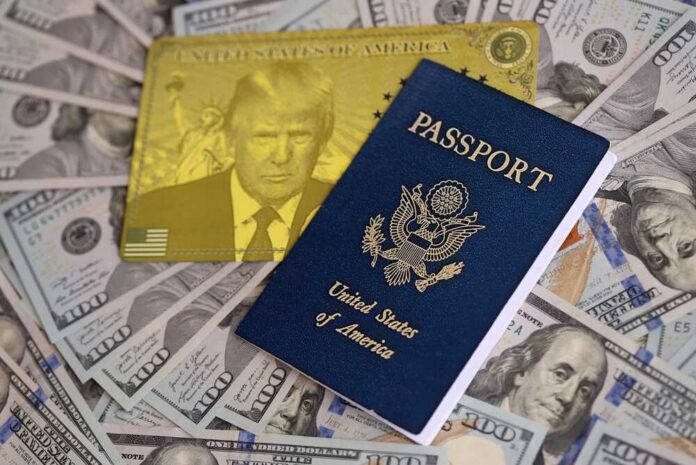
On April 28, 2026, the U.S. State Department announced limited-edition passports tied to the coming 250th anniversary of American independence. Coverage described the design as featuring an American flag background, images of President Trump, scenes of the Founding Fathers at the signing of the Declaration of Independence, excerpts of the Declaration’s text, and Trump’s signature in gold. The rollout is expected to align with summer 2026 national celebrations.
What makes the announcement especially controversial is the precedent. Trump is the first sitting U.S. president to be featured on a U.S. passport. Supporters see a commemorative tribute tied to the 250th anniversary, while critics see a government document drifting toward personal branding. No formal State Department justification beyond the commemoration framing.
Newsom’s parody license post turns a federal decision into a state-level troll
On April 29, 2026, Newsom’s press office posted a satirical image styled like a California driver’s license, featuring the governor’s portrait and text written to imitate Trump’s familiar, capitalized, self-promotional tone. The post claimed California would issue a “very special driver’s license” for the state’s 175th anniversary, promising a “handsome, high-quality photo” of Newsom and joking that it was “the best license ever made.”
Newsom reshared the post from his personal account the same day, amplifying the message beyond a staff joke and into an official political statement. KTVU and other coverage characterized the episode as trolling and satire rather than a serious policy proposal. In practical terms, no evidence suggests California is changing license standards or actually producing a commemorative ID modeled on the passport controversy.
From policy debate to performance politics: why this moment matters
This incident is a small example of a larger trend: politics shifting from legislative fights and administrative oversight to attention-driven social media performance. When major officials treat official symbols—passports, licenses, founding imagery—as punchlines, it can deepen public cynicism that government is more focused on winning the next news cycle than delivering competent services. That frustration cuts across the right and left, even if each side blames different causes.
The Epstein-themed mock passport adds heat but not clarity
Coverage also reported that Newsom’s office shared a separate mock passport image referencing Jeffrey Epstein, a move that widened the controversy beyond simple parody. No evidence of a policy connection between the passport commemoration and that insinuation; it appears designed to provoke and drive engagement. As a result, the episode creates more partisan smoke than factual light, while ensuring the underlying passport decision dominates headlines.
Not to be outdone by the President of the United States, California Gov. Gavin Newsom is once again trolling President Trump by mocking his unveiling of the limited-edition U.S. passport, prominently featuring Trump's image on the document. https://t.co/SbhSzHzNvu
— KTVU (@KTVU) April 29, 2026
The broader question is what Americans should expect from leaders when symbolism collides with governance. If Washington is using patriotic commemorations to showcase current leadership, critics will call it self-serving; if states respond with viral mockery, supporters will call it accountability. Either way, the cycle rewards outrage and punishes seriousness—exactly the dynamic that convinces many voters the “elites” in both parties are playing to the crowd while everyday problems go unresolved.
Sources:
Gavin Newsom mocks Trump passport
Newsom trolls Trump’s unveilling of limited-edition U.S. passport
California governor trolls Trump with new driver’s license