
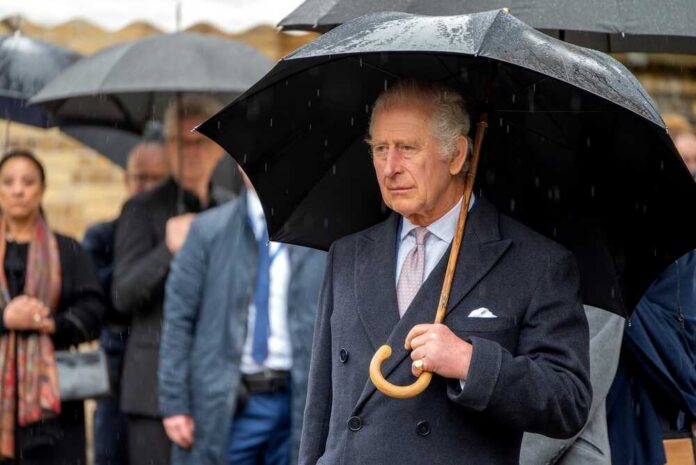
King Charles III used a historic address to Congress to lecture America on climate change and NATO commitments, delivering what many see as a thinly veiled rebuke to President Trump’s America First agenda while our nation still reels from a violent attack on the press just days earlier.
Story Snapshot
- British monarch addressed Congress on April 28, 2026, pushing multilateral climate and NATO policies that clash with Trump’s priorities
- Charles referenced recent White House Correspondents’ Dinner shooting to warn against “discord,” while simultaneously challenging U.S. leadership on alliance commitments
- Speech echoes UK Prime Minister Keir Starmer’s recent criticism of Trump, revealing coordinated pressure from British leadership on American sovereignty
- Analysts interpret address as coded diplomatic attack on Trump’s skepticism of NATO funding and Ukraine involvement
Foreign Monarch Pressures Congress on Alliances
King Charles III delivered his first congressional address as monarch on April 28, 2026, during a four-day U.S. visit that included meetings with President Trump and a state dinner. The speech comes at a time when the Trump administration faces mounting criticism from European allies over NATO funding arrangements and the extent of American involvement in Ukraine. Charles invoked his mother Queen Elizabeth II’s 1991 address, which praised NATO unity following the Cold War, adapting her message to current geopolitical tensions while positioning himself as a steady voice against what he characterized as divisive forces.
Timing Raises Questions About Foreign Interference
The address occurred just two days after a shooting at the White House Correspondents’ Dinner on April 26, which Charles referenced as an attempt to “harm leadership and foment discord.” While offering sympathy for the attack, the King proceeded to advocate for policies that directly contradict the administration’s approach to international commitments. The timing appears calculated to leverage American vulnerability following domestic violence to advance a globalist agenda that many voters explicitly rejected when they elected Trump. This raises legitimate concerns about whether foreign leaders are exploiting moments of national crisis to undermine the elected government’s policy priorities.
NATO Funding Debate Ignores American Taxpayer Burden
Charles praised NATO’s role in supporting Ukraine and invoked the September 11 attacks to emphasize alliance unity, echoing language his mother used regarding the Soviet Union’s collapse. However, this messaging ignores the fundamental issue Trump has repeatedly raised: American taxpayers shoulder a disproportionate share of NATO’s defense costs while European nations fail to meet their own spending commitments. UK Prime Minister Keir Starmer recently called Trump’s comments on Afghanistan “insulting and frankly appalling,” yet British leadership offers no solutions for the financial imbalance that has American families subsidizing European security for decades. The monarch’s appeal to emotion over September 11 sidesteps the legitimate economic concerns of working Americans struggling under inflation and mismanaged federal spending.
The speech also emphasized climate change initiatives, another area where globalist policies have driven up energy costs for American consumers without meaningful environmental results. Charles’s advocacy for renewable energy mandates aligns with the same failed liberal policies that led to skyrocketing utility bills and energy dependence on foreign adversaries. For Americans who remember affordable gasoline and heating costs before the green energy push, a foreign monarch lecturing Congress on climate policy feels like adding insult to injury. The King’s constitutional role supposedly keeps him above politics, yet his “coded” diplomatic pressure on a democratically elected American president reveals how elites in both nations prioritize their shared globalist vision over the concerns of ordinary citizens.
King Charles calls for unity on climate change, Ukraine in congressional speechhttps://t.co/Cafx6ITdvj
— Human Events (@HumanEvents) April 28, 2026
Political analysts characterized the address as a subtle challenge to Trump’s America First stance, with Politico noting the speech’s NATO references as a “coded challenge” that risks being perceived as a direct rebuke. Foreign Policy observed that Charles delivered “pointed messages” praising multilateral institutions while warning against isolationism. What these experts frame as diplomatic nuance, many Americans recognize as foreign interference in domestic policy debates. The monarch’s influence derives from moral authority rather than electoral accountability, allowing him to advocate positions without facing voters who bear the consequences. This dynamic mirrors the frustration both conservatives and progressives feel toward unelected bureaucrats and international bodies that shape American life while remaining insulated from the results of their decisions.
Sources:
Politico: Charles challenges Trump on NATO, Ukraine in speech
Foreign Policy: King Charles speech to Congress on Trump, NATO, Ukraine